
When considering the installation of a corrugated pipe chimney in a basement, ventilation requirements are of utmost importance. As a supplier of Corrugated Pipe Chimneys, I understand the significance of ensuring proper ventilation to guarantee safety, efficiency, and compliance with relevant regulations. In this blog post, I will delve into the key ventilation requirements for using a corrugated pipe chimney in a basement.
Understanding the Basics of Corrugated Pipe Chimneys
Corrugated pipe chimneys are a popular choice for various heating systems due to their flexibility, durability, and ease of installation. They are typically made of stainless steel or other high - quality materials, which can withstand high temperatures and corrosive gases produced by combustion. These chimneys are designed to safely remove flue gases from the heating appliance to the outside environment.
Importance of Ventilation in Basements
Basements are unique environments. They are often enclosed spaces with limited natural ventilation. When a heating appliance is installed in a basement and a corrugated pipe chimney is used, proper ventilation is crucial for several reasons.
First and foremost, ventilation helps to remove harmful combustion by - products such as carbon monoxide (CO), nitrogen oxides (NOx), and particulate matter from the basement. Carbon monoxide is a colorless, odorless gas that can be fatal if inhaled in high concentrations. Adequate ventilation ensures that these gases are diluted and expelled from the basement, reducing the risk of carbon monoxide poisoning and other health hazards.
Secondly, proper ventilation helps to maintain the efficiency of the heating appliance. If the combustion air supply is restricted, the appliance may not burn fuel efficiently, leading to increased energy consumption, higher operating costs, and potential damage to the appliance.
Ventilation Requirements for Corrugated Pipe Chimneys in Basements
1. Combustion Air Supply
The heating appliance connected to the corrugated pipe chimney requires a sufficient supply of combustion air. The amount of combustion air needed depends on the type and size of the appliance. Generally, for every 1,000 BTUs (British Thermal Units) of input rating of the appliance, a certain amount of combustion air is required.
For example, a natural - draft appliance may require 1 square inch of free area for every 3,000 BTUs of input. This air can be supplied either from the inside of the basement or from the outside. If the air is taken from the inside of the basement, it is important to ensure that the basement has enough make - up air to replace the air used for combustion.
If the air is taken from the outside, a dedicated air intake duct should be installed. The intake duct should be sized appropriately based on the appliance's requirements and should be located in a clean, unobstructed area to prevent the intake of debris, snow, or water.
2. Ventilation for Dilution of Flue Gases
In addition to the combustion air supply, the basement needs to be ventilated to dilute and remove any flue gases that may leak from the chimney or the appliance. This can be achieved through general basement ventilation.
One common method is to install a mechanical ventilation system, such as an exhaust fan. The exhaust fan should be sized based on the volume of the basement and the potential amount of flue gas leakage. A general rule of thumb is to provide at least 0.35 air changes per hour for the basement.
Another option is to use natural ventilation through vents or windows. However, natural ventilation may not be sufficient in all cases, especially in tightly - constructed basements or in areas with high humidity or cold weather.
3. Chimney Sizing and Draft
The size of the corrugated pipe chimney is also an important factor in ensuring proper ventilation. The chimney must be sized correctly to provide adequate draft for the efficient removal of flue gases. Draft is the force that causes the flue gases to flow up the chimney and out of the building.
The draft is affected by several factors, including the height of the chimney, the temperature difference between the inside and outside of the chimney, and the friction losses in the chimney. A taller chimney generally provides a stronger draft. However, the chimney must also be properly insulated to maintain the temperature difference and reduce heat loss.
The diameter of the corrugated pipe chimney should be selected based on the appliance's input rating and the type of fuel being burned. An undersized chimney can restrict the flow of flue gases, leading to poor draft, increased back - pressure, and potential safety hazards.
Code Compliance
It is essential to comply with local building codes and regulations when installing a corrugated pipe chimney in a basement. These codes specify the minimum ventilation requirements, chimney sizing, installation methods, and safety standards.
For example, some codes may require the use of a chimney liner, which can improve the draft and protect the chimney from corrosion. Other codes may specify the maximum length and number of bends allowed in the chimney to ensure proper flue gas flow.
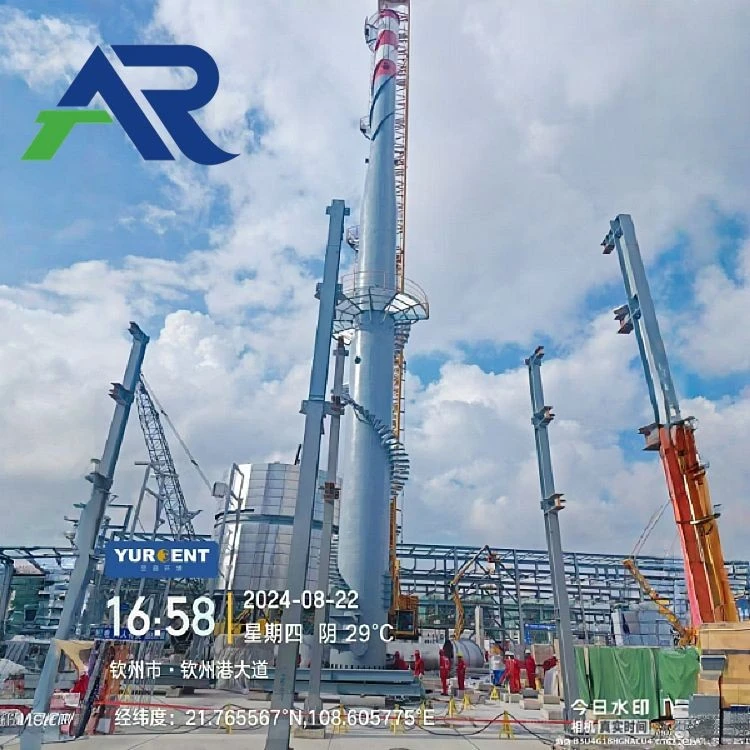
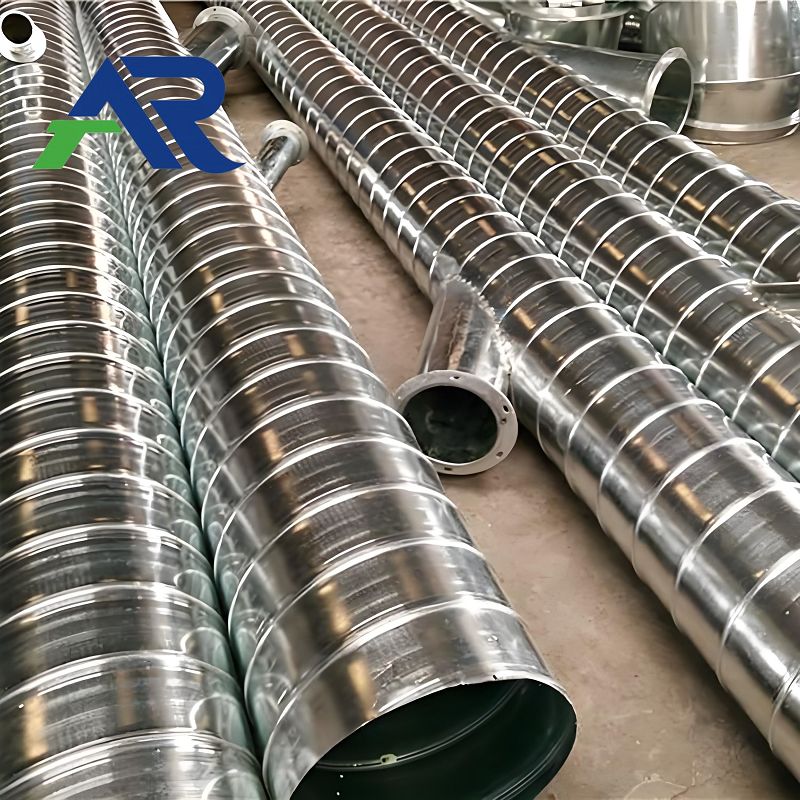
As a [mention your role, e.g., Corrugated Pipe Chimney Supplier], I can provide you with detailed information on code requirements and help you select the appropriate chimney products for your basement installation. We offer a wide range of Factory Built Chimney options that are designed to meet or exceed industry standards. Our Steel And Iron Towers provide a sturdy support structure for the chimney, and our Double - layer Insulation Chimney helps to maintain the draft and improve energy efficiency.
Conclusion
Proper ventilation is crucial when using a corrugated pipe chimney in a basement. By ensuring an adequate supply of combustion air, proper dilution of flue gases, correct chimney sizing and draft, and compliance with local codes, you can ensure the safety and efficiency of your heating system.
If you are considering installing a corrugated pipe chimney in your basement or have any questions about ventilation requirements, please feel free to contact us. Our team of experts is ready to assist you in selecting the right products and providing guidance on proper installation. We look forward to the opportunity to work with you on your next project.
References
- "Residential Building Code Handbook." International Code Council.
- "Chimney Safety Institute of America (CSIA) Standards." CSIA.
- Manufacturer's installation manuals for corrugated pipe chimneys and heating appliances.