

As a supplier of corrugated steel culverts, I've witnessed firsthand the diverse applications and challenges these structures face. One of the most significant concerns in many environments is the impact of saltwater on corrugated steel culverts. In this blog, I'll delve into the various aspects of how saltwater affects these culverts, drawing on my experience and industry knowledge.
Understanding Corrugated Steel Culverts
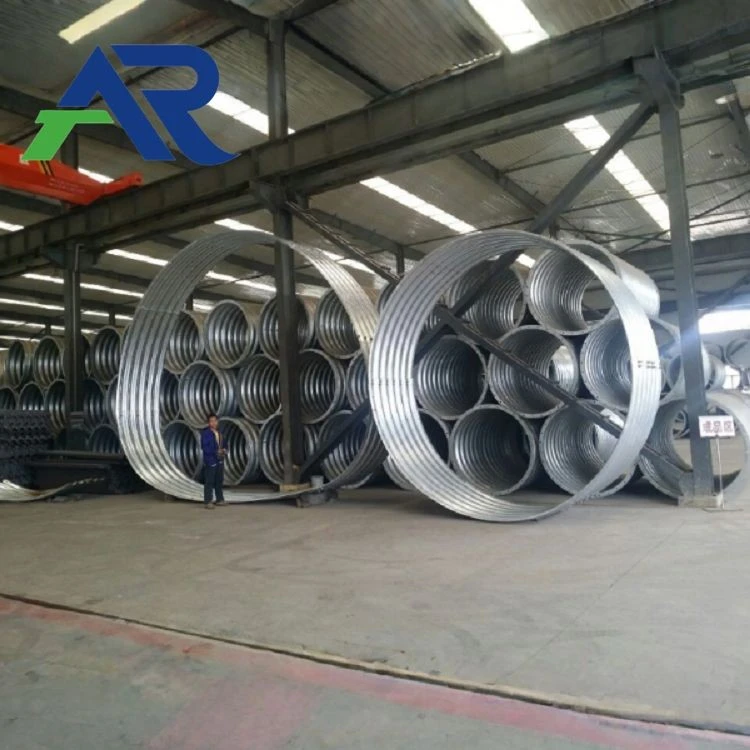
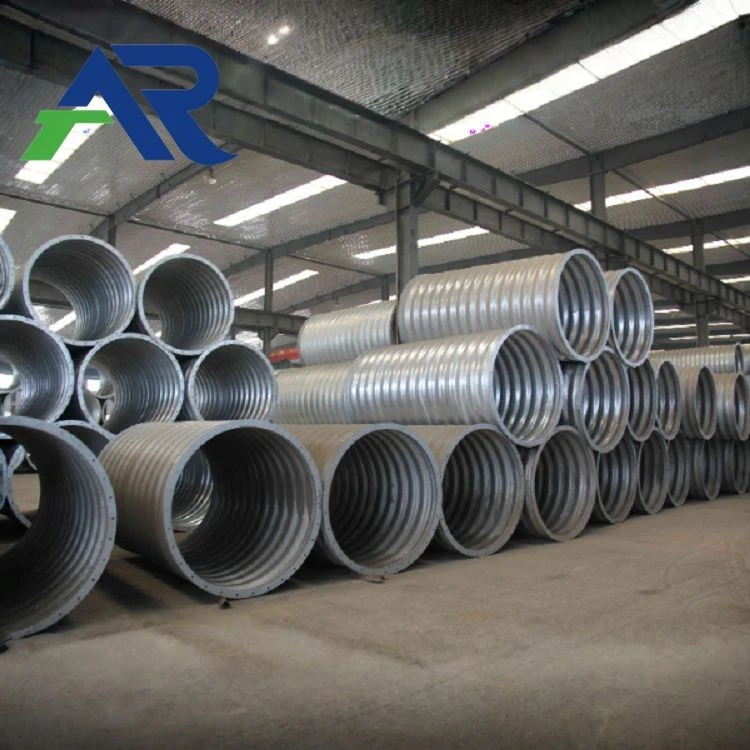
Before discussing the impact of saltwater, it's essential to understand what corrugated steel culverts are. Corrugated steel culverts are tubular structures made from steel sheets with a corrugated pattern. This design provides them with enhanced strength and flexibility, making them suitable for a wide range of applications, including drainage, underpasses, and even as Steel Corrugated Culvert in infrastructure projects. They are known for their durability, ease of installation, and cost - effectiveness.
The Composition of Saltwater and Its Aggressive Nature
Saltwater, typically found in coastal areas, oceans, and some brackish water bodies, contains a complex mixture of dissolved salts, mainly sodium chloride (NaCl), along with other minerals such as magnesium, calcium, and potassium salts. The presence of these salts creates an aggressive environment for metals, including the steel used in corrugated culverts.
Corrosion Mechanisms in Saltwater
The primary concern when corrugated steel culverts come into contact with saltwater is corrosion. Corrosion is an electrochemical process that occurs when a metal reacts with its environment. In the case of steel in saltwater, the following steps are involved:
- Electrolyte Formation: Saltwater acts as an electrolyte, a substance that conducts electricity. When steel is immersed in saltwater, the water allows ions to move freely, creating an electrical circuit.
- Anodic and Cathodic Reactions: At the anode, iron atoms in the steel lose electrons and dissolve into the electrolyte as iron ions (Fe²⁺). The electrons flow through the steel to the cathode, where they react with oxygen and water to form hydroxide ions (OH⁻).
- Rust Formation: The iron ions (Fe²⁺) from the anode react with the hydroxide ions (OH⁻) from the cathode to form iron hydroxide (Fe(OH)₂), which further oxidizes to form iron oxide, commonly known as rust (Fe₂O₃).
The high salt content in saltwater accelerates this corrosion process. Chloride ions (Cl⁻) in the saltwater can break down the protective oxide layer on the steel's surface, allowing for more direct contact between the steel and the electrolyte. This increases the rate of metal dissolution and rust formation.
Structural Integrity and Performance
As corrosion progresses, it can have significant implications for the structural integrity and performance of corrugated steel culverts.
- Wall Thickness Reduction: The corrosion of the steel culvert gradually reduces the wall thickness. A thinner wall is less able to withstand the external loads, such as soil pressure, vehicle loads, and hydrostatic pressure. This can lead to structural deformation, including buckling and collapse.
- Leakage and Seepage: Corroded areas can develop holes and cracks in the culvert wall. This not only compromises the structural integrity but also allows water to leak through, potentially causing erosion of the surrounding soil and flooding in unexpected areas. In drainage applications, this can reduce the efficiency of the culvert system and lead to waterlogging.
- Reduced Service Life: The accelerated corrosion due to saltwater exposure can significantly reduce the service life of corrugated steel culverts. In non - saltwater environments, a well - designed and maintained corrugated steel culvert can last for several decades. However, in saltwater - prone areas, the life expectancy can be substantially shortened without proper protection measures.
Environmental and Operational Considerations
In addition to the structural impacts, the corrosion of corrugated steel culverts in saltwater can also have environmental and operational consequences.
- Environmental Impact: Rust and other corrosion products can be released into the surrounding water and soil. These substances can have a negative impact on aquatic ecosystems, affecting the health of fish, plants, and other organisms. They can also contribute to water pollution and soil degradation.
- Operational Disruptions: If a corrugated steel culvert fails due to corrosion in a critical infrastructure project, such as a roadway or a railway underpass, it can cause significant operational disruptions. Repairing or replacing a failed culvert can be costly and time - consuming, leading to traffic congestion and delays in transportation.
Protective Measures Against Saltwater Corrosion
As a supplier of corrugated steel culverts, I understand the importance of providing solutions to mitigate the impact of saltwater. Here are some common protective measures:
- Coatings: Applying protective coatings to the steel surface is one of the most common methods. Zinc - based coatings, such as galvanizing, provide a sacrificial layer that corrodes preferentially to the steel, protecting it from direct contact with the saltwater. Epoxy coatings can also be used to create a barrier between the steel and the corrosive environment.
- Cathodic Protection: This technique involves connecting the corrugated steel culvert to a more active metal (such as zinc or magnesium) or using an external electrical current to make the steel the cathode in an electrochemical cell. This prevents the steel from losing electrons and corroding.
- Design Considerations: In saltwater - prone areas, the design of the corrugated steel culvert can be optimized to reduce the risk of corrosion. For example, increasing the wall thickness, using corrosion - resistant alloys, and improving the drainage around the culvert to minimize the time the steel is in contact with saltwater.
Specialized Applications and Their Saltwater Challenges
Corrugated steel culverts are used in various specialized applications, each with its own set of challenges when it comes to saltwater exposure.
- Wind Tower Foundation Corrugated Outer Tube: In coastal wind farms, the corrugated outer tubes used for wind tower foundations are exposed to saltwater spray and high - humidity environments. The corrosion of these tubes can compromise the stability of the wind towers, which are subject to high - intensity wind loads. Specialized coatings and cathodic protection systems are often required to ensure their long - term performance.
- Corrugated Pipe for Coal Mine Corridor: In some coal mines near coastal areas, the corrugated pipes used in corridors may be exposed to saltwater seepage. The corrosion of these pipes can not only affect the ventilation and drainage systems in the mine but also pose a safety hazard due to potential structural failures.
Conclusion and Call to Action
In conclusion, the impact of saltwater on corrugated steel culverts is a significant concern that requires careful consideration. As a supplier, I am committed to providing high - quality corrugated steel culverts and effective corrosion protection solutions. Whether you are working on a coastal infrastructure project, a wind farm, or a coal mine, understanding and addressing the challenges of saltwater exposure is crucial for the long - term success of your project.
If you are in need of corrugated steel culverts and want to discuss how to protect them from saltwater corrosion, I invite you to reach out for a procurement discussion. Our team of experts is ready to provide you with the best - suited solutions for your specific needs.
References
- Jones, D. A. (1996). Principles and Prevention of Corrosion. Prentice - Hall.
- Uhlig, H. H., & Revie, R. W. (1985). Corrosion and Corrosion Control: An Introduction to Corrosion Science and Engineering. Wiley.
- ASCE. (2007). Standard Practice for Installation of Corrugated Metal Pipe, Pipe - Arch, and Arches. American Society of Civil Engineers.