

Are there any grounding requirements for tower chimneys?
As a supplier of tower chimneys, I've encountered numerous inquiries from clients regarding the grounding requirements of these structures. Tower chimneys are an integral part of various industrial and commercial facilities, serving to expel exhaust gases, fumes, and other by - products of industrial processes. Ensuring their proper grounding is not only a matter of safety but also of regulatory compliance.
The Importance of Grounding Tower Chimneys
Electrical Safety
One of the primary reasons for grounding tower chimneys is to protect against electrical hazards. Lightning strikes are a significant threat to tall structures like tower chimneys. When a lightning bolt hits a chimney, it can cause a massive electrical surge. Without proper grounding, this surge can damage the chimney structure, the equipment connected to it, and even pose a risk of fire or explosion if there are flammable substances in the vicinity. A well - grounded chimney provides a low - resistance path for the lightning current to safely reach the ground, minimizing the potential for damage.
For example, in an industrial plant where a tower chimney is used to vent flammable gases, a lightning strike on an ungrounded chimney could ignite the gases, leading to a catastrophic explosion. By grounding the chimney, the electrical energy from the lightning is dissipated into the earth, reducing the likelihood of such an event.
Static Electricity Dissipation
Industrial processes often generate static electricity. As exhaust gases flow through the chimney, friction between the gases and the inner walls of the chimney can build up static charges. If these charges are not properly dissipated, they can accumulate to a level where they cause sparks. In a potentially explosive environment, these sparks can trigger an explosion. Grounding the chimney allows the static electricity to be safely conducted away, preventing the build - up of dangerous charges.
Grounding Requirements
Regulatory Standards
Different regions have specific regulatory standards governing the grounding of tower chimneys. In the United States, the National Fire Protection Association (NFPA) provides guidelines on lightning protection systems, which are applicable to tower chimneys. These standards specify the minimum requirements for grounding electrodes, conductors, and bonding.
For instance, NFPA 780 requires that grounding electrodes be installed at a sufficient depth and distance from the chimney to ensure effective grounding. The conductors used to connect the chimney to the grounding electrodes must also meet specific conductivity and durability requirements.
In Europe, the International Electrotechnical Commission (IEC) and national standards also set out similar requirements for the grounding of tall structures, including tower chimneys. Compliance with these standards is not only a legal obligation but also a best practice for ensuring the safety of the chimney and the surrounding area.
Grounding System Design
The design of the grounding system for a tower chimney depends on several factors, such as the height of the chimney, the type of materials used in its construction, and the surrounding soil conditions.
The grounding electrodes are a crucial component of the system. Common types of grounding electrodes include ground rods, ground plates, and concrete - encased electrodes. Ground rods are typically made of copper - clad steel or stainless steel and are driven into the ground to a sufficient depth. The number and spacing of the ground rods depend on the soil resistivity. In areas with high soil resistivity, more ground rods may be required to achieve a low - resistance grounding path.
The conductors used to connect the chimney to the grounding electrodes must be properly sized to carry the expected electrical current. They should also be protected from physical damage and corrosion. For example, in a corrosive industrial environment, the conductors may need to be coated or made of corrosion - resistant materials.
Types of Tower Chimneys and Their Grounding Considerations
Titanium Steel Composite Plate Tower Chimney
Titanium Steel Composite Plate Tower Chimney offer several advantages, such as high corrosion resistance and strength. However, their grounding requirements need to take into account the unique properties of the composite materials. The titanium layer may have different electrical conductivity characteristics compared to steel. Therefore, when designing the grounding system, it is essential to ensure that the conductors are properly bonded to both the titanium and steel layers to provide a continuous grounding path.
Fiberglass Tower Chimney
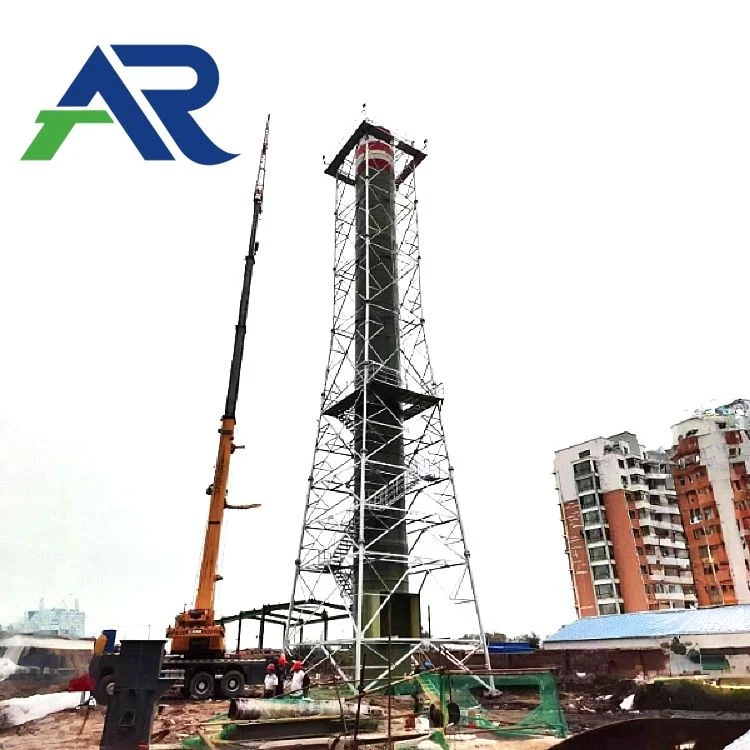
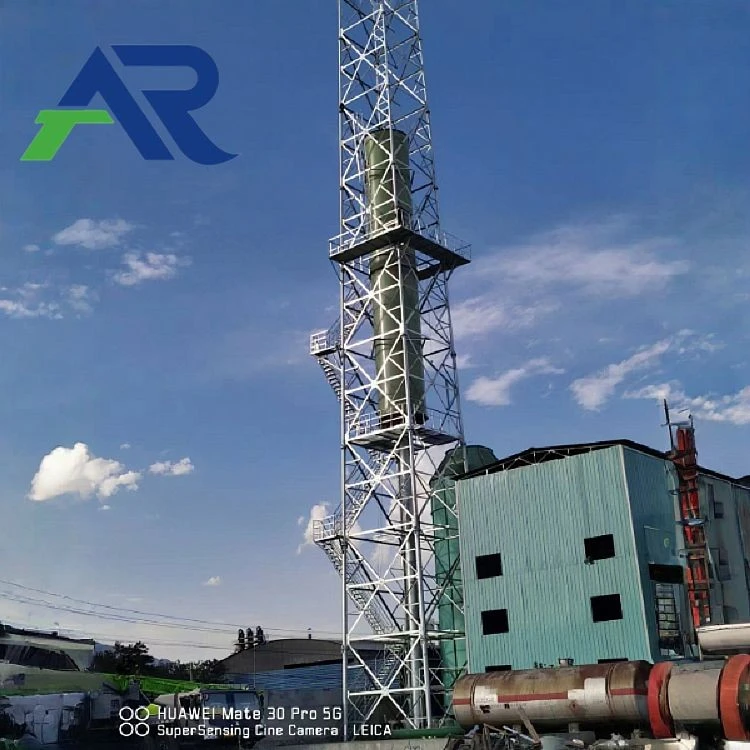
Fiberglass Tower Chimney are lightweight and corrosion - resistant. However, fiberglass is an insulator, which means that additional measures are needed to ensure proper grounding. A conductive mesh or coating may need to be applied to the outer surface of the chimney to provide a path for electrical charges to reach the grounding system.
Installation and Maintenance of Grounding Systems
Installation
Proper installation of the grounding system is crucial for its effectiveness. The grounding electrodes should be installed according to the design specifications, ensuring that they are at the correct depth and spacing. The conductors should be securely connected to the chimney and the grounding electrodes, and all connections should be properly insulated to prevent electrical leakage.
During the installation process, it is also important to conduct electrical tests to verify the integrity of the grounding system. These tests can include measuring the ground resistance to ensure that it meets the required standards.
Maintenance
Regular maintenance of the grounding system is necessary to ensure its continued effectiveness. Over time, grounding electrodes can corrode, and conductors can become damaged. Inspections should be carried out periodically to check for signs of corrosion, physical damage, or loose connections.
If any issues are detected, they should be addressed immediately. For example, corroded grounding electrodes may need to be replaced, and damaged conductors should be repaired or replaced.
Conclusion
In conclusion, there are indeed significant grounding requirements for tower chimneys. These requirements are essential for ensuring electrical safety, dissipating static electricity, and complying with regulatory standards. As a tower chimney supplier, we understand the importance of providing our clients with not only high - quality chimneys but also guidance on the proper grounding of these structures.
If you are in the market for a tower chimney and have questions about grounding requirements or need assistance with the design and installation of a grounding system, we are here to help. Our team of experts can provide you with comprehensive solutions tailored to your specific needs. Contact us to start a discussion about your tower chimney project and how we can ensure its safety and compliance through proper grounding.
References
- National Fire Protection Association (NFPA). NFPA 780: Standard for the Installation of Lightning Protection Systems.
- International Electrotechnical Commission (IEC). Relevant standards for lightning protection of structures.