

What is the compatibility of corrugated pipes in coal mine corridors with other pipeline materials?
As a supplier of corrugated pipes for coal mine corridors, I've delved deep into the world of pipeline materials and their interactions. Corrugated pipes play a crucial role in coal mine corridors, providing essential functions such as drainage, ventilation, and cable protection. However, understanding their compatibility with other pipeline materials is vital for ensuring the efficiency, safety, and longevity of the overall pipeline system in the challenging coal mine environment.
Compatibility in Physical and Mechanical Properties
One of the primary aspects to consider is the physical and mechanical compatibility between corrugated pipes and other pipeline materials. Coal mine corridors are subject to various stresses, including ground movement, vibration, and impact. Corrugated pipes, typically made of steel or high - density polyethylene (HDPE), have unique structural characteristics. The corrugated design provides excellent flexibility and resistance to deformation.
When paired with rigid materials like concrete pipes, the difference in flexibility can lead to issues. Concrete pipes are highly rigid and have low tolerance for ground movement. If corrugated pipes are connected to concrete pipes in an area prone to ground subsidence, the corrugated pipes may be able to absorb some of the movement, but the rigid concrete pipes may crack or break. On the other hand, when combined with other flexible materials such as rubber hoses, the corrugated pipes can work in harmony. Rubber hoses can also adapt to movement, and they can be easily connected to corrugated pipes using appropriate couplings.
In terms of strength, corrugated steel pipes have high tensile and compressive strength. When used in conjunction with PVC pipes, which are relatively weaker, care must be taken. For example, if there is a sudden pressure surge in the pipeline system, the PVC pipes may fail while the corrugated steel pipes remain intact. This could lead to leakage and potential safety hazards. Therefore, proper sizing and reinforcement are necessary when combining materials with different strength levels.
Chemical Compatibility
The coal mine environment is rich in various chemicals, including sulfur compounds, heavy metals, and acidic or alkaline substances. These chemicals can have a significant impact on the compatibility of pipeline materials.
Corrugated steel pipes are susceptible to corrosion in the presence of moisture and certain chemicals. If they are in contact with materials that release corrosive substances, such as some types of plastic pipes that may leach out additives under certain conditions, the corrosion rate of the steel pipes can increase. HDPE corrugated pipes, on the other hand, are highly resistant to chemical corrosion. They can be paired with other chemically resistant materials like fiberglass pipes without significant chemical reactions.
However, when HDPE pipes are in contact with some solvents or oils that are present in the coal mine, they may experience swelling or degradation. Therefore, it is essential to ensure that all pipeline materials are chemically stable in the specific coal mine environment. If there are doubts about chemical compatibility, laboratory tests can be conducted to assess the long - term effects of chemical exposure on the combined pipeline materials.
Compatibility in Installation and Connection
The installation process is another critical factor in determining the compatibility of corrugated pipes with other materials. Corrugated pipes often have specific installation requirements due to their shape and structure. For example, they may require special bedding materials to ensure proper support and alignment.
When connecting corrugated pipes to other types of pipes, the connection method must be carefully considered. Some connection methods, such as flanged connections, are suitable for both corrugated steel pipes and other rigid pipes like steel or cast - iron pipes. However, when connecting to flexible materials, such as rubber or PVC pipes, different connection techniques, like sleeve couplings or compression fittings, may be more appropriate.
The ease of installation also affects compatibility. If the installation of one type of pipe requires complex procedures that are not compatible with the installation process of other pipes in the system, it can lead to delays and increased costs. For instance, if corrugated pipes need to be installed in a narrow coal mine corridor where large - scale equipment for installing concrete pipes cannot be used, alternative installation methods or materials may need to be considered.
Compatibility in Flow and Hydraulic Performance
The flow characteristics of pipeline materials are essential for the efficient operation of the coal mine pipeline system. Corrugated pipes have a unique internal surface due to their corrugated design. This can cause some degree of turbulence in the fluid flow, which may affect the overall hydraulic performance of the system.
When combined with smooth - walled pipes, such as PVC or steel pipes with a smooth interior, the change in flow characteristics at the connection point needs to be considered. The sudden transition from a smooth - walled pipe to a corrugated pipe can cause flow disturbances, leading to pressure drops and reduced flow efficiency. To mitigate this, transition pieces or adapters can be used to gradually change the flow conditions.
In addition, the roughness coefficient of different pipeline materials affects the frictional resistance to flow. Corrugated pipes generally have a higher roughness coefficient compared to smooth - walled pipes. If the system is designed based on the flow characteristics of smooth - walled pipes and then corrugated pipes are introduced, the overall flow rate and pressure distribution in the system may change. Therefore, hydraulic calculations must be adjusted to account for the presence of corrugated pipes and their compatibility with other materials.
Our Corrugated Pipe Solutions and Compatibility Considerations
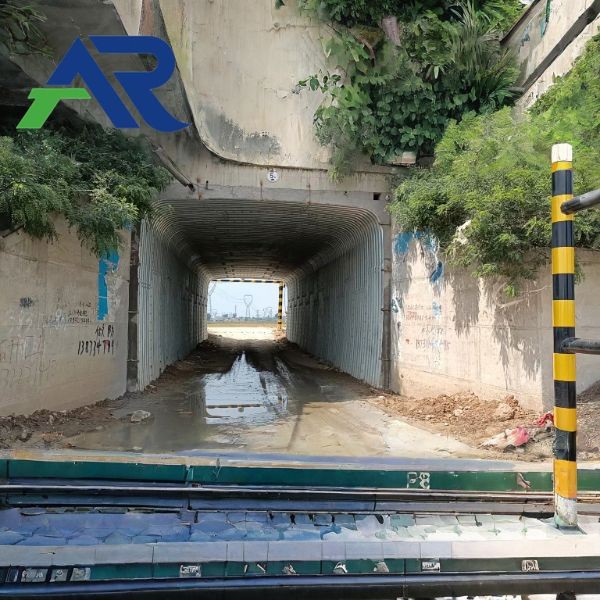
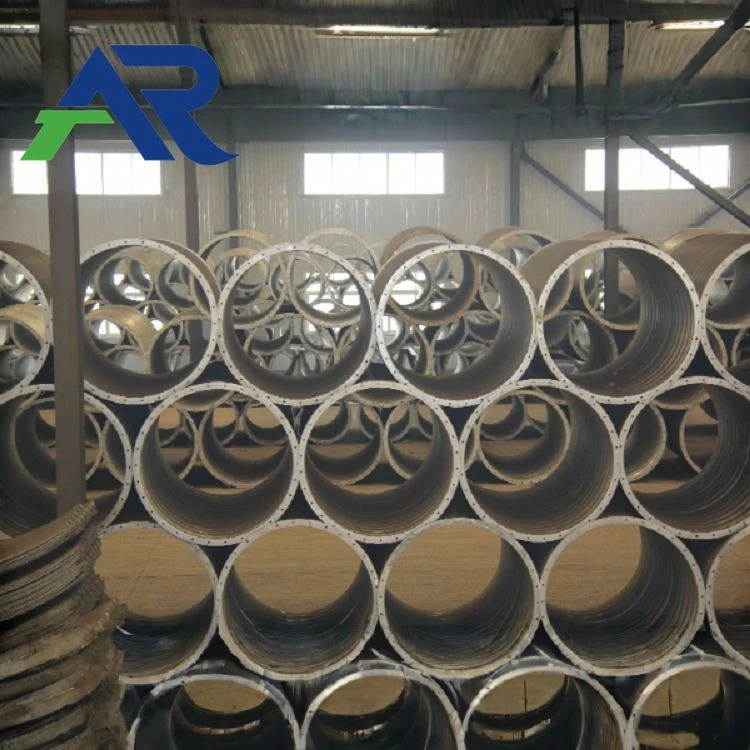
As a supplier of corrugated pipes for coal mine corridors, we offer a wide range of products, including Wind Tower Foundation Corrugated Outer Tube, Steel Corrugated Culvert, and Bridge Culvert Steel Corrugated Culvert. We understand the importance of compatibility in coal mine pipeline systems.
Our corrugated steel pipes are manufactured with high - quality steel and advanced production techniques to ensure excellent physical and mechanical properties. We also offer HDPE corrugated pipes that are chemically resistant and flexible. When working with our customers, we take into account the specific requirements of their coal mine projects, including the existing pipeline materials and the environmental conditions.
We provide technical support to help our customers select the most compatible pipeline materials and connection methods. Our team of experts can conduct on - site inspections and hydraulic calculations to ensure that the corrugated pipes are integrated seamlessly into the overall pipeline system.
Conclusion and Call to Action
In conclusion, the compatibility of corrugated pipes in coal mine corridors with other pipeline materials is a complex issue that involves physical, mechanical, chemical, installation, and hydraulic aspects. By carefully considering these factors, coal mine operators can ensure the efficient, safe, and long - lasting operation of their pipeline systems.
If you are in the coal mining industry and are looking for high - quality corrugated pipes and professional advice on pipeline material compatibility, we are here to help. Our team of experts can provide customized solutions based on your specific needs. Contact us today to start a procurement discussion and find the best pipeline solutions for your coal mine corridors.
References
- ASME B31.4 - 2016, Pipeline Transportation Systems for Liquid Hydrocarbons and Other Liquids.
- ASTM D3034 - 17, Standard Specification for Corrugated Polyethylene (PE) Pipe, Dual - Wall Structure.
- ISO 21916:2002, Petroleum and natural gas industries - Pipeline transportation systems - External corrosion control of buried or submerged steel pipelines.