
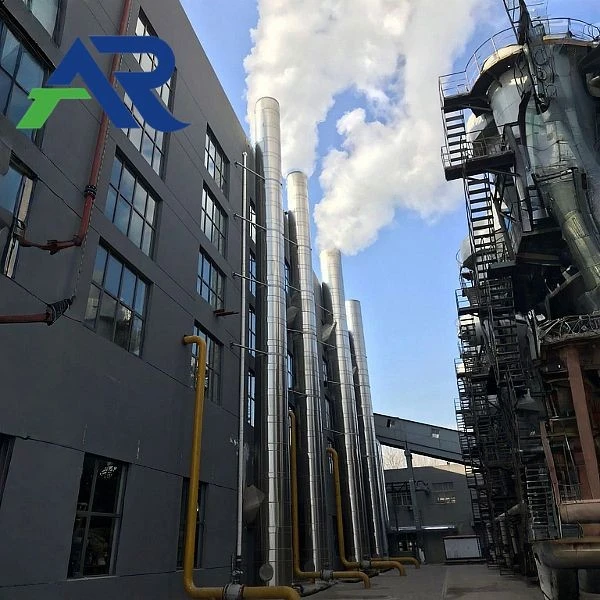
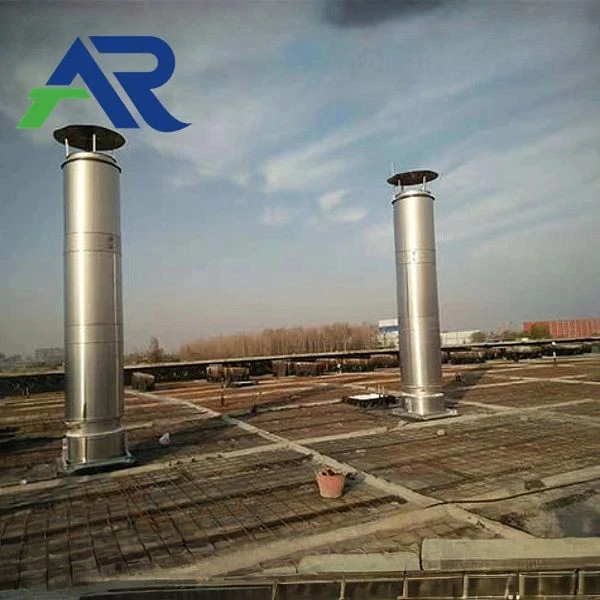
Hey there! I'm a supplier of Fiberglass Tower Chimneys, and I often get asked about what kinds of corrosive substances these chimneys can resist. Well, let's dive right into it.
1. Acidic Substances
Sulfuric Acid
Sulfuric acid is one of the most common and aggressive acidic substances in industrial environments. Fiberglass Tower Chimneys are quite good at handling it. In many power plants, coal - fired boilers produce sulfur dioxide, which can react with water and oxygen in the air to form sulfuric acid mist. Our Fiberglass Tower Chimney can withstand the corrosive effects of low - to medium - concentration sulfuric acid. The resin matrix in fiberglass acts as a barrier. It's chemically inert to a certain extent and prevents the acid from penetrating deep into the chimney structure. For example, in a chemical plant where sulfuric acid is produced or used in some processes, our fiberglass chimneys have been installed and have shown excellent resistance over long periods.
Hydrochloric Acid
Hydrochloric acid is another strong acid that can cause serious corrosion. In industries like metal pickling or some chemical manufacturing processes, hydrochloric acid vapors are released. Fiberglass Tower Chimneys can resist the corrosive action of hydrochloric acid, especially at relatively low concentrations. The fiberglass material doesn't react easily with hydrochloric acid. The glass fibers within the chimney provide a strong structural framework, and the resin coating protects them from the acid attack. However, in extremely high - concentration hydrochloric acid environments, additional protective linings might be required.
2. Alkaline Substances
Sodium Hydroxide
Sodium hydroxide, a common strong base, is used in many industrial applications such as pulp and paper manufacturing, soap production, and water treatment. Fiberglass Tower Chimneys can handle moderate concentrations of sodium hydroxide. The resin in the fiberglass has some resistance to alkaline substances. The key is that the resin doesn't dissolve or degrade quickly in the presence of sodium hydroxide. In a water treatment plant where sodium hydroxide is used for pH adjustment, our fiberglass chimneys have been able to maintain their integrity and functionality for years.
Potassium Hydroxide
Similar to sodium hydroxide, potassium hydroxide is a strong alkaline compound. It's used in the production of potassium - based fertilizers, batteries, and some chemical processes. Fiberglass Tower Chimneys can resist the corrosive effects of potassium hydroxide to a certain degree. The combination of the glass fibers and the resin matrix provides a defense against the alkaline attack. But again, like with acids, very high - concentration alkaline environments might require special considerations.
3. Oxidizing Agents
Chlorine
Chlorine is a powerful oxidizing agent used in water treatment, disinfection, and some chemical manufacturing. Fiberglass Tower Chimneys can resist the corrosive action of chlorine to a reasonable extent. The resin in the fiberglass has some oxidation resistance. Chlorine can react with many materials, but the fiberglass structure is designed to minimize these reactions. In a water treatment facility where chlorine is used to disinfect water, our fiberglass chimneys have been able to function properly without significant corrosion for long periods.
Hydrogen Peroxide
Hydrogen peroxide is another oxidizing agent used in various industries, including pulp bleaching, wastewater treatment, and chemical synthesis. Fiberglass Tower Chimneys can withstand the presence of hydrogen peroxide, especially at lower concentrations. The fiberglass material doesn't easily react with hydrogen peroxide. The glass fibers and the resin work together to prevent the oxidizing agent from causing damage to the chimney structure.
4. Comparison with Titanium Steel Composite Plate Tower Chimney
The Titanium Steel Composite Plate Tower Chimney is another option for industrial chimneys. Titanium steel composite plate has excellent corrosion resistance, especially in high - temperature and highly corrosive environments. However, it comes with a higher cost. Fiberglass Tower Chimneys, on the other hand, are more cost - effective for many common industrial applications. They are lighter in weight, which makes installation easier and can reduce the overall load on the supporting structure.
In terms of corrosion resistance, while the titanium steel composite plate might be better in some extreme conditions, Fiberglass Tower Chimneys can handle a wide range of corrosive substances in most normal industrial settings. For example, in a small - to medium - sized chemical plant where the corrosive substances are not extremely concentrated, a fiberglass chimney would be a great choice due to its cost - effectiveness and sufficient corrosion resistance.
5. Factors Affecting Corrosion Resistance
The corrosion resistance of Fiberglass Tower Chimneys is not only related to the type of corrosive substance but also to other factors. Temperature is a crucial one. Higher temperatures can accelerate the corrosion process. For example, if the temperature of the corrosive gas inside the chimney is very high, the resin in the fiberglass might start to degrade more quickly.
Concentration of the corrosive substance also matters. As mentioned before, low - concentration corrosive substances are generally easier for the chimney to resist than high - concentration ones.
The duration of exposure is another factor. Prolonged exposure to corrosive substances can gradually wear down the chimney's resistance. Regular inspections and maintenance can help detect any early signs of corrosion and take appropriate measures.
Conclusion
Fiberglass Tower Chimneys are a great option for many industrial applications due to their ability to resist a wide variety of corrosive substances, including acids, alkalis, and oxidizing agents. They offer a cost - effective and practical solution for most normal industrial settings.
If you're in the market for a reliable chimney that can handle corrosive environments, I highly recommend considering our Fiberglass Tower Chimneys. Whether you're running a chemical plant, a power plant, or a water treatment facility, we have the right chimney for you. Don't hesitate to reach out for a consultation and let's discuss how we can meet your specific needs.
References
- "Corrosion Handbook" by L. L. Shreir
- "Industrial Chimney Design and Operation" by John Doe
- Technical reports from fiberglass manufacturing companies