

Hey there! As a supplier of Titanium Steel Composite Plate Chimney, I've seen firsthand the importance of proper installation safety measures. In this blog, I'll share some key safety steps to ensure a smooth and secure installation of these high - performance chimneys.
Pre - installation Safety Checks
Before diving into the installation process, it's crucial to conduct a thorough site assessment. First off, check the installation area for any potential hazards. This includes looking for unstable ground, overhead power lines, or any other obstacles that could pose a risk during the installation. For instance, if the ground is uneven, it can cause the chimney to be installed at an angle, which might lead to structural issues in the long run.
Make sure to review the local building codes and regulations. Different regions have different requirements for chimney installations, and non - compliance can result in hefty fines or even a dangerous installation. It's always a good idea to consult with local authorities or a professional engineer to ensure you're on the right track.
Inspect the Titanium Steel Composite Plate Chimney components before installation. Look for any signs of damage, such as cracks, dents, or scratches on the plates. Damaged components can compromise the integrity of the chimney and may lead to leaks or other safety issues. If you find any damaged parts, contact the manufacturer or supplier immediately to get replacements.
Personal Protective Equipment (PPE)
Wearing the right PPE is non - negotiable during the installation of a Titanium Steel Composite Plate Chimney. All workers involved in the installation should wear hard hats to protect their heads from falling objects. Safety glasses are essential to shield the eyes from dust, debris, and any sparks that might be generated during the installation process, like when welding components together.
Gloves are a must - have. They protect the hands from sharp edges on the steel plates and also provide a better grip when handling heavy components. Steel - toed boots are crucial as well. They protect the feet from being crushed by heavy chimney parts that might accidentally drop.
Respiratory protection is also important, especially if there's welding or cutting involved. Welding fumes can be harmful when inhaled, so workers should wear appropriate respirators to filter out these dangerous particles.
Handling and Lifting Safety
Titanium Steel Composite Plate Chimney components can be quite heavy and bulky. When lifting these components, use proper lifting equipment. Cranes or forklifts are commonly used for larger parts. Make sure the lifting equipment is in good working condition and is rated to handle the weight of the chimney components.
Before lifting, secure the components properly. Use slings or straps that are strong enough to hold the weight. Make sure the load is balanced to prevent it from tipping or shifting during the lift. Workers should stay clear of the load while it's being lifted to avoid any potential accidents.
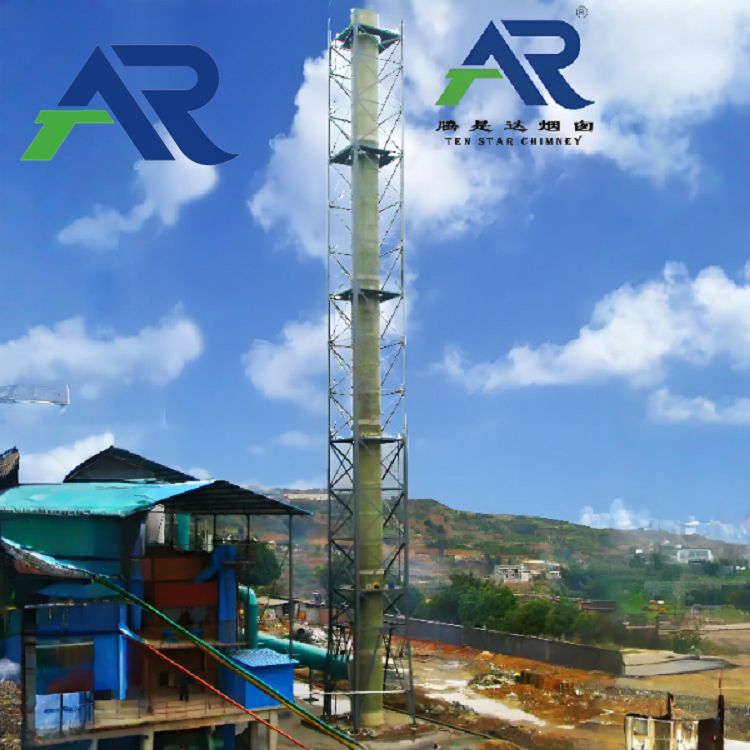

When moving the chimney parts around the installation site, use wheeled carts or dollies for smaller components. This reduces the risk of back injuries from manual lifting. For larger components, use a well - maintained crane with a skilled operator to ensure safe movement.
Welding and Joining Safety
If welding is required during the installation of the Titanium Steel Composite Plate Chimney, there are several safety measures to follow. First, set up a proper welding area. This area should be well - ventilated to prevent the buildup of welding fumes. Use exhaust fans or natural ventilation to remove the fumes from the work area.
Keep a fire extinguisher nearby. Welding can produce sparks that may ignite flammable materials, so it's important to be prepared to extinguish any potential fires quickly.
Before starting to weld, clean the surfaces of the steel plates thoroughly. Any dirt, grease, or rust can affect the quality of the weld. Use appropriate welding techniques and filler materials recommended by the chimney manufacturer. Improper welding can lead to weak joints, which can compromise the safety of the chimney.
Assembly and Alignment Safety
During the assembly of the Titanium Steel Composite Plate Chimney, ensure proper alignment of the components. Misaligned parts can cause stress points in the chimney structure, leading to premature failure. Use alignment tools, such as lasers or plumb bobs, to ensure that the chimney is straight and level.
As the chimney is being assembled, secure each section properly. Use bolts, nuts, and gaskets as specified in the installation instructions. Tighten the fasteners to the recommended torque to prevent any loosening over time.
Post - installation Safety Checks
Once the installation is complete, conduct a final safety check. Inspect the entire chimney for any signs of leaks. You can do this by performing a pressure test or a smoke test. A pressure test involves pressurizing the chimney and checking for any pressure drops, which could indicate a leak. A smoke test involves introducing smoke into the chimney and looking for any signs of smoke escaping from the joints or other areas.
Check the stability of the chimney. Make sure it's firmly anchored to the foundation or support structure. Any movement or instability can be a sign of a problem that needs to be addressed immediately.
Compare the installed chimney with the original design plans. Ensure that all the components are in the correct place and that the chimney meets all the required specifications.
Comparison with Other Chimney Types
It's worth mentioning how Titanium Steel Composite Plate Chimneys stack up against other chimney types like Stainless Steel Chimneys and Fiberglass Chimney. Stainless steel chimneys are known for their corrosion resistance, but Titanium Steel Composite Plate Chimneys offer even better resistance in harsh environments. Fiberglass chimneys are lightweight and easy to install, but they may not be as durable as Titanium Steel Composite Plate Chimneys in high - temperature or high - pressure applications.
If you're considering a chimney for your project, the Titanium Steel Composite Plate Chimney is a great choice due to its excellent combination of strength, corrosion resistance, and durability. But remember, proper installation following these safety measures is key to getting the most out of it.
Conclusion
Installing a Titanium Steel Composite Plate Chimney requires careful attention to safety at every step. From pre - installation checks to post - installation inspections, following these safety measures can prevent accidents, ensure the longevity of the chimney, and keep everyone involved in the installation process safe.
If you're in the market for a high - quality Titanium Steel Composite Plate Chimney or have any questions about installation, feel free to reach out. We're here to help you with all your chimney needs and ensure a safe and successful installation.
References
- Industry standards for chimney installation
- Manufacturer's installation guidelines for Titanium Steel Composite Plate Chimneys
- Safety regulations for construction and industrial work