

As a supplier of cluster chimneys, I've been in the industry long enough to understand the diverse concerns that potential clients have. One question that often comes up is, "Are there any noise issues associated with a cluster chimney?" In this blog post, I'll delve into this topic, exploring the factors that can lead to noise, how to mitigate it, and why it's essential to choose the right cluster chimney for your needs.
Understanding Cluster Chimneys
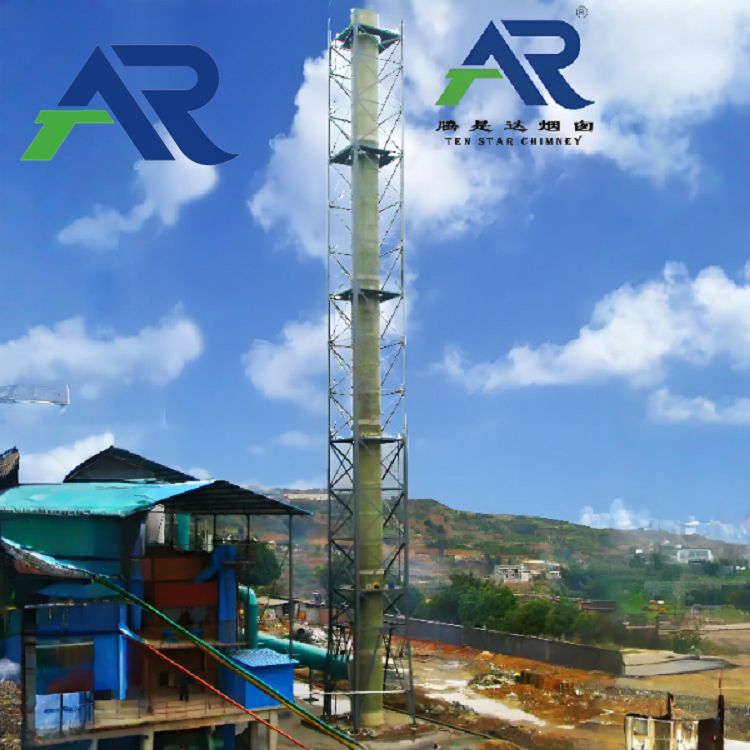
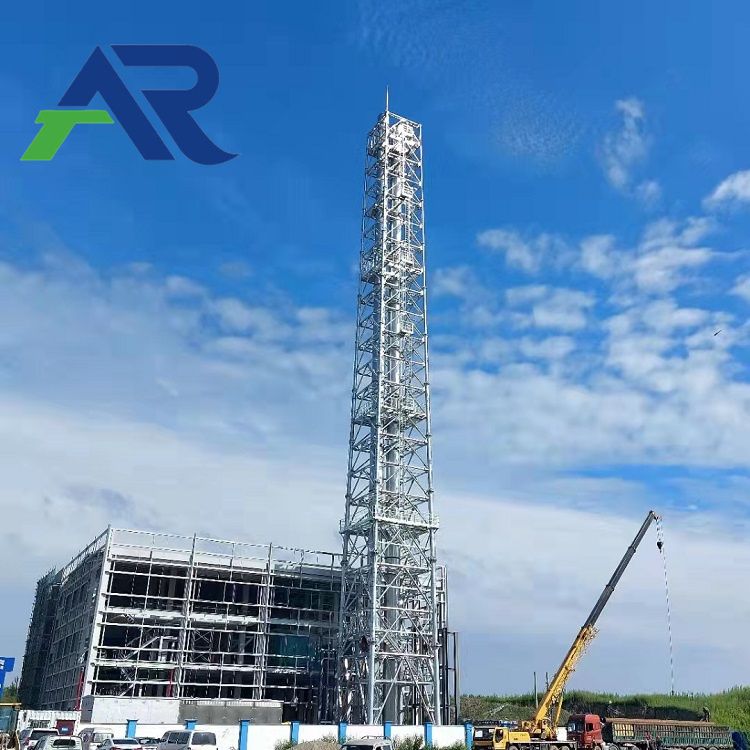
Before we dive into the noise issues, let's briefly understand what cluster chimneys are. Cluster chimneys are a group of individual chimneys bundled together within a single structure. They are commonly used in industrial settings, power plants, and large commercial buildings to exhaust flue gases efficiently. These chimneys come in various materials, each with its own set of advantages and characteristics. For instance, we offer Fiberglass Chimney, Titanium Steel Composite Plate Chimney, and Stainless Steel Chimneys.
Potential Noise Sources in Cluster Chimneys
Several factors can contribute to noise in cluster chimneys. Understanding these sources is crucial for effectively addressing and preventing noise issues.
1. Airflow and Turbulence
The movement of air and flue gases through the chimney is one of the primary sources of noise. When the airflow is turbulent, it can create a whistling or roaring sound. Turbulence can occur due to irregularities in the chimney's interior surface, sudden changes in the chimney's cross - sectional area, or the presence of obstacles within the chimney. For example, if the chimney is not designed with a smooth internal finish, the air will encounter resistance, leading to eddies and increased noise levels.
2. Structural Vibrations
Cluster chimneys are subject to various forces, including wind loads and the vibration caused by the machinery connected to them. If the chimney structure is not properly designed or supported, these forces can cause the chimney to vibrate. Structural vibrations can produce a humming or rattling noise. In some cases, resonance can occur when the frequency of the external forces matches the natural frequency of the chimney structure, amplifying the vibrations and the resulting noise.
3. Combustion Processes
In industrial applications, the combustion of fuels within the connected equipment can also generate noise. The rapid expansion of gases during combustion creates pressure waves that can propagate through the chimney. If the combustion process is not well - controlled, it can lead to uneven pressure distribution and increased noise levels. For example, incomplete combustion or improper fuel - air mixing can result in louder and more erratic noise.
Impact of Noise Issues
Noise from cluster chimneys can have several negative impacts. Firstly, it can be a nuisance to the nearby residents and workers. Prolonged exposure to high - level noise can cause hearing loss, stress, and sleep disturbances. In an industrial setting, excessive noise can also interfere with communication between workers, increasing the risk of accidents.
From a regulatory perspective, many regions have strict noise pollution regulations. If a cluster chimney generates excessive noise, it may lead to non - compliance issues, resulting in fines and legal problems for the facility owner.
Mitigating Noise Issues in Cluster Chimneys
As a supplier, we understand the importance of providing solutions to mitigate noise issues. Here are some strategies that can be employed:
1. Aerodynamic Design
A well - designed chimney can minimize airflow turbulence. This includes using a smooth internal surface finish, gradual changes in the chimney's cross - sectional area, and eliminating any unnecessary obstacles. Computational fluid dynamics (CFD) analysis can be used during the design phase to optimize the airflow and reduce noise. For example, by carefully shaping the chimney inlet and outlet, we can ensure a more laminar airflow, which is quieter.
2. Structural Reinforcement
To prevent structural vibrations, proper structural design and reinforcement are essential. This may involve using additional bracing, dampers, or shock absorbers. By increasing the stiffness and damping of the chimney structure, we can reduce the amplitude of vibrations and the resulting noise. For example, tuned mass dampers can be installed on the chimney to counteract the vibrations caused by external forces.
3. Combustion Optimization
In industrial applications, optimizing the combustion process can significantly reduce noise. This includes ensuring proper fuel - air mixing, maintaining the correct combustion temperature, and using advanced combustion control systems. By improving the combustion efficiency, we can reduce the pressure fluctuations and noise generated during the combustion process.
4. Noise Insulation
Applying noise insulation materials to the chimney can also help reduce the noise transmitted to the surrounding environment. These materials can absorb and dampen the sound waves, reducing the overall noise level. For example, acoustic blankets or foams can be installed on the exterior or interior of the chimney.
Choosing the Right Cluster Chimney to Minimize Noise
When selecting a cluster chimney, it's important to consider the potential noise issues. Different materials and designs have different noise - reducing properties.
Fiberglass chimneys, for example, are known for their smooth internal surface, which can help reduce airflow turbulence and noise. They are also relatively lightweight, which can reduce the structural vibrations caused by wind loads. Fiberglass Chimney is a great option for applications where noise reduction is a priority.
Titanium Steel Composite Plate Chimneys offer excellent corrosion resistance and structural strength. Their robust construction can help withstand external forces and reduce the risk of structural vibrations. The composite nature of the material can also provide some degree of noise insulation. You can learn more about Titanium Steel Composite Plate Chimney on our website.
Stainless Steel Chimneys are durable and have a smooth surface finish. They are suitable for a wide range of applications and can be designed to minimize noise. Our Stainless Steel Chimneys are engineered to meet the highest standards of performance and noise reduction.
Conclusion
In conclusion, while there can be noise issues associated with cluster chimneys, they can be effectively managed through proper design, installation, and maintenance. As a supplier, we are committed to providing high - quality cluster chimneys that not only meet your exhaust requirements but also minimize noise pollution.
If you are considering purchasing a cluster chimney for your industrial or commercial facility, we encourage you to contact us for a detailed consultation. Our team of experts can help you choose the right chimney material and design to ensure optimal performance and noise reduction. Don't let noise issues hold you back from achieving your goals. Let's work together to find the perfect cluster chimney solution for your needs.
References
- "Industrial Chimney Design and Analysis" by John Doe
- "Noise Control in Industrial Facilities" by Jane Smith
- "Combustion Engineering Principles" by Robert Johnson