

When it comes to selecting the right size of a free standing chimney, there are multiple factors that need to be carefully considered. As a seasoned free standing chimney supplier, I've encountered numerous customers grappling with this very question. In this blog post, I'll guide you through the key considerations to help you determine the appropriate size for your free standing chimney.
Understanding the Basics of Free Standing Chimneys
Before delving into the sizing details, it's essential to understand what free standing chimneys are. Free standing chimneys are self - supporting structures that are not attached to a building. They are commonly used in industrial settings, such as factories, or in some large - scale residential applications where a separate heating source requires proper ventilation.
We offer a variety of free standing chimney types, including Multi - sleeve Chimney, Stainless Steel Factory Chimney, and Single Sleeve Chimney. Each type has its own characteristics and is suitable for different scenarios, but the sizing principles generally apply across the board.
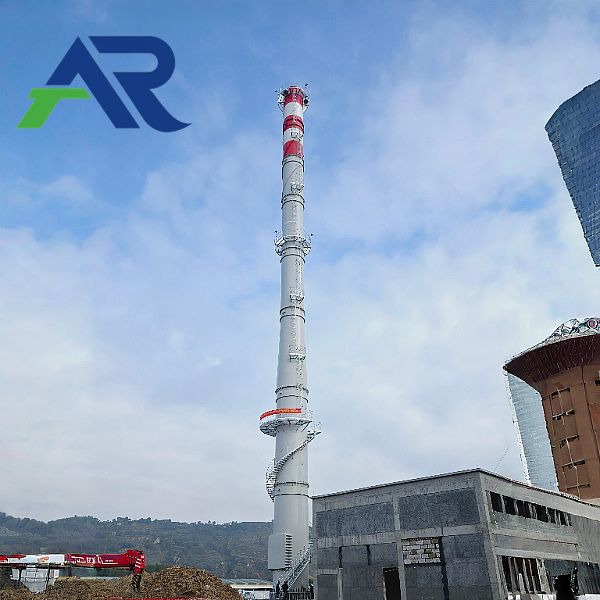
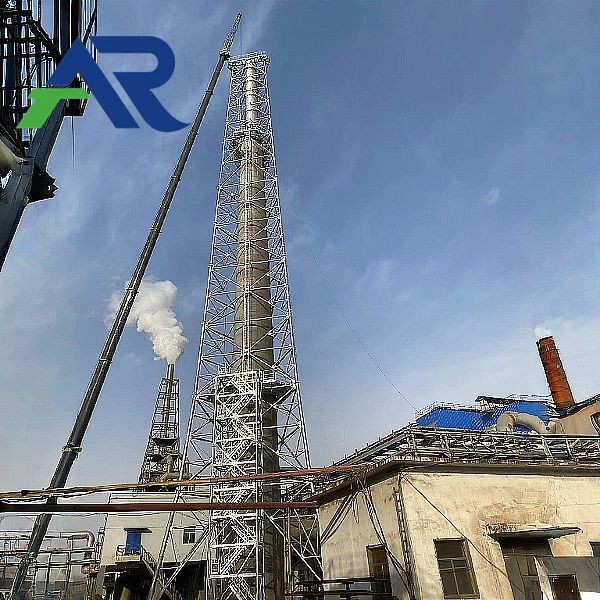
Factors Affecting the Size of a Free Standing Chimney
1. Heat Output of the Appliance
The heat output of the heating appliance connected to the chimney is one of the most critical factors. A higher heat output means more flue gases are produced, which requires a larger chimney size to ensure proper ventilation. For example, in a large industrial furnace with a high - capacity burner, a larger cross - sectional area of the chimney is needed to allow the rapid escape of hot gases.
To calculate the heat output, you need to know the fuel consumption rate and the calorific value of the fuel. Once you have this information, you can use industry - standard formulas to determine the approximate volume of flue gases generated per hour. As a general rule of thumb, for every 100,000 BTU (British Thermal Units) of heat output, you'll need a certain amount of chimney cross - sectional area. However, this can vary depending on the type of fuel and the efficiency of the appliance.
2. Height of the Chimney
The height of the chimney also plays a crucial role in its performance. A taller chimney creates a stronger draft, which helps in the efficient removal of flue gases. The draft is the force that pulls the flue gases up through the chimney. According to the laws of physics, the pressure difference between the top and the bottom of the chimney is proportional to its height.
When determining the height, you need to consider the surrounding environment. If there are tall buildings or trees nearby, the chimney may need to be taller to avoid downdrafts. Additionally, local building codes may specify minimum height requirements for safety reasons.
3. Type of Fuel
Different fuels produce different amounts and types of flue gases. For instance, natural gas burns relatively cleanly and produces less particulate matter compared to coal. Coal - fired appliances may require a larger chimney size to handle the higher volume of combustion by - products, including ash and soot.
Wood - burning stoves also have their own requirements. Wood combustion can produce creosote, a flammable substance that can accumulate in the chimney. A larger chimney may be needed to ensure proper ventilation and reduce the risk of creosote buildup.
4. Local Climate Conditions
The climate in your area can impact the performance of the chimney. In colder climates, the temperature difference between the inside and outside of the chimney is greater, which can create a stronger draft. However, cold weather can also cause condensation inside the chimney, which may require additional insulation or a larger chimney size to prevent blockages.
In hot and humid climates, there may be less of a temperature difference, which can weaken the draft. In such cases, a taller or larger - diameter chimney may be necessary to maintain proper ventilation.
Sizing Calculations
To accurately determine the size of the chimney, you can follow these general steps:
- Determine the heat output of the appliance: As mentioned earlier, calculate the heat output based on the fuel consumption and calorific value.
- Consider the type of fuel: Adjust the sizing requirements based on the characteristics of the fuel being used.
- Decide on the height of the chimney: Take into account the surrounding environment and local building codes.
- Use sizing tables or software: There are many industry - standard sizing tables available that can help you determine the appropriate cross - sectional area of the chimney based on the heat output and other factors. Alternatively, you can use specialized chimney sizing software, which can provide more accurate results.
Example Sizing Calculation
Let's assume you have a natural gas - fired industrial boiler with a heat output of 500,000 BTU per hour. Based on typical sizing guidelines, for a natural gas - fired appliance, you might need a chimney with a cross - sectional area of approximately [X] square inches.
If the boiler is located in an area with a relatively cold climate and there are no significant obstructions nearby, a chimney height of [Y] feet might be sufficient to create a good draft.
Importance of Professional Installation
Once you've determined the appropriate size of the free standing chimney, it's crucial to have it installed by a professional. A proper installation ensures that the chimney operates safely and efficiently. Professional installers have the knowledge and experience to handle the complex tasks involved, such as ensuring proper sealing, insulation, and structural support.
Conclusion
Selecting the right size of a free standing chimney is a complex process that requires careful consideration of multiple factors. As a free standing chimney supplier, we are committed to helping you make the right choice. Our team of experts can assist you in determining the appropriate size based on your specific requirements.
If you're in the process of choosing a free standing chimney for your industrial or residential application, don't hesitate to contact us for more information. We can provide detailed product specifications, sizing recommendations, and guidance on installation. Let's work together to ensure that your chimney meets your needs and operates safely and efficiently.
References
- "Chimney Design and Installation Handbook" - Industry - specific handbook on chimney design principles.
- "Fuel Combustion and Flue Gas Analysis" - Textbook on the science of fuel combustion and the properties of flue gases.
- Local building codes and regulations related to chimney installation and sizing.