

Hey there! I'm a supplier of Corrugated Pipe for Coal Mine Corridor. Over the years, I've seen firsthand the importance of ensuring the long - term stability of these pipes in coal mine corridors. In this blog, I'll share some tips and insights on how to achieve that.
First off, let's understand why the long - term stability of corrugated pipes in coal mine corridors is so crucial. Coal mine corridors are harsh environments. There are constant vibrations from mining equipment, high humidity, and the presence of corrosive substances. If the corrugated pipes aren't stable, they can lead to leaks, blockages, and even structural failures. And that's not just a headache; it can pose serious safety risks to the miners and disrupt the mining operations.
Material Selection
One of the key factors in ensuring long - term stability is the material of the corrugated pipe. We offer Corrugated Pipe for Coal Mine Corridor made from high - quality steel. Steel is a great choice because it's strong and can withstand the mechanical stress in the mine. It also has good resistance to corrosion when properly coated.
We use advanced coating technologies to protect the steel pipes from the corrosive elements in the coal mine. For example, a zinc - aluminum alloy coating can provide excellent corrosion resistance. This coating acts as a barrier between the steel and the corrosive substances in the mine environment, preventing rust and deterioration.
Another option is to use fiberglass - reinforced plastic (FRP) pipes. FRP pipes are lightweight, corrosion - resistant, and have good insulating properties. They're also easy to install. However, they may not be as strong as steel pipes in terms of withstanding high - impact forces. So, when choosing the material, you need to consider the specific conditions of the coal mine corridor, such as the level of mechanical stress and the type of corrosive substances present.
Installation
Proper installation is another critical aspect. A poorly installed corrugated pipe is more likely to fail prematurely. First, the ground where the pipe will be installed needs to be properly prepared. It should be level and free of large rocks or other debris that could damage the pipe.
During installation, the pipes should be aligned correctly. Any misalignment can cause stress concentrations in the pipe, which can lead to cracks or leaks over time. We recommend using proper installation tools and following the manufacturer's installation guidelines.
It's also important to provide adequate support for the pipes. In a coal mine corridor, the pipes may be subject to vibrations from mining equipment. Without proper support, these vibrations can cause the pipes to move and eventually break. We use support brackets or hangers at regular intervals to keep the pipes in place.
Maintenance
Regular maintenance is essential for the long - term stability of corrugated pipes in coal mine corridors. You need to conduct visual inspections on a regular basis to check for any signs of damage, such as cracks, dents, or corrosion.
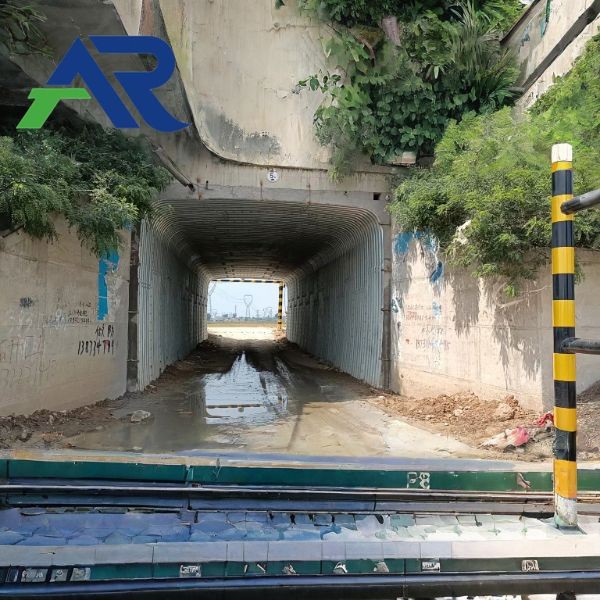

If any damage is found, it should be repaired immediately. Small cracks can often be repaired using epoxy resin or other suitable repair materials. For more severe damage, the damaged section of the pipe may need to be replaced.
In addition to visual inspections, you should also monitor the flow rate and pressure inside the pipes. Any significant changes in these parameters could indicate a problem, such as a blockage or a leak.
Monitoring and Testing
Advanced monitoring and testing techniques can also help ensure the long - term stability of corrugated pipes. For example, non - destructive testing methods like ultrasonic testing can be used to detect internal defects in the pipes without damaging them.
We can also install sensors inside the pipes to monitor various parameters, such as temperature, pressure, and strain. These sensors can provide real - time data, which can be used to detect potential problems early and take preventive measures.
Comparison with Other Applications
It's interesting to compare the requirements for corrugated pipes in coal mine corridors with those in other applications, like Corrugated Pipe for Subway Passage and Bridge Culvert Steel Corrugated Culvert.
In subway passages, the main concerns are often related to fire safety and waterproofing. The pipes need to be made of fire - resistant materials and have good sealing properties to prevent water leakage. In bridge culverts, the pipes need to withstand heavy loads from traffic and environmental factors like wind and rain.
In contrast, in coal mine corridors, the focus is more on mechanical stress resistance and corrosion protection. The pipes need to be able to handle the vibrations and impacts from mining equipment and resist the corrosive substances in the mine environment.
Conclusion
Ensuring the long - term stability of corrugated pipes in a coal mine corridor requires a combination of proper material selection, correct installation, regular maintenance, and advanced monitoring techniques. As a supplier of Corrugated Pipe for Coal Mine Corridor, we're committed to providing high - quality products and professional advice to our customers.
If you're in the market for corrugated pipes for your coal mine corridor, or if you have any questions about how to ensure their long - term stability, feel free to reach out. We're here to help you make the right choices and keep your mining operations running smoothly.
References
- "Handbook of Corrugated Pipe Engineering"
- "Corrosion Prevention in Mining Environments"
- "Installation Guidelines for Underground Pipes"