

Can a multi - sleeve chimney be used for a wood - burning stove?
As a supplier of Multi - sleeve Chimneys, I often get asked whether a multi - sleeve chimney can be used for a wood - burning stove. This is a crucial question for those who are looking to install a wood - burning stove in their homes or commercial spaces, as the right chimney system is essential for safety, efficiency, and environmental compliance.
Understanding Wood - Burning Stoves and Their Requirements
Wood - burning stoves are a popular choice for heating due to their rustic charm and the ability to use a renewable fuel source. However, they produce a significant amount of hot, dirty, and potentially hazardous exhaust gases. These gases contain carbon monoxide, particulate matter, and other pollutants that need to be safely vented out of the building.
For a wood - burning stove to operate effectively, the chimney must be able to create a strong draft. A draft is the flow of air through the stove and up the chimney, which is necessary to keep the fire burning and to expel the exhaust gases. The chimney also needs to be well - insulated to prevent heat loss and to reduce the risk of condensation inside the chimney, which can lead to corrosion and the formation of creosote.
What is a Multi - sleeve Chimney?
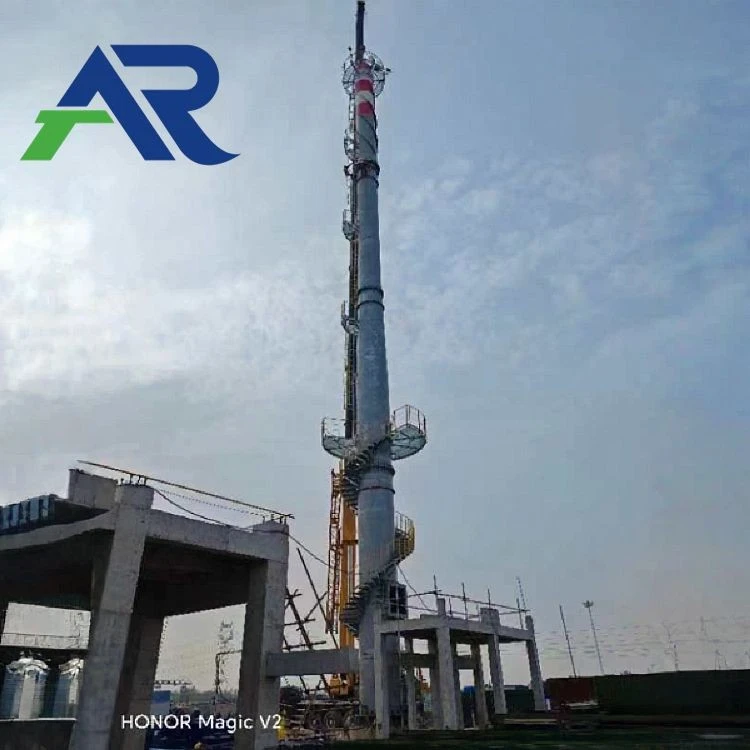
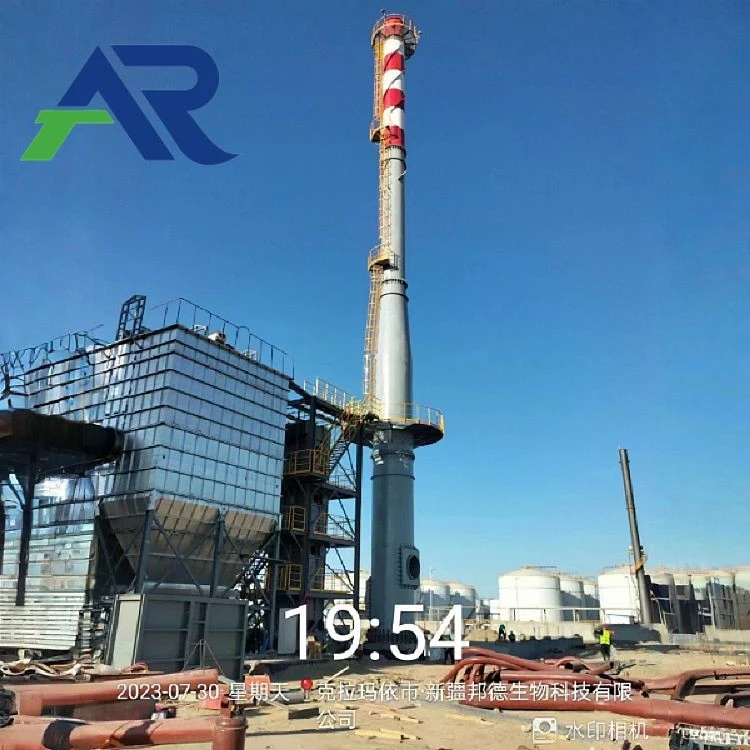
A Multi - sleeve Chimney is a type of chimney system that consists of multiple concentric sleeves. These sleeves are typically made of different materials, such as stainless steel, and are designed to provide enhanced insulation and performance. The outer sleeve acts as a protective layer, while the inner sleeves are responsible for carrying the exhaust gases.
One of the main advantages of a multi - sleeve chimney is its superior insulation properties. The multiple layers of insulation help to maintain a high flue gas temperature, which in turn improves the draft and reduces the risk of creosote buildup. Creosote is a highly flammable substance that can accumulate inside the chimney over time and pose a significant fire hazard.
Advantages of Using a Multi - sleeve Chimney for a Wood - Burning Stove
1. Improved Draft
The enhanced insulation of a multi - sleeve chimney helps to keep the flue gases hot, which creates a stronger draft. A stronger draft means that the wood - burning stove will burn more efficiently, as it will receive a steady supply of fresh air. This results in better combustion, less smoke, and more heat output.
2. Reduced Creosote Buildup
As mentioned earlier, the high flue gas temperature in a multi - sleeve chimney reduces the risk of creosote condensation. By minimizing creosote buildup, the chimney is less likely to catch fire, and it will require less frequent cleaning and maintenance.
3. Energy Efficiency
The insulation in a multi - sleeve chimney helps to retain heat within the flue gases, which means that less heat is lost to the surrounding environment. This makes the wood - burning stove more energy - efficient, as it can convert more of the fuel's energy into useful heat.
4. Durability
Multi - sleeve chimneys are typically made of high - quality materials, such as stainless steel, which are resistant to corrosion and wear. This makes them a long - lasting and reliable option for venting a wood - burning stove.
Comparison with Single - sleeve Chimneys
In contrast to multi - sleeve chimneys, Single Sleeve Chimneys have only one layer. While single - sleeve chimneys are often less expensive, they may not provide the same level of insulation and performance as multi - sleeve chimneys.
Single - sleeve chimneys are more prone to heat loss, which can result in a weaker draft and increased creosote buildup. They may also be more susceptible to corrosion, especially in areas with high humidity or acidic flue gases.
Considerations When Using a Multi - sleeve Chimney for a Wood - Burning Stove
1. Size and Capacity
It is important to choose a multi - sleeve chimney that is the right size and capacity for your wood - burning stove. The chimney should be able to handle the volume of exhaust gases produced by the stove without causing excessive backpressure. A professional installer can help you determine the appropriate size and capacity based on the specifications of your stove.
2. Installation
Proper installation is crucial for the safe and effective operation of a multi - sleeve chimney. The chimney must be installed in accordance with local building codes and manufacturer's instructions. It is recommended to hire a qualified chimney installer who has experience working with wood - burning stoves and multi - sleeve chimneys.
3. Maintenance
Even though multi - sleeve chimneys require less maintenance than single - sleeve chimneys, they still need to be inspected and cleaned regularly. A professional chimney sweep should be hired at least once a year to check for any signs of damage, corrosion, or creosote buildup.
Conclusion
In conclusion, a multi - sleeve chimney can be an excellent choice for a wood - burning stove. Its superior insulation, improved draft, reduced creosote buildup, and energy efficiency make it a reliable and safe option for venting the exhaust gases from a wood - burning stove.
If you are considering installing a wood - burning stove or upgrading your existing chimney system, I encourage you to explore the benefits of a Multi - sleeve Chimney. Our company offers a wide range of high - quality multi - sleeve chimneys that are designed to meet the needs of both residential and commercial customers.
If you have any questions or would like to discuss your specific requirements, please feel free to reach out to us. We are here to help you make an informed decision and ensure that you get the best chimney solution for your wood - burning stove.
References
- "Chimney Safety Institute of America - Wood - Burning Stove Guidelines"
- "National Fire Protection Association - Chimney and Ventilation Standards"
- "Manufacturer's Manuals for Multi - sleeve and Single - sleeve Chimneys"