
Yo, folks! As a supplier of corrugated steel culverts, I've seen firsthand how these bad boys can be a game - changer in various construction projects. But like any other product, there's always room for optimization. So, let's dive into the optimization methods for corrugated steel culverts.
1. Material Selection
First off, the material you choose for your corrugated steel culvert matters big time. We usually go for high - strength steel because it can withstand a lot of pressure. It's like choosing a tough pair of boots for a long hike. High - strength steel can handle heavy loads from traffic, soil, and water without getting damaged easily.
Another thing to consider is the coating. Galvanized steel is a popular choice. The zinc coating acts as a shield, protecting the steel from rust and corrosion. It's like giving your culvert a suit of armor. There are also other advanced coatings available these days that can offer even better protection in harsh environments. For example, in areas with high levels of pollution or near the sea where there's a lot of salt in the air, a special polymer coating might be a great option.
2. Design Optimization
The design of the corrugated steel culvert is crucial. The shape and size of the corrugations play a significant role in its performance. The corrugations are not just for show; they add strength and flexibility to the culvert. A well - designed corrugation pattern can distribute the load evenly across the culvert, reducing the stress on any single point.
We can also optimize the cross - sectional shape of the culvert. Circular culverts are common because they are easy to install and can handle water flow well. But in some cases, elliptical or arch - shaped culverts might be a better choice. For instance, if you have limited vertical space but need to handle a large volume of water, an elliptical culvert can be a great solution.
Moreover, the length and diameter of the culvert should be carefully calculated based on the project requirements. If the culvert is too short or too narrow, it might not be able to handle the water flow during heavy rain, leading to flooding. On the other hand, if it's too long or too wide, it can be a waste of materials and money.
3. Installation Techniques
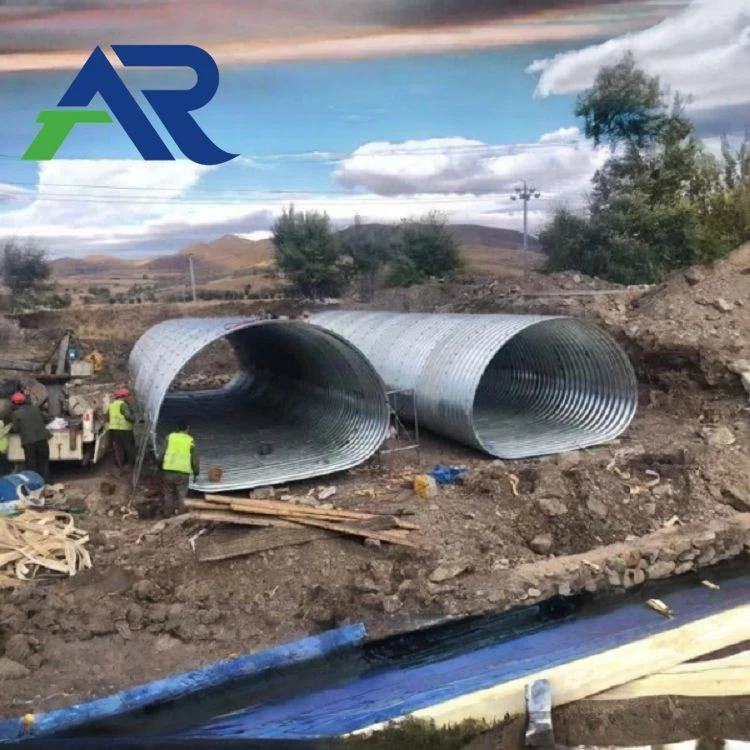
Proper installation is key to getting the most out of your corrugated steel culvert. First, the foundation needs to be stable. If the ground is soft or uneven, it can cause the culvert to settle unevenly, leading to cracks and leaks. We often use compacted soil or a concrete base to ensure a stable foundation.
During the installation process, the culvert sections need to be joined correctly. There are different joining methods available, such as bolted connections or welded connections. Bolted connections are easier to install and allow for some flexibility, while welded connections provide a stronger and more watertight joint.
It's also important to backfill the culvert properly. The backfill material should be carefully selected and compacted in layers. This helps to support the culvert and prevent it from being damaged by external forces.
4. Maintenance and Monitoring
Optimization doesn't stop after installation. Regular maintenance and monitoring are essential to keep the corrugated steel culvert in good condition. Inspections should be carried out periodically to check for signs of damage, such as rust, cracks, or deformation.
If any issues are found, they should be addressed immediately. For example, if there's some rust on the surface, it can be treated with a rust - inhibiting paint. Small cracks can be repaired using appropriate sealing materials.
Monitoring the water flow and pressure inside the culvert can also provide valuable information. If there are sudden changes in water flow or pressure, it could indicate a blockage or a problem with the culvert structure.
Applications and Related Products
Corrugated steel culverts have a wide range of applications. They are commonly used in road and railway construction to allow water to pass under the tracks or roads. They can also be used in drainage systems for agricultural fields, industrial areas, and residential developments.
We also offer some related products that are based on the same corrugated steel technology. For example, the Wind Tower Foundation Corrugated Outer Tube is designed to provide a stable foundation for wind towers. The corrugated structure adds strength and flexibility, making it suitable for withstanding the strong winds and vibrations associated with wind tower operations.
Our Steel Corrugated Culvert is the classic product that has been serving various construction projects for years. It's reliable, cost - effective, and easy to install.
Another interesting product is the Steel Urban Underground Integrated Pipeline Corridor. This is a great solution for urban areas where there's a need to manage multiple utility pipelines in a limited space. The corrugated steel structure provides a strong and durable housing for the pipelines, protecting them from external damage.
Conclusion
In conclusion, optimizing corrugated steel culverts involves a combination of material selection, design optimization, proper installation, and regular maintenance. By paying attention to these aspects, we can ensure that the culverts perform at their best and have a long service life.

If you're involved in a construction project that requires corrugated steel culverts or any of our related products, don't hesitate to reach out. We're here to help you find the best solutions for your needs. Whether it's a small - scale residential project or a large - scale infrastructure development, we've got the expertise and the products to meet your requirements. Let's start a conversation and see how we can work together to make your project a success.
References
- American Iron and Steel Institute. (2019). Design Manual for Corrugated Steel Pipe and Structural Plate.
- National Cooperative Highway Research Program. (2018). Guidelines for the Design and Construction of Corrugated Steel Culverts.