

What is the Function of Corrugated Pipe for Subway Passage?
As a supplier of Corrugated Pipe for Subway Passage, I've witnessed firsthand the importance and diverse functions of these pipes in subway construction. In this blog, I'll delve into the key functions of corrugated pipes in subway passages, highlighting their significance in ensuring the safety, durability, and efficiency of subway systems.
Structural Support
One of the primary functions of corrugated pipes in subway passages is to provide structural support. Subway tunnels are often subjected to significant loads from the weight of trains, the surrounding soil, and other external forces. Corrugated pipes, with their unique corrugated design, offer excellent strength and flexibility. The corrugations increase the pipe's resistance to bending and deformation, allowing it to withstand high pressures without collapsing.
This structural support is crucial for maintaining the integrity of the subway passage. It helps prevent the tunnel walls from caving in, protecting passengers and infrastructure from potential disasters. For example, in areas with unstable soil conditions or high seismic activity, corrugated pipes can absorb and distribute the forces generated by earthquakes or ground movements, reducing the risk of damage to the subway tunnel.
Drainage
Effective drainage is essential in subway passages to prevent water accumulation, which can lead to corrosion, electrical problems, and structural damage. Corrugated pipes play a vital role in this regard. They are commonly used as drainage pipes to collect and divert water away from the subway tunnel.
The smooth interior surface of corrugated pipes allows for efficient water flow, minimizing the risk of blockages. Additionally, the corrugated design provides extra strength to the pipes, enabling them to withstand the pressure of water and soil. This ensures that water can be quickly and effectively drained from the subway passage, maintaining a dry and safe environment for passengers and equipment.
Cable and Utility Conduit
Subway passages are filled with various cables and utilities, such as power cables, communication cables, and ventilation systems. Corrugated pipes are used as conduits to protect these cables and utilities from damage. The pipes provide a physical barrier between the cables and the surrounding environment, preventing them from being exposed to moisture, chemicals, and mechanical stress.
Moreover, the flexibility of corrugated pipes makes them easy to install in tight spaces and around curves, allowing for efficient routing of cables and utilities. This helps to organize the wiring and plumbing in the subway passage, making maintenance and repairs more convenient. For instance, if a cable needs to be replaced or repaired, the corrugated conduit can be easily opened and accessed without causing significant disruption to the subway system.
Noise and Vibration Reduction
The operation of subway trains generates a significant amount of noise and vibration, which can be a nuisance to passengers and nearby residents. Corrugated pipes can help reduce these noise and vibration levels. The corrugated structure of the pipes acts as a buffer, absorbing and dampening the sound waves and vibrations produced by the trains.
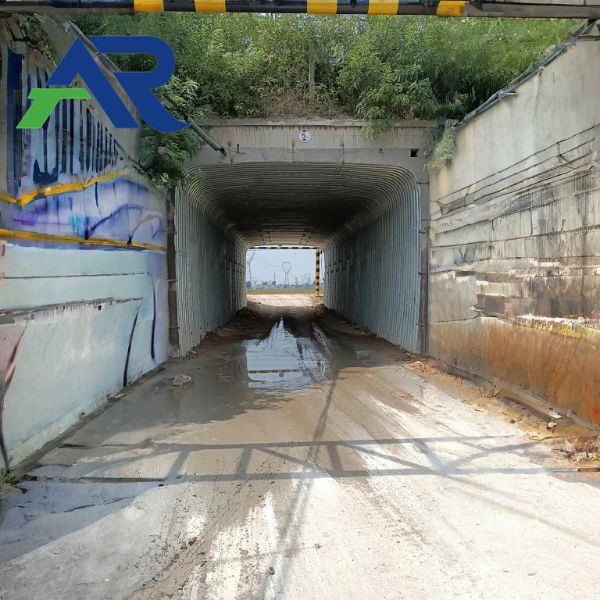
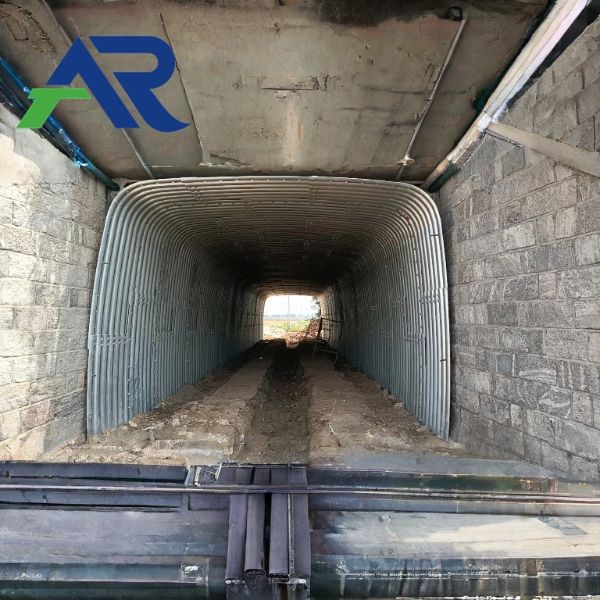
This noise and vibration reduction not only improves the comfort of passengers but also helps to protect the surrounding environment. By reducing the noise pollution, corrugated pipes contribute to a more sustainable and livable urban environment. For example, in subway stations located in residential areas, the use of corrugated pipes can significantly reduce the impact of train noise on the quality of life of nearby residents.
Fire Resistance
Fire safety is a critical concern in subway passages. Corrugated pipes can be made from fire-resistant materials, providing an additional layer of protection in case of a fire. These fire-resistant pipes can prevent the spread of fire and smoke, giving passengers more time to evacuate safely.
The fire-resistant properties of corrugated pipes are especially important in subway tunnels, where the confined space and high population density can make it difficult to evacuate quickly in the event of a fire. By using fire-resistant corrugated pipes, subway operators can enhance the safety of their passengers and infrastructure.
Conclusion
In conclusion, corrugated pipes play a crucial role in subway passages, providing structural support, drainage, cable and utility conduit, noise and vibration reduction, and fire resistance. As a supplier of Corrugated Pipe for Subway Passage, I understand the importance of these functions and strive to provide high-quality products that meet the specific needs of subway construction projects.
If you are involved in a subway construction project or are interested in learning more about our Corrugated Pipe for Subway Passage, please feel free to contact us. We would be happy to discuss your requirements and provide you with a customized solution. Our team of experts is dedicated to helping you ensure the safety, durability, and efficiency of your subway system.
References
- "Structural Design of Corrugated Steel Culverts and Plate Structures." American Iron and Steel Institute.
- "Drainage Design Manual for Subway Systems." Transit Cooperative Research Program.
- "Fire Safety in Subway Tunnels." National Fire Protection Association.