

Hey there! As a supplier of cluster chimneys, I often get asked about the materials used to make these structures. Cluster chimneys are crucial in industrial settings as they help in the efficient discharge of exhaust gases. Let's dive into the various materials that go into making a cluster chimney.
Stainless Steel
Stainless steel is one of the most popular materials for cluster chimneys. It's got a bunch of great properties that make it a top - pick. First off, it's highly resistant to corrosion. In industrial environments, exhaust gases can be full of corrosive substances like sulfur dioxide and various acids. Stainless steel can withstand these harsh chemicals, which means the chimney will have a longer lifespan.
Another advantage of stainless steel is its strength. It can handle high temperatures and pressure, which are common in industrial processes. Whether it's a power plant or a chemical factory, the exhaust gases are usually hot and under some pressure. Stainless steel chimneys can stand up to these conditions without warping or breaking.
Moreover, stainless steel is relatively easy to fabricate. We can shape it into different sizes and designs according to the specific requirements of our clients. You can check out our Stainless Steel Chimneys for more details on the types and specifications we offer.
Titanium Steel Composite Plate
Titanium steel composite plate is another excellent material for cluster chimneys. This material combines the best of both titanium and steel. Titanium is known for its outstanding corrosion resistance, even in extremely aggressive environments. It forms a thin, protective oxide layer on its surface that prevents further corrosion.
On the other hand, steel provides the necessary strength and structural integrity. The combination of these two materials results in a chimney that is both corrosion - resistant and strong. Titanium steel composite plate chimneys are especially suitable for industries where the exhaust gases are highly corrosive, such as the chemical and petrochemical industries.
These chimneys can also withstand high - temperature fluctuations. In some industrial processes, the temperature of the exhaust gases can vary significantly. Titanium steel composite plate chimneys can handle these changes without losing their performance. If you're interested in this type of chimney, you can visit our Titanium Steel Composite Plate Chimney page.
Fiberglass
Fiberglass is a lightweight and cost - effective option for cluster chimneys. It has good corrosion resistance, especially against acids and alkalis. Fiberglass chimneys are also non - conductive, which is an important safety feature in some industrial settings.
One of the great things about fiberglass is its ease of installation. It's lighter than stainless steel or titanium steel composite plate, so it's easier to transport and install on - site. This can save a lot of time and money during the installation process.

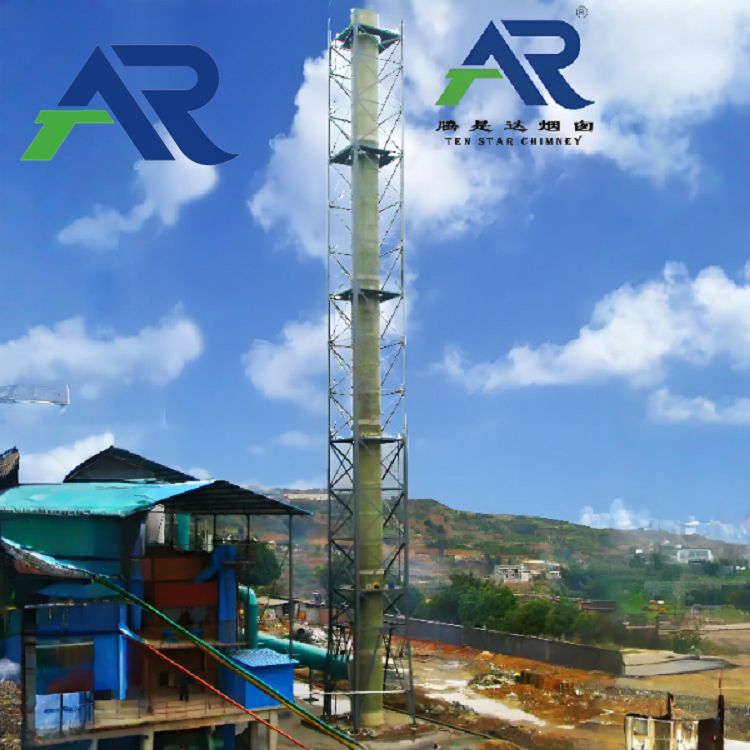
Fiberglass chimneys are also relatively low - maintenance. They don't require the same level of upkeep as metal chimneys. You can find more information about our Fiberglass Chimney options on our website.
Other Materials
Apart from the main materials mentioned above, there are also some other materials that can be used in cluster chimneys. For example, refractory bricks can be used as an inner lining to provide additional insulation and protection against high temperatures. These bricks are made from special clay and other refractory materials that can withstand very high heat.
Ceramic materials can also be used in certain parts of the chimney. They have excellent heat resistance and can be used to line the areas where the exhaust gases are the hottest.
Choosing the Right Material
When it comes to choosing the right material for a cluster chimney, there are several factors to consider. The first factor is the nature of the exhaust gases. If the gases are highly corrosive, then materials like titanium steel composite plate or stainless steel might be the best choice. If the corrosion level is relatively low and cost is a major concern, fiberglass could be a good option.
The temperature of the exhaust gases is another important factor. High - temperature applications will require materials that can withstand extreme heat, such as refractory - lined chimneys or those made from high - temperature - resistant metals.
The location and environmental conditions also play a role. For example, if the chimney is located in an area with high humidity or saltwater exposure, corrosion - resistant materials are a must.
Our Expertise
As a supplier of cluster chimneys, we have years of experience in working with different materials. We understand the unique requirements of each industry and can help our clients choose the most suitable material for their cluster chimneys. Our team of experts will work closely with you to design and manufacture a chimney that meets your specific needs.
We also offer installation and after - sales services. Our installation team is highly trained and experienced, ensuring that your chimney is installed correctly and safely. And our after - sales support means that we'll be there to help you with any maintenance or repair issues that may arise.
Why Choose Us
There are several reasons why you should choose us as your cluster chimney supplier. Firstly, we have a wide range of materials and designs to choose from. Whether you need a stainless steel chimney, a titanium steel composite plate chimney, or a fiberglass chimney, we've got you covered.
Secondly, we use high - quality materials and the latest manufacturing techniques. This ensures that our chimneys are of the highest quality and will last for a long time.
Finally, our prices are competitive. We believe in providing our clients with value for money. We'll work with you to find a solution that fits your budget without compromising on quality.
Contact Us for Procurement
If you're in the market for a cluster chimney, don't hesitate to contact us. We're here to answer all your questions and help you make the right decision. Whether you're a small business or a large industrial corporation, we can provide you with a customized cluster chimney solution. Let's start the conversation and get your project on the right track!
References
- ASME Boiler and Pressure Vessel Code, which provides standards for the design, fabrication, and inspection of pressure - containing components like chimneys.
- ASTM International standards for metals and composite materials, which ensure the quality and performance of the materials used in chimney construction.