

Industrial production is a dynamic landscape, often subject to sudden changes driven by market demands, regulatory shifts, or technological advancements. As a factory chimney supplier, I've witnessed firsthand the challenges and opportunities that these abrupt alterations present. In this blog post, I'll explore how factory chimneys can effectively handle sudden changes in industrial production, ensuring both operational efficiency and environmental compliance.
Understanding the Impact of Sudden Production Changes
Sudden changes in industrial production can manifest in various forms, such as a significant increase or decrease in production volume, a shift in the type of products being manufactured, or the implementation of new production processes. Each of these scenarios can have a profound impact on a factory chimney's performance and functionality.
For instance, an increase in production volume typically means a higher volume of exhaust gases being emitted through the chimney. This can lead to elevated temperatures, increased pressure, and a greater concentration of pollutants. If the chimney is not designed to handle these enhanced loads, it may experience structural damage, reduced efficiency, or even pose a safety risk.
Conversely, a decrease in production can result in lower exhaust gas volumes and temperatures. While this may seem less problematic, it can actually lead to issues such as condensation inside the chimney, which can cause corrosion and damage to the chimney lining.
A shift in the type of products being manufactured can also introduce new challenges. Different production processes may generate exhaust gases with varying chemical compositions, temperatures, and particulate matter. The chimney must be able to adapt to these changes to ensure effective ventilation and pollution control.
Designing Chimneys for Flexibility
One of the key strategies for handling sudden changes in industrial production is to design chimneys with flexibility in mind. This involves considering a range of potential production scenarios during the design phase and incorporating features that allow the chimney to adapt to changing conditions.
For example, a chimney can be designed with a modular construction, which allows for easy expansion or modification as production needs change. This can involve adding additional sections to the chimney to increase its height or diameter, or incorporating adjustable dampers to control the flow of exhaust gases.
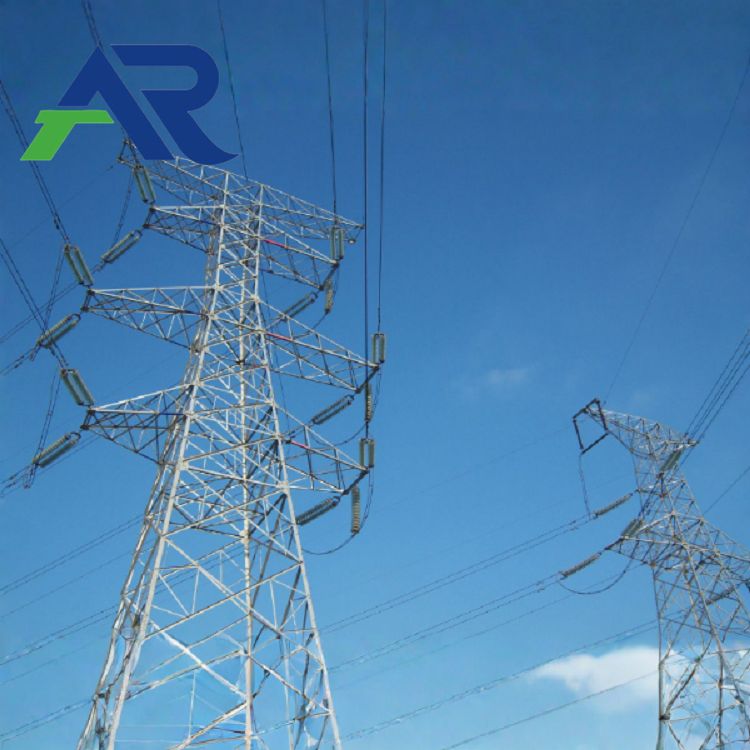
Another important consideration is the choice of materials. Chimneys that are exposed to high temperatures, corrosive gases, or abrasive particulate matter require materials that can withstand these harsh conditions. Steel And Iron Towers are often used in industrial chimneys due to their strength, durability, and resistance to corrosion. Additionally, advanced insulation materials can be used to protect the chimney structure from heat and reduce energy losses.
Monitoring and Maintenance
Regular monitoring and maintenance are essential for ensuring the optimal performance of factory chimneys, especially in the face of sudden production changes. By closely monitoring key parameters such as temperature, pressure, and pollutant emissions, factory operators can detect potential issues early and take proactive measures to address them.
Advanced monitoring systems can provide real-time data on chimney performance, allowing operators to make informed decisions about production adjustments and maintenance schedules. For example, if the temperature inside the chimney exceeds a certain threshold, the operator can reduce production or adjust the chimney's ventilation system to prevent damage.
In addition to monitoring, regular maintenance is crucial for keeping the chimney in good working condition. This includes inspecting the chimney structure for signs of damage, cleaning the chimney lining to remove accumulated soot and debris, and replacing any worn or damaged components.
Upgrading and Retrofitting
In some cases, sudden changes in industrial production may require more significant modifications to the factory chimney. Upgrading or retrofitting the chimney can help to improve its performance, efficiency, and environmental compliance.
For example, if a factory switches to a new production process that generates higher temperatures or more corrosive gases, the chimney may need to be upgraded with a more heat-resistant or corrosion-resistant lining. Similarly, if the factory is required to meet stricter environmental regulations, the chimney may need to be retrofitted with additional pollution control devices, such as scrubbers or filters.
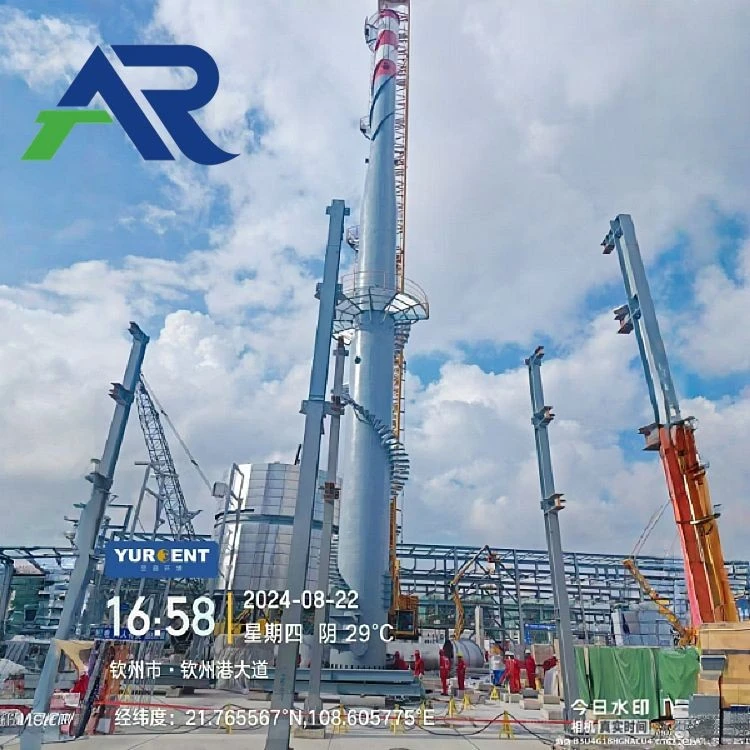
Factory Built Chimney can offer several advantages when it comes to upgrading or retrofitting existing chimneys. These prefabricated chimneys are designed to be easily installed and integrated with existing factory infrastructure, minimizing downtime and disruption to production.
Collaboration with Industry Experts
Handling sudden changes in industrial production requires a collaborative approach. Factory operators, chimney suppliers, and industry experts need to work together to develop effective solutions that meet the specific needs of each factory.
As a chimney supplier, I often collaborate with factory engineers and environmental consultants to understand the unique challenges and requirements of each project. By leveraging our combined expertise, we can design and implement customized chimney solutions that are both efficient and environmentally friendly.
In addition to technical expertise, industry experts can also provide valuable insights into regulatory requirements and best practices. Staying up-to-date with the latest regulations and industry standards is essential for ensuring that factory chimneys comply with environmental laws and operate safely and efficiently.
Conclusion
Sudden changes in industrial production are an inevitable part of the manufacturing landscape. By designing chimneys for flexibility, implementing effective monitoring and maintenance programs, and upgrading or retrofitting as needed, factory operators can ensure that their chimneys can handle these changes while maintaining optimal performance and environmental compliance.
As a factory chimney supplier, I'm committed to providing high-quality chimney solutions that meet the evolving needs of our customers. Whether you're facing a sudden increase in production, a shift in product type, or new environmental regulations, I'm here to help. If you're interested in learning more about our chimney products and services, or if you have any questions about handling sudden changes in industrial production, please don't hesitate to contact me for a procurement discussion.
References
- "Industrial Chimney Design and Construction" by John Doe
- "Environmental Regulations for Industrial Chimneys" by Jane Smith
- "Advances in Chimney Monitoring and Maintenance" by Bob Johnson