

Hey there! As an iron tower supplier, I've had the privilege of working with all sorts of iron towers over the years. In this blog post, I'm gonna walk you through the different types of iron towers that are out there.
Communication Towers
Communication towers are super important in our modern world. They're like the silent heroes that keep us connected. These towers are designed to support antennas and other communication equipment, allowing us to make phone calls, use the internet, and watch TV.
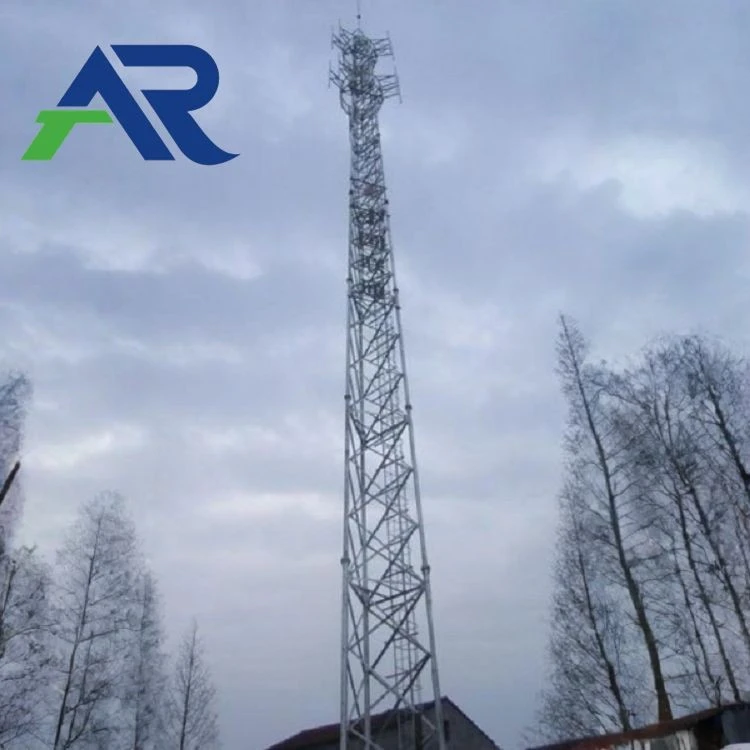
One of the most common types of communication towers is the lattice tower. Lattice towers are made up of a framework of steel bars that form a grid-like structure. They're known for their strength and durability, and they can support a large amount of weight. Lattice towers are often used in areas where there's a need for high-capacity communication, such as in cities or near airports. You can learn more about Communication Tower Building.
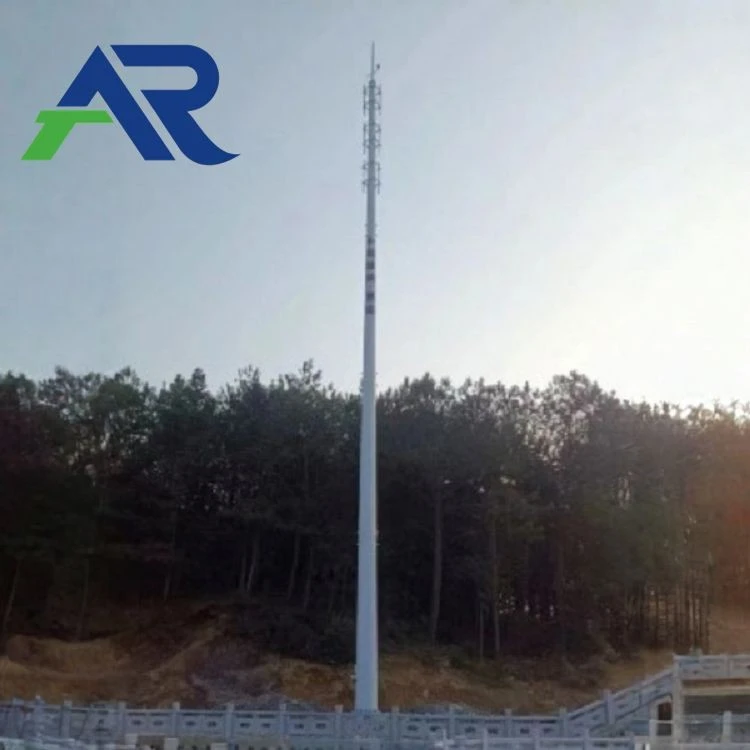
Another type of communication tower is the monopole tower. Monopole towers are single, cylindrical structures that are typically made of steel or concrete. They're more aesthetically pleasing than lattice towers and take up less space, which makes them a popular choice in residential areas. Monopole towers are usually used for low to medium-capacity communication, such as for local cell phone coverage.
Power Transmission Towers
Power transmission towers are responsible for carrying electricity from power plants to substations and then to our homes and businesses. These towers are massive and can be found all over the countryside.
There are several types of power transmission towers. One of the most common is the suspension tower. Suspension towers are used to support the weight of the power lines and keep them in place. They have a tall, narrow structure with a series of cross - arms that hold the conductors. Suspension towers are often used in long - distance power transmission because they can span long distances between towers.
Then there are the guyed towers. Guyed towers are supported by cables, or guys, that are attached to the ground. These towers are more economical to build than suspension towers, especially in areas with soft soil. Guyed towers are commonly used for medium - voltage power transmission.
Industrial Iron Towers
Industrial iron towers are used in a variety of industrial applications. They can be found in factories, refineries, and other industrial facilities. Industrial Iron Towers are designed to withstand harsh environmental conditions and heavy loads.
For example, in the oil and gas industry, flare towers are a type of industrial iron tower. Flare towers are used to burn off excess gas and prevent it from being released into the atmosphere. These towers are usually very tall and have a special burner at the top.
In chemical plants, there are also process towers. Process towers are used for various chemical reactions and separations. They are designed to be corrosion - resistant and can handle high - pressure and high - temperature conditions.
Broadcast Towers
Broadcast towers are used for radio and television broadcasting. These towers send out radio and TV signals over a large area so that we can receive our favorite shows and music.
Broadcast towers can be either self - supporting or guyed. Self - supporting broadcast towers are like large, solid structures that stand on their own. They are often used in urban areas where space is limited. Guyed broadcast towers, on the other hand, are supported by guy wires and are more common in rural areas where there's more space available.
Navigation Towers
Navigation towers are used to help ships and aircraft navigate safely. They can be found near coastlines and airports.
Maritime navigation towers, such as lighthouses, are designed to emit a light signal that can be seen from a long distance. This helps ships avoid dangerous areas and find their way into ports. Lighthouses are usually made of iron or steel and have a tall, cylindrical shape.
Airport navigation towers, also known as control towers, are used to manage air traffic. These towers are located at airports and provide a vantage point for air traffic controllers to monitor take - offs, landings, and the movement of aircraft on the ground.
Considerations When Choosing an Iron Tower
When choosing an iron tower, there are several factors to consider. First of all, you need to think about the purpose of the tower. Is it for communication, power transmission, or an industrial application? The purpose will determine the type of tower you need.
The location is also important. If the tower is going to be in an urban area, you might want a tower that takes up less space and is more aesthetically pleasing, like a monopole communication tower. If it's in a rural area, you might have more flexibility in terms of the size and type of tower.
The environmental conditions are another crucial factor. If the tower is in an area with high winds, heavy snow, or corrosive chemicals, you need to choose a tower that can withstand these conditions. For example, in coastal areas, you might need a tower that is made of corrosion - resistant steel.
Why Choose Our Iron Towers?
As a trusted iron tower supplier, we offer a wide range of high - quality iron towers. Our towers are made from the best materials and are built to last. We have a team of experienced engineers and technicians who can design and build towers that meet your specific requirements.
Whether you need a communication tower for your cell phone network, a power transmission tower for your electricity grid, or an industrial tower for your factory, we've got you covered. We also provide installation and maintenance services to ensure that your tower operates smoothly for years to come.
If you're interested in purchasing an iron tower, don't hesitate to get in touch with us. We're always happy to have a chat about your needs and provide you with a customized solution. You can visit our website Iron Towers to learn more about our products and services. Let's work together to find the perfect iron tower for your project!
References
- Electrical Power Systems Engineering textbooks
- Telecommunication engineering handbooks
- Industrial engineering case studies on tower applications