
When it comes to industrial and residential heating systems, the chimney plays a crucial role in ensuring the safe and efficient expulsion of combustion by - products. Among the various types of chimneys available in the market, the Corrugated Pipe Chimney has gained significant popularity due to its unique features and advantages. As a Corrugated Pipe Chimney supplier, I often receive inquiries about the weight of these chimneys, which is an important factor for installation, transportation, and structural considerations. In this blog, we will delve into the details of what determines the weight of a corrugated pipe chimney and why it matters.
Understanding Corrugated Pipe Chimneys
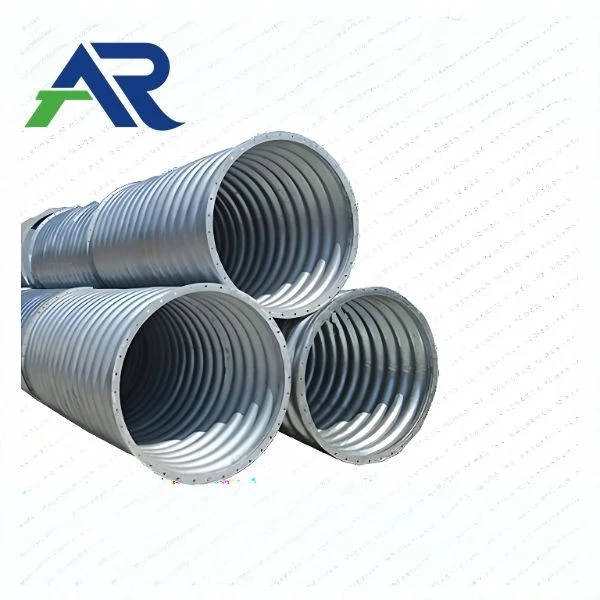
Before we discuss the weight, let's briefly introduce what a Corrugated Pipe Chimney is. A Corrugated Pipe Chimney is a type of chimney made from pipes with a corrugated structure. This design provides several benefits, including increased flexibility, better resistance to thermal expansion and contraction, and enhanced structural integrity. These chimneys are commonly used in a variety of applications, such as small - scale industrial furnaces, residential fireplaces, and some commercial heating systems.
Factors Affecting the Weight of a Corrugated Pipe Chimney
Material
The material used to manufacture the corrugated pipe chimney is one of the most significant factors influencing its weight. Common materials include stainless steel, aluminum, and galvanized steel.
- Stainless Steel: Stainless steel is a popular choice due to its excellent corrosion resistance and durability. It is relatively heavy compared to aluminum. The density of stainless steel typically ranges from 7,500 to 8,000 kg/m³. For example, a 3 - meter long, 150 - mm diameter corrugated stainless - steel chimney pipe can weigh around 15 - 20 kilograms, depending on the thickness of the steel.
- Aluminum: Aluminum is much lighter than stainless steel, with a density of approximately 2,700 kg/m³. An aluminum corrugated pipe chimney of the same dimensions as the stainless - steel example above may weigh only 5 - 7 kilograms. However, aluminum may not be as suitable for high - temperature applications or in corrosive environments.
- Galvanized Steel: Galvanized steel is steel that has been coated with a layer of zinc to prevent corrosion. It is heavier than aluminum but generally lighter than stainless steel. The weight of a galvanized steel corrugated pipe chimney depends on the base steel thickness and the amount of zinc coating.
Diameter and Length
The diameter and length of the corrugated pipe chimney also have a direct impact on its weight. A larger diameter chimney will require more material, thus increasing its weight. Similarly, a longer chimney will naturally be heavier than a shorter one. For instance, if we compare a 100 - mm diameter, 2 - meter long corrugated pipe chimney with a 200 - mm diameter, 2 - meter long chimney of the same material, the larger - diameter chimney can weigh two to three times more.
Wall Thickness
The thickness of the pipe wall is another crucial factor. A thicker wall provides greater strength and durability but also adds to the weight. Manufacturers often offer different wall thickness options based on the intended application. For example, in a high - pressure or high - temperature environment, a thicker - walled corrugated pipe chimney may be required, which will be heavier than a thinner - walled one designed for a less demanding application.
Importance of Knowing the Weight
Installation
Understanding the weight of a corrugated pipe chimney is essential during the installation process. The installation team needs to ensure that the supporting structure can bear the weight of the chimney. If the weight is underestimated, it can lead to structural failures, such as the chimney collapsing or the supporting framework being damaged. Additionally, the weight affects the ease of handling during installation. Heavier chimneys may require more manpower or specialized equipment for lifting and positioning.
Transportation
The weight of the chimney also impacts transportation. Shipping companies often charge based on weight, so knowing the weight in advance can help in accurate cost estimation. Moreover, heavier chimneys may require larger vehicles or more secure packaging to prevent damage during transit.
Structural Considerations
In buildings, the weight of the chimney must be factored into the overall structural design. The foundation and the load - bearing walls need to be able to support the additional weight of the chimney. This is especially important in multi - story buildings or structures with limited load - bearing capacity.
Comparing with Other Types of Chimneys
Double - layer Insulation Chimney
A Double - layer Insulation Chimney typically consists of an inner liner and an outer casing with an insulating layer in between. These chimneys are designed to reduce heat loss and improve energy efficiency. Compared to a single - layer corrugated pipe chimney, a double - layer insulation chimney is generally heavier due to the additional materials used for insulation and the outer casing. However, the weight can vary depending on the type of insulation material (such as ceramic fiber or mineral wool) and the thickness of the layers.
Factory Built Chimney
Factory Built Chimneys are pre - fabricated chimneys that are assembled in a factory and then transported to the installation site. They often have a more complex design and may include multiple components, such as fire - stops, caps, and liners. As a result, factory - built chimneys can be significantly heavier than corrugated pipe chimneys, especially for larger - scale industrial applications.
How to Determine the Weight of a Specific Corrugated Pipe Chimney
If you need to know the exact weight of a corrugated pipe chimney for a particular project, the best approach is to consult the manufacturer. Most manufacturers can provide detailed specifications, including the weight, based on the specific dimensions, material, and wall thickness you require. You can also use online calculators that take into account the material density, diameter, length, and wall thickness to estimate the weight.
Conclusion
The weight of a corrugated pipe chimney is influenced by several factors, including the material, diameter, length, and wall thickness. Understanding the weight is crucial for installation, transportation, and structural considerations. As a Corrugated Pipe Chimney supplier, we are committed to providing high - quality products and accurate information to our customers. If you are in the market for a corrugated pipe chimney or have any questions regarding its weight or other specifications, please feel free to contact us for further discussion and procurement negotiation. We look forward to working with you to meet your chimney needs.
References
- "Handbook of Chimney Design and Construction"
- Manufacturer's specifications of corrugated pipe chimneys