
What is the structural stability of an iron tower?
Hey there! I'm an iron tower supplier, and I've been in this business for quite a while. One question that often pops up is about the structural stability of iron towers. So, let's dig into it.
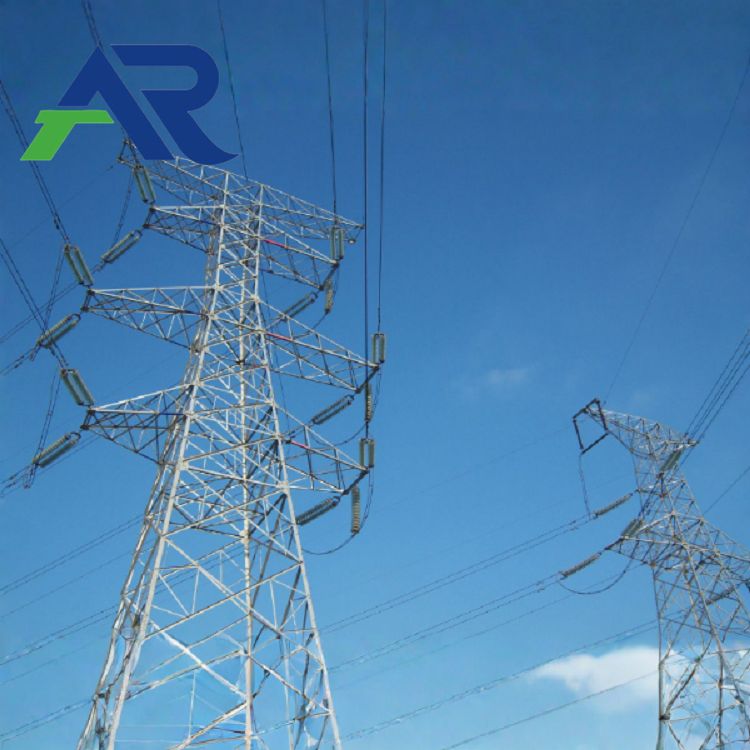
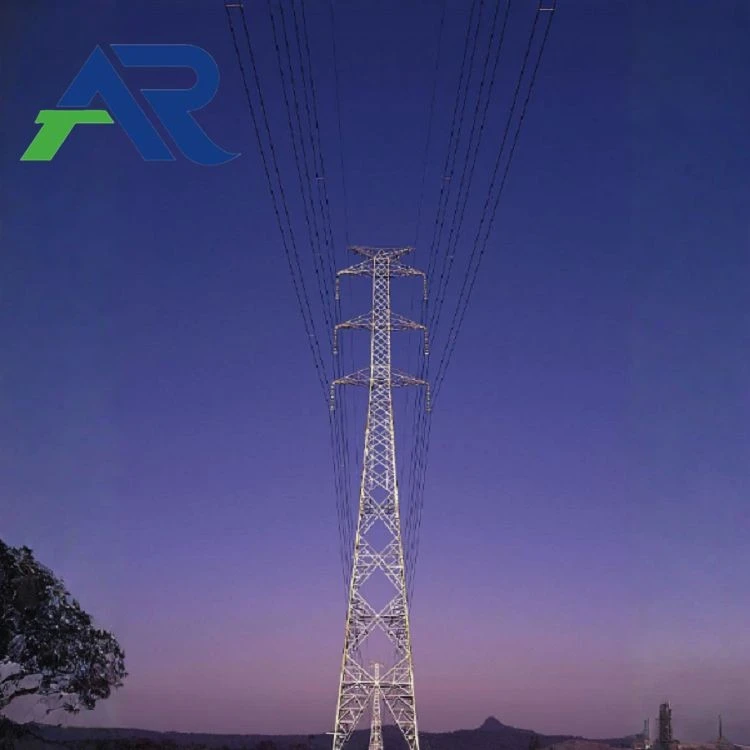
First off, what exactly is an iron tower? Well, iron towers come in different types. There are Iron Towers, which are used in various applications. Then there are Electrical Tower, mainly for supporting electrical wires, and Electric Power Tower that play a crucial role in the power transmission network.
The structural stability of an iron tower is super important. It's what keeps the tower standing strong, no matter what nature throws at it. Think about it - these towers are out in the open, dealing with all kinds of weather conditions, from strong winds to heavy snow.
One of the key factors in ensuring structural stability is the design. A well - designed iron tower takes into account the loads it will bear. There are dead loads, which are the weight of the tower itself, including all its components like the steel bars, bolts, and any attached equipment. Then there are live loads. For electrical towers, this could be the weight of the electrical wires, transformers, or other devices mounted on the tower.
Wind is another major factor. Strong winds can put a lot of stress on an iron tower. To counter this, engineers use aerodynamic design principles. They shape the tower in a way that reduces the wind resistance. For example, some towers have a lattice - like structure. This not only makes the tower lighter but also allows the wind to pass through easily, reducing the overall wind force acting on the tower.
The foundation of an iron tower is like its feet. A solid foundation is essential for stability. The type of foundation depends on the soil conditions at the tower's location. In areas with soft soil, deep foundations might be required. These could be piles that are driven deep into the ground to reach more stable soil layers. On the other hand, in areas with firm soil, a shallow spread foundation might be sufficient. The foundation also needs to be properly anchored to prevent the tower from tipping over.
Material quality is also a big deal. We use high - quality steel for our iron towers. The steel needs to have good strength and ductility. Strength ensures that the tower can withstand the loads, while ductility allows the steel to deform slightly under stress without breaking. This is important because it gives the tower some flexibility to absorb the energy from external forces, like earthquakes or strong winds.
During the manufacturing process, we pay close attention to the quality control. All the components are carefully fabricated and inspected. The welding and bolting processes are done with precision. A loose bolt or a faulty weld can compromise the entire structural integrity of the tower.
Once the tower is installed, regular maintenance is necessary. Over time, the tower can be affected by corrosion. Corrosion weakens the steel, reducing its strength. So, we recommend applying anti - corrosion coatings to protect the tower. Regular inspections are also carried out to check for any signs of damage, such as cracks in the steel or loose connections.
Now, let's talk about how we test the structural stability of our iron towers. Before a tower is put into use, we conduct various tests. There are computer simulations that can model how the tower will behave under different loads and conditions. We also do physical tests on small - scale models. These tests help us identify any potential issues and make adjustments to the design if needed.
In the real world, we have seen the importance of structural stability time and time again. A stable tower ensures the continuous operation of the power grid. For electrical towers, any failure can lead to power outages, which can have a huge impact on people's lives and businesses.
As an iron tower supplier, we are committed to providing high - quality, stable towers. We work closely with engineers and designers to ensure that every tower we produce meets the highest standards of structural stability.
If you're in the market for iron towers, whether it's for an electrical project or other applications, don't hesitate to reach out. We can offer you a wide range of options, customized to your specific needs. We'll work with you from the design stage all the way to installation and after - sales support. Let's have a chat about your project and see how we can help you get the best iron towers for your requirements.
References
- "Structural Engineering Handbook"
- "Design and Construction of Steel Transmission Towers"
- Industry research reports on iron tower technology and stability