

Adding a flue to a cluster chimney is a significant decision that requires careful consideration of various factors. As a provider of cluster chimneys, I've encountered numerous inquiries regarding the costs associated with this modification. In this blog, I'll delve into the key elements that influence the cost of adding a flue to a cluster chimney, providing you with a comprehensive understanding of what to expect.
Understanding Cluster Chimneys
Before discussing the cost of adding a flue, it's essential to understand what cluster chimneys are. Cluster chimneys are designed to accommodate multiple flues within a single structure. They are commonly used in industrial settings, commercial buildings, and large residential complexes where multiple heating or ventilation systems are in operation. These chimneys offer several advantages, including space efficiency, reduced construction costs compared to individual chimneys, and improved aesthetic appeal.
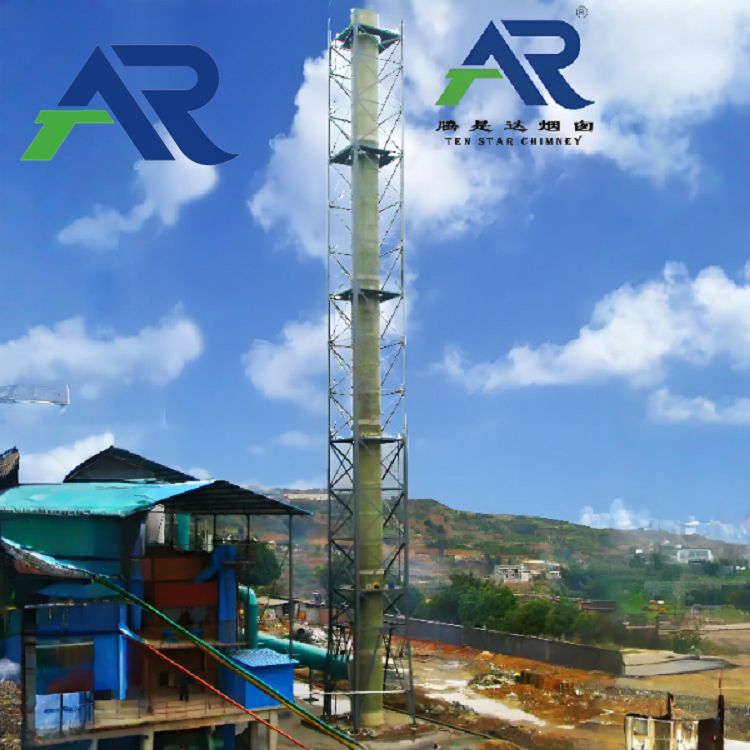
There are different types of cluster chimneys available in the market, each with its own set of features and cost implications. For instance, Titanium Steel Composite Plate Chimney is known for its high corrosion resistance and durability, making it suitable for harsh industrial environments. Stainless Steel Chimneys are also popular due to their strength and relatively lower cost. Fiberglass Chimney is lightweight and offers excellent insulation properties, which can help in reducing energy costs.
Factors Affecting the Cost of Adding a Flue
1. Material Costs
The choice of material for the new flue is one of the most significant factors influencing the overall cost. Different materials have different prices, durability, and performance characteristics. For example, titanium steel composite plates are more expensive than stainless steel, but they offer superior corrosion resistance, which can be crucial in environments where the flue will be exposed to corrosive gases or chemicals. Fiberglass, on the other hand, is generally less expensive than metal materials but may not be suitable for high-temperature applications.

2. Size and Design of the Flue
The size and design of the new flue also play a crucial role in determining the cost. A larger flue will require more materials and labor to install, increasing the overall cost. Additionally, if the design of the flue is complex, such as having bends, elbows, or special shapes, it will require more precise fabrication and installation, which can also add to the cost.
3. Installation Requirements
The installation process of the new flue can vary depending on the existing cluster chimney and the building's structure. If the cluster chimney needs to be modified to accommodate the new flue, such as cutting holes or reinforcing the structure, it will increase the labor and material costs. Moreover, the location of the installation can also affect the cost. For example, if the installation is in a hard-to-reach area or requires special equipment, such as scaffolding or cranes, it will add to the overall expense.
4. Permits and Regulations
Before adding a flue to a cluster chimney, it's necessary to obtain the required permits from the local authorities. The cost of these permits can vary depending on the location and the specific requirements of the project. Additionally, the installation must comply with local building codes and regulations, which may require additional design work or safety features, further increasing the cost.
5. Labor Costs
The cost of labor is another significant factor. Skilled labor is required to install the new flue safely and correctly. The labor cost can vary depending on the region, the complexity of the installation, and the experience of the workers. In some cases, it may be necessary to hire specialized contractors who have experience in working with cluster chimneys and flue installations.
Cost Estimation
While it's difficult to provide an exact cost without knowing the specific details of the project, I can offer a general cost range. For a basic flue installation in a standard cluster chimney using stainless steel material, the cost can range from a few thousand dollars to tens of thousands of dollars. This estimate includes the cost of materials, labor, and permits. However, if the project involves more complex factors, such as using high-end materials, modifying the existing chimney, or working in a challenging environment, the cost can be significantly higher.
Benefits of Adding a Flue
Despite the costs involved, adding a flue to a cluster chimney can offer several benefits. It can improve the efficiency of the heating or ventilation systems by providing a dedicated pathway for the exhaust gases. This can lead to reduced energy consumption and lower operating costs in the long run. Additionally, a properly installed flue can enhance the safety of the building by ensuring that the exhaust gases are safely vented outside, reducing the risk of carbon monoxide poisoning and other hazards.
Conclusion
Adding a flue to a cluster chimney is a complex project that requires careful planning and consideration. The cost can vary widely depending on several factors, including the material, size, installation requirements, permits, and labor. As a cluster chimney supplier, I recommend consulting with a professional before making a decision. Our team of experts can provide you with a detailed cost estimate and help you choose the most suitable flue for your needs.
If you're interested in adding a flue to your cluster chimney or have any questions about our products and services, please feel free to reach out to us. We're here to assist you in making the best decision for your project.
References
- Building codes and regulations from local authorities.
- Industry standards for chimney and flue installations.
- Manufacturer's specifications for different chimney and flue materials.