

Hey there! As a lighting pole supplier, I've been in the industry for quite some time, and I've seen the ins and outs of different types of lighting poles. Today, I want to talk about the disadvantages of using steel lighting poles. Now, don't get me wrong, steel lighting poles have their perks, like being strong and durable. But they also come with a few drawbacks that you should know about before making a decision.
High Initial Cost
One of the biggest disadvantages of steel lighting poles is the high initial cost. Steel is an expensive material, and the manufacturing process for steel lighting poles can be quite complex. This means that you'll have to shell out a significant amount of money upfront to purchase steel lighting poles for your project. For small-scale projects or budget-conscious customers, this can be a major deterrent.
Compared to other materials like aluminum or fiberglass, steel lighting poles can cost up to 30% more. This price difference can really add up, especially if you're looking to install a large number of lighting poles. So, if you're working with a tight budget, you might want to consider other options.
Corrosion and Rust
Another major issue with steel lighting poles is their susceptibility to corrosion and rust. Steel is made primarily of iron, which reacts with oxygen in the presence of moisture to form rust. This can be a big problem, especially in areas with high humidity, saltwater exposure, or harsh weather conditions.
Over time, rust can weaken the structure of the lighting pole, making it less stable and more prone to failure. This not only poses a safety risk but also increases the maintenance costs. You'll have to regularly inspect the poles for signs of rust and apply protective coatings to prevent further corrosion. If the rust is left untreated, it can spread quickly and cause significant damage to the pole, eventually requiring replacement.
Heavyweight
Steel lighting poles are also quite heavy, which can make them difficult to transport and install. The weight of the poles requires specialized equipment and machinery for handling, which can add to the overall cost of the project. Additionally, the heavyweight of the poles can make them more challenging to install in certain locations, such as areas with soft soil or limited access.
During the installation process, the heavy poles need to be carefully positioned and secured to ensure stability. This can be time-consuming and labor-intensive, especially if the installation site is difficult to reach. Moreover, the weight of the poles can also put additional stress on the foundation, requiring a more robust and expensive foundation design.
Environmental Impact
The production of steel has a significant environmental impact. The manufacturing process involves extracting iron ore from the ground, which can lead to habitat destruction and soil erosion. Additionally, the smelting and refining of iron ore require large amounts of energy, primarily from fossil fuels, which contribute to greenhouse gas emissions and climate change.
When it comes to disposal, steel lighting poles can also pose a problem. If not properly recycled, they can end up in landfills, taking up valuable space and potentially leaching harmful chemicals into the environment. While steel is recyclable, the recycling process also requires energy and resources.
Limited Aesthetic Options
Steel lighting poles typically have a more industrial and utilitarian look, which may not be suitable for all applications. If you're looking for a lighting pole that can enhance the aesthetic appeal of a particular area, such as a park, a residential neighborhood, or a commercial district, steel poles may not be the best choice.
Compared to other materials like aluminum or fiberglass, which can be easily molded into various shapes and designs, steel poles have limited aesthetic options. They usually come in standard shapes and finishes, which may not match the overall design concept of your project.
Higher Maintenance Requirements
As mentioned earlier, steel lighting poles require regular maintenance to prevent corrosion and rust. This includes inspecting the poles for damage, cleaning them, and applying protective coatings. The maintenance schedule can vary depending on the location and environmental conditions, but in general, steel poles need to be inspected at least once a year.
In addition to corrosion prevention, steel poles may also require occasional repairs due to damage from weather, vandalism, or vehicle collisions. These repairs can be costly and time-consuming, especially if they involve replacing large sections of the pole.

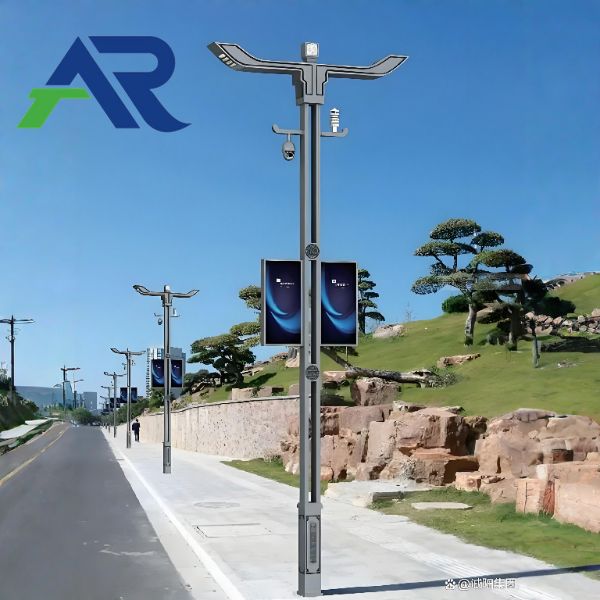
Impact on Traffic Signal and Smart Lighting Systems
If you're considering using steel lighting poles for traffic signal or smart lighting systems, there are a few additional disadvantages to keep in mind. Steel is a good conductor of electricity, which means it can interfere with the electrical signals of traffic sensors and smart lighting controls. This can lead to malfunctions and inaccurate readings, affecting the performance of the traffic signal or smart lighting system.
Moreover, the heavyweight of steel poles can make it more challenging to install and maintain the additional equipment required for traffic signal and smart lighting systems. The poles need to be able to support the weight of the sensors, cameras, and other devices without compromising their stability.
Conclusion
Despite these disadvantages, steel lighting poles still have their place in the industry. They are strong, durable, and can withstand high winds and heavy loads. However, it's important to carefully consider the drawbacks before making a decision. If you're in an area with a low risk of corrosion, have a large budget, and don't mind the industrial look, steel lighting poles may be a suitable option for you.
But if you're looking for a more cost-effective, aesthetically pleasing, and environmentally friendly alternative, you might want to explore other materials like aluminum or fiberglass. There are various types of lighting poles available in the market, each with its own set of advantages and disadvantages. You can check out Traffic Signal Pole Types, Smart Light Pole, and Municipal Light Pole to learn more about different options.
If you're still unsure which type of lighting pole is right for your project, or if you have any questions about our products, feel free to reach out. We're here to help you make the best decision for your lighting needs. Whether you're a contractor, a municipality, or a business owner, we can provide you with the information and support you need to ensure a successful project.
References
- "The Corrosion of Steel: Causes and Prevention." Journal of Materials Science.
- "Environmental Impact of Steel Production." Environmental Science and Technology.
- "Installation and Maintenance of Lighting Poles." Lighting Industry Handbook.