

As a supplier of landscape chimneys, one of the most frequently asked questions I encounter from customers is about the minimum distance a landscape chimney should be from a building. This is a crucial consideration for both safety and aesthetic reasons. In this blog post, I will delve into the factors that determine this distance and provide some guidelines based on industry standards and best practices.
Understanding the Importance of Distance
The distance between a landscape chimney and a building is not just a matter of aesthetics; it is primarily about safety. Chimneys expel hot gases and sparks, which can pose a fire hazard if they come into contact with a building's structure. Additionally, the heat radiated from the chimney can cause damage to nearby materials, such as siding, roofing, and insulation. Therefore, maintaining an appropriate distance is essential to prevent potential fire risks and structural damage.
Factors Affecting the Minimum Distance
Several factors influence the minimum distance a landscape chimney should be from a building. These include:
1. Chimney Type and Design
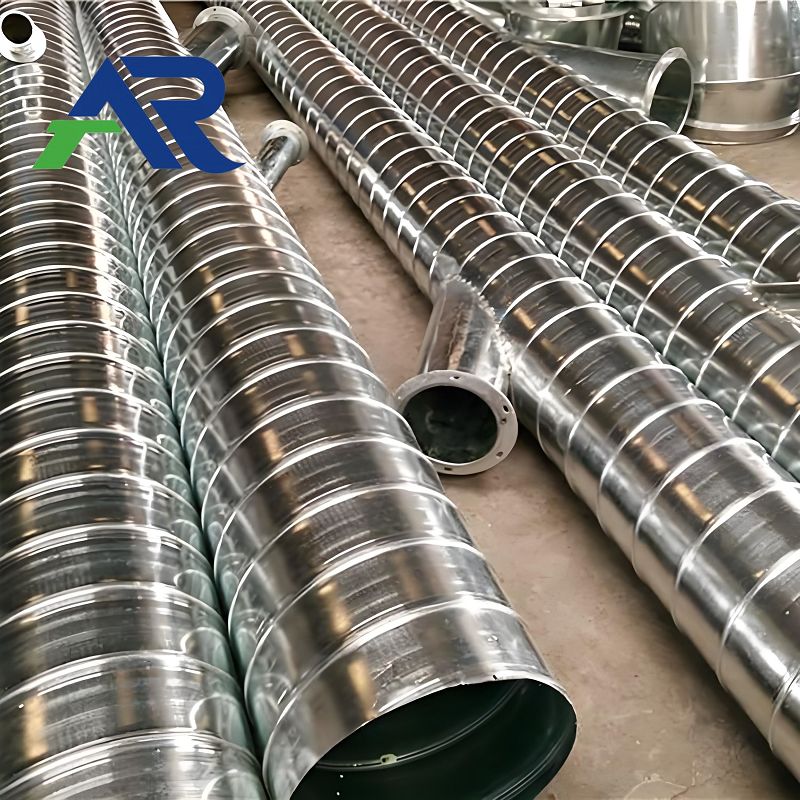
Different types of chimneys have different heat outputs and safety requirements. For example, a Double-layer Insulation Chimney is designed to reduce heat transfer and minimize the risk of fire. As a result, it may require a shorter minimum distance from a building compared to a non-insulated chimney. Similarly, the height and diameter of the chimney can also affect the distance, as taller and wider chimneys may produce more heat and require more space.

2. Building Materials and Construction
The materials used in the construction of the building play a significant role in determining the minimum distance. Buildings made of fire-resistant materials, such as brick, stone, or concrete, can generally tolerate a closer proximity to a chimney than those made of wood or other combustible materials. Additionally, the presence of insulation and fire barriers in the building can also reduce the risk of fire and allow for a shorter distance.
3. Local Building Codes and Regulations
Local building codes and regulations often specify the minimum distance requirements for chimneys based on safety standards and fire prevention guidelines. These codes may vary depending on the location, type of building, and intended use of the chimney. It is essential to consult with local authorities or a professional contractor to ensure compliance with these regulations.
4. Wind and Weather Conditions
Wind and weather conditions can also affect the dispersion of hot gases and sparks from the chimney. In areas with high winds, the minimum distance may need to be increased to prevent the spread of fire. Similarly, in regions prone to extreme weather conditions, such as heavy rain or snow, additional precautions may be necessary to protect the chimney and the building.
Industry Standards and Guidelines
While local building codes provide the minimum requirements for chimney installation, there are also some industry standards and guidelines that can be used as a reference. The National Fire Protection Association (NFPA) recommends a minimum distance of 10 feet between a chimney and any combustible material, including the building's structure, decks, and overhanging eaves. However, this distance may need to be increased depending on the factors mentioned above.
In addition to the NFPA guidelines, many manufacturers of landscape chimneys also provide their own recommendations for the minimum distance based on the specific design and performance of their products. It is important to follow these recommendations to ensure the safe and proper operation of the chimney.
Calculating the Minimum Distance
To determine the minimum distance for a landscape chimney, it is necessary to consider all of the factors mentioned above. A professional contractor or chimney installer can perform a site assessment and calculate the appropriate distance based on the specific conditions of the location. This may involve measuring the height and diameter of the chimney, evaluating the building materials and construction, and considering the local wind and weather conditions.
In general, a good rule of thumb is to maintain a minimum distance of at least 3 feet between the chimney and any combustible material. However, this distance may need to be increased depending on the type of chimney, the building materials, and the local building codes. It is always better to err on the side of caution and provide more space between the chimney and the building to ensure maximum safety.
Case Studies and Examples
To illustrate the importance of maintaining the appropriate distance between a landscape chimney and a building, let's consider a few case studies and examples.
Case Study 1: Residential Property
A homeowner in a suburban area installs a landscape chimney in their backyard. The chimney is a Double-layer Insulation Chimney with a height of 10 feet and a diameter of 18 inches. The building is a two-story house made of wood framing with vinyl siding. The local building code requires a minimum distance of 10 feet between the chimney and the building.
Based on the manufacturer's recommendations and the site assessment, the contractor determines that a distance of 12 feet is necessary to ensure the safe operation of the chimney. The chimney is installed at this distance, and the homeowner enjoys using it for outdoor gatherings and entertainment without any issues.
Case Study 2: Commercial Property
A restaurant owner in a downtown area decides to install a landscape chimney on their rooftop patio. The chimney is a Chimney in Factory with a height of 15 feet and a diameter of 24 inches. The building is a multi-story commercial building made of concrete and steel. The local building code requires a minimum distance of 15 feet between the chimney and any adjacent building.
Due to the limited space on the rooftop, the contractor consults with the local fire department and the building engineer to determine the feasibility of installing the chimney. After a thorough analysis, it is determined that a distance of 18 feet is necessary to ensure the safety of the building and the surrounding area. The chimney is installed at this distance, and the restaurant is able to offer a unique dining experience to its customers.
Conclusion
In conclusion, the minimum distance a landscape chimney should be from a building is a critical consideration for both safety and aesthetic reasons. It is influenced by several factors, including the chimney type and design, building materials and construction, local building codes and regulations, and wind and weather conditions. By following industry standards and guidelines and consulting with a professional contractor, you can ensure that your landscape chimney is installed at a safe distance from your building.
If you are interested in purchasing a landscape chimney for your property, I encourage you to contact us for more information. Our team of experts can help you select the right chimney for your needs and ensure that it is installed safely and correctly. We offer a wide range of Transmission Line Tower, Double-layer Insulation Chimney, and Chimney in Factory options to suit any style and budget. Contact us today to start the conversation and explore your options.
References
- National Fire Protection Association (NFPA). (Year). NFPA 211: Standard for Chimneys, Fireplaces, Vents, and Solid-Fuel-Burning Appliances.
- Local Building Codes and Regulations. (Year). Obtained from local authorities or building department.
- Manufacturer's Recommendations. (Year). Provided by the chimney manufacturer.