
Hey there! I'm a supplier of Municipal Light Poles, and I've been thinking a lot about how these structures impact wildlife. You might not give it much thought, but those light poles we put up all over the place can have some pretty significant effects on the critters that share our cities and towns.
First off, let's talk about the obvious one: light pollution. When we install these Municipal Light Poles, we're essentially shining bright lights into the night sky. For many animals, this can really mess up their natural rhythms. Birds, for example, rely on the stars and the moon to navigate during their migrations. But all that artificial light from our poles can disorient them. They might end up flying in circles or getting off course, which can lead to exhaustion and even death. Some studies have shown that migrating birds are more likely to collide with buildings and other structures when there's a lot of light pollution.
Bats are another group that's affected by light pollution. They're nocturnal creatures, meaning they're active at night. The bright lights from our poles can disrupt their hunting patterns. Insects, which are a major food source for bats, are attracted to light. So, when there are a bunch of light poles around, the insects gather around the lights, and the bats have to change their normal flight paths to find them. This can make it harder for bats to get enough to eat, and it can also put them at risk of being hit by cars or other hazards as they fly closer to human - populated areas.
Reptiles and amphibians are also in the mix. Many of these animals are most active at night, too. The light from Municipal Light Poles can interfere with their breeding and foraging behaviors. For example, sea turtles hatch on the beach at night and use the natural light of the moon reflecting off the ocean to guide them to the water. But if there are bright lights from nearby light poles, the baby turtles can get confused and head in the wrong direction, often towards roads or other dangerous areas.
Now, it's not all doom and gloom. There are ways we can mitigate these effects. One option is to use Smart Light Poles. These poles are equipped with advanced technology that can adjust the brightness of the lights based on the time of day, the presence of people, or even the weather. You can check out more about Smart Light Poles here. By dimming the lights during the times when wildlife is most active, we can reduce the impact of light pollution.
Another thing we can do is choose the right type of light. Different wavelengths of light have different effects on wildlife. For example, blue - rich white light is particularly disruptive to many animals. So, using lights with a warmer color temperature can be a better option. This way, we can still provide the necessary illumination for human safety and convenience while causing less harm to the wildlife.
As a supplier of Municipal Light Poles, I'm really interested in finding solutions that work for both humans and animals. We need these light poles for safety reasons, like helping people see at night and reducing crime. But we also have a responsibility to protect the environment and the wildlife that lives in it.
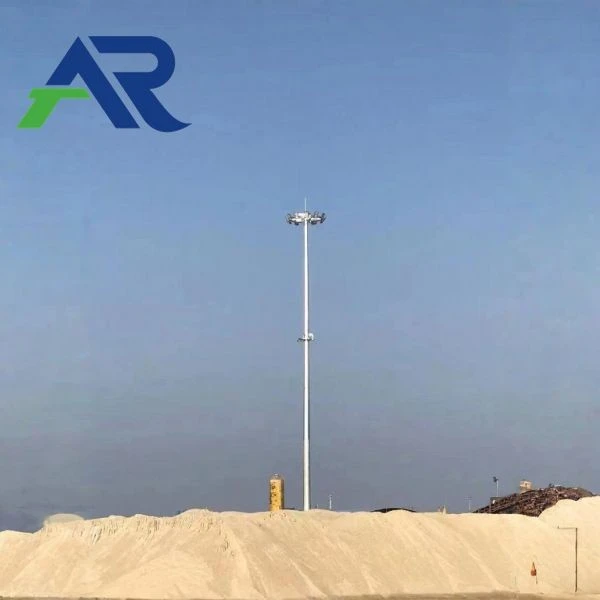
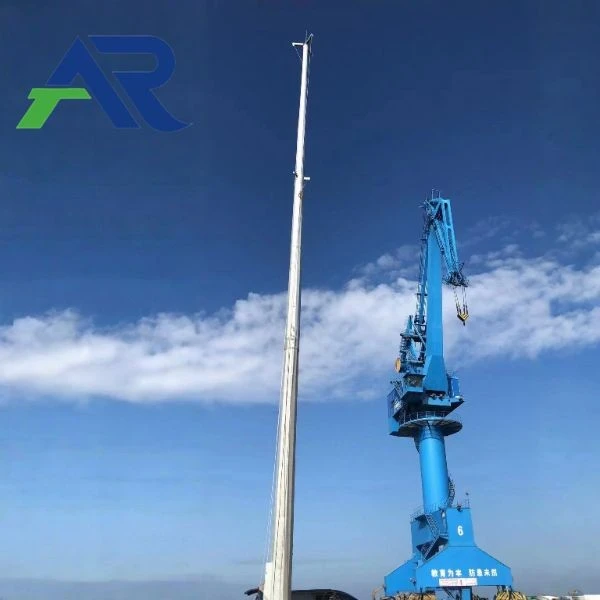
When it comes to the design of the poles themselves, there are some considerations as well. Some types of poles can provide perches or nesting sites for birds. However, we need to be careful that these structures don't become a hazard. For example, if a pole has sharp edges or is unstable, it could pose a risk to the birds.
Traffic Signal Pole Types also play a role in the overall lighting situation in our municipalities. Different types of traffic signal poles have different lighting setups. Some might have more lights or brighter lights than others. You can learn more about Traffic Signal Pole Types here. By choosing the right traffic signal poles, we can manage the amount of light in an area more effectively.
We can also work on better placement of the light poles. Instead of randomly placing them all over the place, we can do some research on the local wildlife habitats. For example, if there's a wetland area nearby, we can avoid putting a lot of light poles right next to it. This way, we can minimize the impact on the animals that live there.
As a supplier, I'm always looking for ways to improve our products to be more wildlife - friendly. I think it's important for us in the industry to take these issues seriously. After all, we're all part of the same ecosystem, and we need to find a balance between our human needs and the needs of the wildlife.
If you're a municipality or an organization looking to upgrade or install new light poles, I'd love to have a chat with you. We can discuss how we can choose the right Municipal Light Poles that are not only functional but also have a minimal impact on wildlife. You can find out more about our Municipal Light Poles here. Whether it's about the type of light, the design of the pole, or the placement, we can work together to come up with the best solution for your area.
In conclusion, Municipal Light Poles do have an impact on wildlife, but with the right strategies and technologies, we can reduce this impact. By being more aware of these issues and taking proactive steps, we can create a more sustainable and wildlife - friendly environment in our cities and towns. So, if you're in the market for light poles, don't hesitate to reach out and start a conversation about how we can make it work for everyone.
References
- Longcore, T., & Rich, C. (2004). Ecological light pollution. Frontiers in Ecology and the Environment, 2(4), 191 - 198.
- Gaston, K. J., Davies, T. W., Bennie, J., & Hopkins, J. (2013). The ecological impacts of nighttime light pollution: a mechanistic appraisal. Journal of Applied Ecology, 50(5), 1119 - 1127.
- Salmon, M., & Witherington, B. E. (1995). Effects of artificial lighting on sea - turtle hatchlings: A review and synthesis. Herpetological Conservation and Biology, 1(1), 44 - 55.