

Hey there! I'm a supplier of factory chimneys, and today I wanna chat about how factory chimneys interact with other industrial structures. It's a topic that's super important in the industrial world, and I've seen firsthand how these interactions can make or break a factory's operations.
The Basics of Factory Chimneys
First off, let's talk a bit about what factory chimneys do. They're not just these big, tall pipes sticking out of the ground. Factory chimneys are crucial for getting rid of waste gases and particulate matter produced during industrial processes. They work by creating a draft that pulls the pollutants up and out of the factory, dispersing them into the atmosphere.
You can check out more about the role of chimneys in a factory here: Chimney in Factory.
Interaction with Boilers and Furnaces
One of the most common interactions is between factory chimneys and boilers or furnaces. These heating systems produce a ton of hot gases and smoke as by - products of burning fuel. The chimney acts as an exhaust for these emissions.
The boiler or furnace is designed to transfer heat to the industrial process, like heating water for steam generation or melting metals. As the fuel burns, the hot gases need to go somewhere. That's where the chimney comes in. It provides a pathway for these gases to escape.
The connection between the boiler/furnace and the chimney has to be air - tight. If there are leaks, it can lead to a loss of efficiency. The hot gases might not flow properly up the chimney, and the factory could end up wasting fuel. Also, a leaky connection can be a safety hazard, as it can allow toxic gases to seep into the factory environment.
Working with Ventilation Systems
Factory chimneys also interact closely with ventilation systems. Ventilation systems are used to keep the air inside the factory clean and fresh. They remove stale air, fumes, and dust from the work areas.
Some of the air that's removed by the ventilation system is directed towards the chimney. The chimney then helps to expel this air into the atmosphere. In some cases, the ventilation system and the chimney work together to create a more efficient airflow pattern.
For example, in a large manufacturing plant, the ventilation system might collect air from different parts of the factory and channel it to a central point near the base of the chimney. The chimney's draft then helps to pull this air up and out. This combined system ensures that the factory has a constant supply of fresh air and that pollutants are effectively removed.
You can learn more about different types of factory - built chimneys here: Factory Built Chimney.
Interaction with Storage Tanks and Silos
Storage tanks and silos are another important part of the industrial landscape. They're used to store raw materials, finished products, or fuels. Chimneys can interact with these structures in a few ways.
In some industries, like the chemical industry, storage tanks might release small amounts of vapors. These vapors need to be vented safely. Sometimes, the chimney can be used as a part of the venting system for these tanks. The vapors are collected and then directed towards the chimney, where they're dispersed into the atmosphere.
Silos, which are often used to store grains or powders, can also benefit from the chimney's draft. When these materials are being loaded or unloaded, dust can be generated. The ventilation system in the silo area can work with the chimney to remove this dust. The chimney's draft helps to pull the dust - laden air up and out, keeping the area around the silos clean.
Impact on the Surrounding Landscape
Factory chimneys don't just interact with other industrial structures; they also have an impact on the surrounding landscape. They can be a prominent visual feature in an industrial area.
The height and design of the chimney can affect how pollutants are dispersed. A taller chimney can disperse pollutants over a larger area, reducing the concentration of pollutants near the factory. However, it also means that the pollutants can travel further and potentially affect a wider region.
The chimney's appearance can also influence the overall aesthetic of the industrial landscape. Some factories choose to design their chimneys in a more visually appealing way, almost like a landmark. You can find more about the landscape aspect of factory chimneys here: Landscape Chimney.
The Importance of Maintenance
All these interactions between factory chimneys and other industrial structures mean that maintenance is crucial. The chimney needs to be inspected regularly to ensure that it's in good working condition.
If the chimney is damaged, it can affect its ability to interact with other structures. For example, a cracked chimney might not create a proper draft, which can impact the performance of the boilers, ventilation systems, etc.
Regular cleaning is also necessary. Over time, soot, ash, and other particulate matter can build up inside the chimney. This can reduce the chimney's efficiency and even cause blockages. A blocked chimney can lead to back - pressure, which can damage the connected equipment.
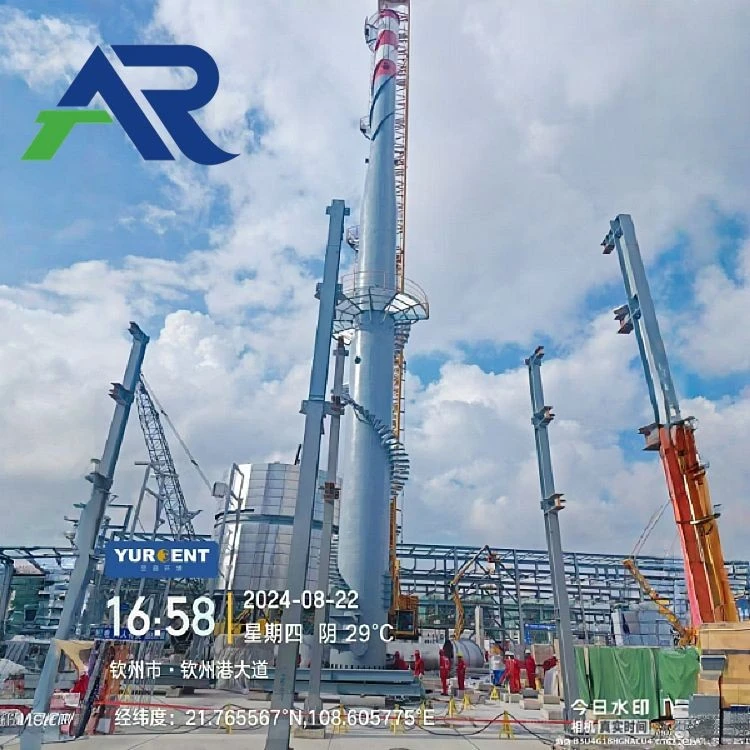

Why Choose Our Factory Chimneys
As a factory chimney supplier, I can tell you that our chimneys are designed to work seamlessly with other industrial structures. We use high - quality materials that are durable and resistant to corrosion. Our chimneys are also engineered to create a strong and consistent draft, which is essential for proper interaction with boilers, ventilation systems, etc.
We offer a range of chimney designs to suit different industrial needs. Whether you have a small workshop or a large - scale manufacturing plant, we can provide the right chimney solution.
If you're in the market for a new factory chimney or need to replace an existing one, I'd love to have a chat with you. We can discuss your specific requirements, the type of industrial structures you have, and how our chimneys can integrate with them. Just reach out, and we can start the conversation about finding the perfect chimney for your factory.
References
- "Industrial Ventilation Handbook"
- "Chimney Design and Installation Guidelines"