
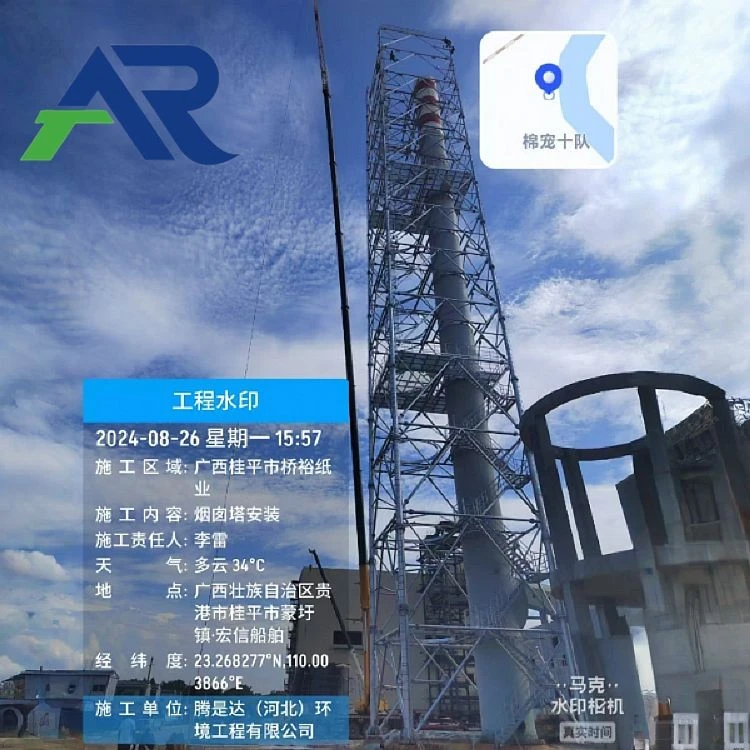
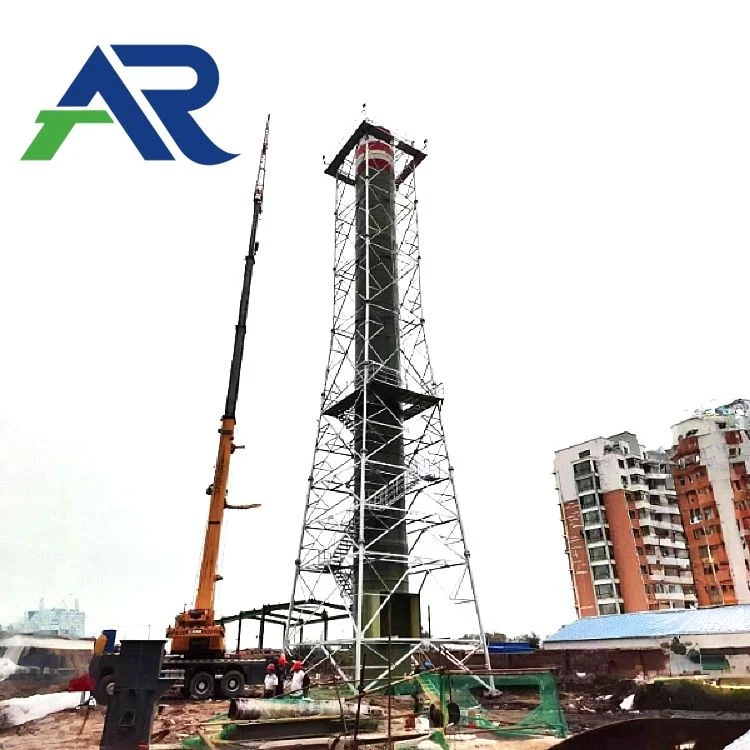
Hey there! As a supplier of tower chimneys, I'm super stoked to dive into the nitty - gritty of what goes on inside these towering structures. Tower chimneys are not just tall pipes sticking out of the ground; they're complex systems designed to handle some pretty tough jobs.
Let's start with the basics. The main purpose of a tower chimney is to remove waste gases, smoke, and other by - products from industrial processes or power generation. To do this effectively, it has a well - thought - out internal structure.
The Liner
One of the most crucial parts of a tower chimney is the liner. The liner is like the inner shield of the chimney. It comes into direct contact with the hot and often corrosive gases that are being expelled. There are different materials used for liners, and each has its own set of advantages.
For instance, we offer Fiberglass Tower Chimney. Fiberglass is a great choice for liners because it's highly resistant to corrosion. Many industrial processes produce acidic gases, and fiberglass can stand up to these harsh chemicals without deteriorating quickly. It's also lightweight, which makes the installation process a lot easier and can reduce the overall structural load on the chimney.
Another option is the liner made from titanium steel composite plates, as seen in our Titanium Steel Composite Plate Tower Chimney. Titanium is known for its excellent corrosion resistance, especially in high - temperature and high - pressure environments. The steel part of the composite provides the necessary strength and stability. This combination makes it ideal for heavy - duty industrial applications where the gases are extremely hot and corrosive.
The Insulation Layer
Next up is the insulation layer. You might be wondering why a chimney needs insulation. Well, there are a few reasons. First of all, it helps to keep the heat inside the chimney. When the hot gases are moving up the chimney, we don't want that heat to escape through the walls. If the heat is lost, the gases will cool down too quickly, which can lead to condensation. Condensation can cause all sorts of problems, like corrosion on the liner and the outer structure of the chimney.
Secondly, insulation also protects the outer shell of the chimney from the high temperatures inside. The outer shell is usually made of materials that can't withstand extremely high temperatures for long periods. The insulation acts as a buffer, preventing the outer shell from overheating and getting damaged.
Common insulation materials include mineral wool and ceramic fiber. Mineral wool is relatively inexpensive and has good thermal insulation properties. It's also fire - resistant, which is a big plus when dealing with hot gases. Ceramic fiber, on the other hand, can handle even higher temperatures and is more flexible. It can be easily shaped to fit the internal contours of the chimney.
The Structural Support
The internal structure of a tower chimney also needs proper structural support. This is what keeps the chimney standing tall and stable. There are usually a series of steel frames or supports inside the chimney. These supports are designed to withstand the weight of the liner, the insulation, and the gases flowing through the chimney.
The supports are strategically placed at regular intervals along the height of the chimney. They help to distribute the weight evenly and prevent any part of the chimney from buckling under the load. In addition to the vertical supports, there are also horizontal braces that add extra stability and prevent the chimney from swaying too much in strong winds.
The Flue Gas Path
The flue gas path is the route that the waste gases take through the chimney. It's designed to be as smooth as possible to ensure efficient flow. A smooth flue gas path reduces the resistance that the gases encounter as they move up the chimney. This means that the gases can flow more freely, and the overall performance of the chimney is improved.
To achieve a smooth flue gas path, the internal walls of the chimney are often made as straight and free of obstructions as possible. Any sharp corners or rough surfaces can cause turbulence in the gas flow, which can slow down the movement of the gases and increase the energy required to expel them.
The Monitoring and Control Systems
Modern tower chimneys are also equipped with monitoring and control systems. These systems are installed inside the chimney to keep an eye on various parameters such as temperature, pressure, and gas composition.
Temperature sensors are placed at different points along the flue gas path. They help to ensure that the temperature of the gases is within the safe operating range. If the temperature gets too high, it could indicate a problem with the industrial process or the chimney itself. Pressure sensors are used to monitor the pressure inside the chimney. Abnormal pressure changes can be a sign of blockages or other issues that need to be addressed.
Gas composition sensors are crucial for environmental compliance. They can detect the presence of harmful pollutants in the waste gases. If the concentration of pollutants exceeds the permitted limits, the control system can trigger alarms or even adjust the industrial process to reduce emissions.
Conclusion
So, there you have it! That's a breakdown of the internal structure of a tower chimney. From the liner that protects against corrosion, to the insulation layer that keeps the heat in, the structural support that holds it all up, the smooth flue gas path, and the monitoring and control systems that ensure everything runs smoothly.
If you're in the market for a tower chimney for your industrial or power generation needs, we've got you covered. Our Fiberglass Tower Chimney and Titanium Steel Composite Plate Tower Chimney are top - notch products designed with the latest technology and highest quality materials.
If you're interested in learning more or discussing your specific requirements, don't hesitate to reach out. We're always happy to have a chat and help you find the perfect tower chimney solution for your project.
References
- Industrial Chimney Design Handbook
- Handbook of Corrosion - Resistant Materials