
Hey there! As a supplier of free standing chimneys, I often get asked, "How long does a free standing chimney last?" Well, that’s not a straightforward question, as there are several factors that can influence the lifespan of these structures. In this blog, I'll break down those factors and give you a better idea of what to expect.
Material Matters
The material your free standing chimney is made of plays a huge role in determining its longevity. Let’s take a look at some common materials and how they stack up.
Stainless Steel
Stainless steel is a popular choice for free - standing chimneys, especially in industrial settings. It’s known for its corrosion resistance, strength, and durability. A well - maintained stainless steel chimney can last anywhere from 20 to 30 years. The key here is the quality of the stainless steel. Higher - grade stainless steel, with a higher chromium and nickel content, will offer better protection against rust and corrosion.
If you're in the market for a stainless steel chimney, check out our Stainless Steel Factory Chimney. We use top - notch stainless steel to ensure maximum durability.
Brick
Brick chimneys have been around for ages. They look great and can be very sturdy. However, they do require more maintenance compared to stainless steel chimneys. Brick chimneys can last 50 years or more if they're properly maintained. But issues like water penetration, which can lead to brick deterioration and mortar cracking, can significantly reduce their lifespan. Regular inspections and repairs are crucial to keep a brick free - standing chimney in good shape.
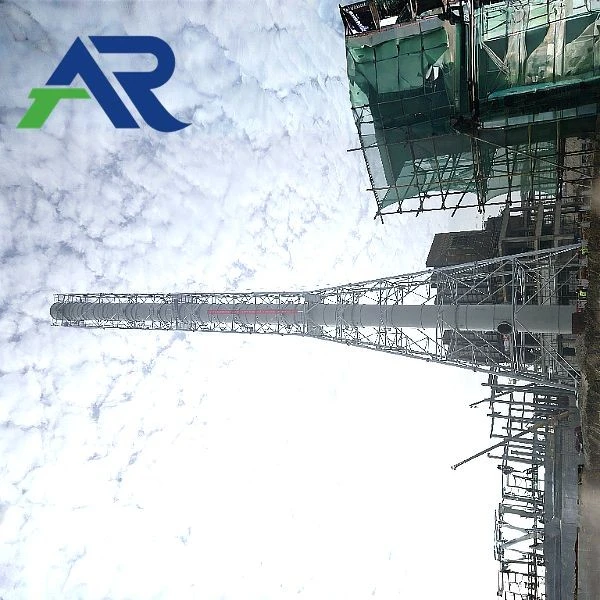
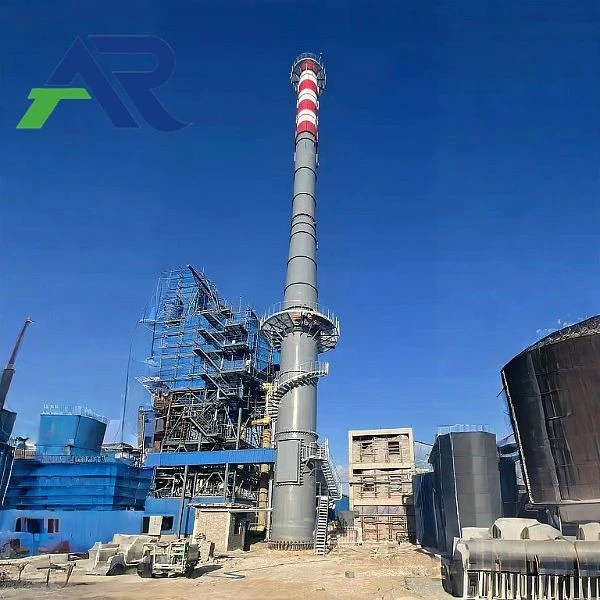
Concrete
Concrete chimneys are extremely strong and can handle a lot of wear and tear. They're often used in large industrial facilities. A well - constructed concrete chimney can have a lifespan of 30 to 50 years. However, like brick chimneys, they're also susceptible to water damage. Cracks in the concrete can allow water to seep in, which can cause internal damage over time.
Environmental Factors
Where your chimney is located and the local environment can have a big impact on its lifespan.
Climate
If you live in an area with a harsh climate, your chimney will face more challenges. For example, in areas with high humidity, chimneys are more likely to experience corrosion. In regions with freezing temperatures, the expansion and contraction of water inside the chimney can cause cracks. Coastal areas are also tough on chimneys because of the salt in the air, which can accelerate corrosion.
Air Quality
Poor air quality, especially in industrial areas, can also take a toll on your chimney. Pollutants in the air can react with the chimney materials, causing corrosion and deterioration. Chimneys in areas with high levels of sulfur dioxide or particulate matter may need more frequent maintenance and may not last as long as those in cleaner environments.
Usage and Maintenance
How you use your chimney and how well you take care of it are perhaps the most important factors in determining its lifespan.
Usage Frequency
If your chimney is used constantly, it will experience more wear and tear compared to one that's used only occasionally. For example, a chimney in a factory that runs 24/7 will have a shorter lifespan than a chimney in a small workshop that's used a few hours a week. The constant heat and pressure can cause the materials to degrade faster.
Maintenance
Regular maintenance is key to extending the life of your free - standing chimney. This includes cleaning the chimney regularly to remove soot and debris, inspecting for cracks and other damage, and making repairs as soon as possible. A neglected chimney can start to develop serious problems in a relatively short period of time, which can lead to costly replacements.
Let's say you have a Single Sleeve Chimney. By following a strict maintenance schedule, you can ensure that it lasts for many years. Similarly, if you own a Multi - sleeve Chimney, proper upkeep is essential to keep all the sleeves in good condition.
Installation Quality
The way your chimney is installed can also affect its lifespan. A poorly installed chimney is more likely to develop problems early on. For example, if the chimney isn't properly anchored to the ground, it can become unstable over time, especially in windy conditions. If the joints aren't sealed correctly, it can allow water and air to penetrate, causing damage to the internal structure.
It's always a good idea to hire a professional to install your free - standing chimney. They have the expertise and experience to ensure that the installation is done correctly, which can add years to the chimney's lifespan.
So, What's the Average Lifespan?
Based on all these factors, it's hard to give a one - size - fits - all answer. But on average, a well - maintained free - standing chimney can last between 20 and 50 years. Of course, if you choose high - quality materials, take good care of your chimney, and have it installed by a professional, you can expect it to last closer to the 50 - year mark.
If you're thinking about getting a free - standing chimney for your property, whether it's for a factory or a small business, we have a wide range of options to suit your needs. Our team of experts can help you choose the right chimney material, design, and installation method to ensure that you get the most out of your investment.
If you have any questions or want to discuss your specific requirements, don't hesitate to reach out to us. We're here to help you make the best decision for your chimney needs.
References
- Building Codes and Standards for Chimneys, National Fire Protection Association
- Durability of Construction Materials, American Society of Civil Engineers