

Yo, folks! I'm a supplier of Stainless Steel Chimneys, and today I wanna chat about the insulation capacity of these bad boys.
So, first off, why does insulation matter in a chimney? Well, a chimney's main job is to safely remove combustion by - products like smoke, gases, and heat from a building. But if it doesn't have good insulation, a whole bunch of issues can pop up. For one, heat loss can be a real pain. When heat escapes through the chimney walls, it means your heating system has to work harder to keep your place warm. That's not only bad for your energy bills but also for the environment.
Another problem is condensation. Without proper insulation, the outer surface of the chimney can get cold, and when warm, moist flue gases come into contact with it, condensation forms. This can lead to corrosion of the chimney materials over time, reducing the chimney's lifespan and potentially causing leaks and structural damage.
Now, let's dig into the insulation capacity of stainless steel chimneys. Stainless steel itself is not a great insulator. It's a metal, and metals are known for being good conductors of heat. But that doesn't mean stainless steel chimneys can't have good insulation. In fact, most modern stainless steel chimneys are designed with insulation layers to improve their performance.

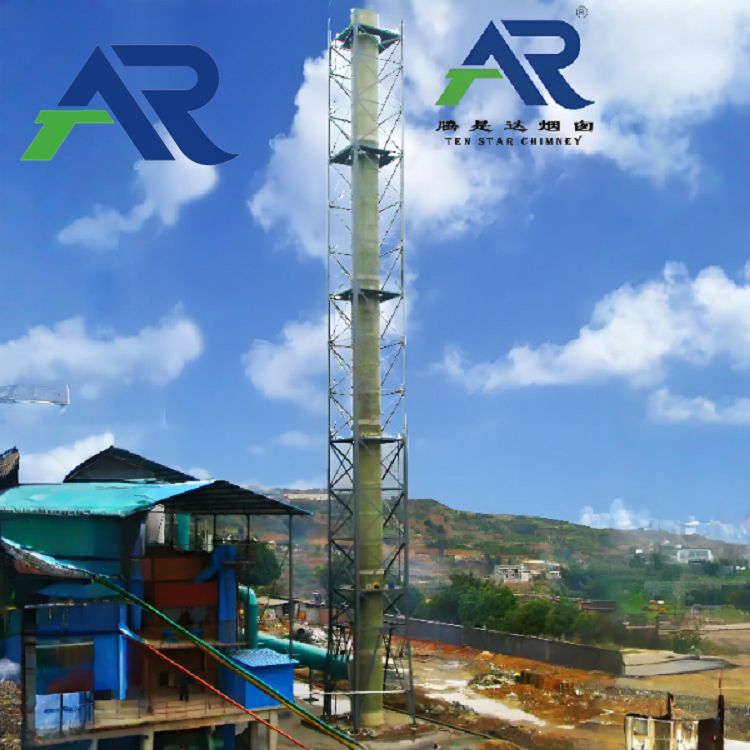
One common type of insulation used in stainless steel chimneys is fiberglass. Fiberglass insulation works by trapping air within its fibers. Air is a poor conductor of heat, so this trapped air helps to slow down the transfer of heat from the inside of the chimney to the outside. It's lightweight, easy to install, and relatively inexpensive. You can check out more about Fiberglass Chimney for detailed information.
Another option is ceramic fiber insulation. Ceramic fibers can withstand extremely high temperatures, making them ideal for chimneys that deal with hot flue gases. They have excellent thermal resistance and can reduce heat loss significantly.
The insulation capacity of a stainless steel chimney is usually measured in terms of its R - value. The R - value is a measure of a material's resistance to heat flow. The higher the R - value, the better the insulation. A well - insulated stainless steel chimney can have an R - value that's high enough to keep the outer surface temperature within a safe range, preventing heat damage to surrounding materials and reducing energy loss.
Let's talk about how the insulation in stainless steel chimneys compares to other types of chimneys. For example, Titanium Steel Composite Plate Chimney. Titanium steel composite plate chimneys also have their own insulation characteristics. Titanium has some unique properties, but in terms of insulation, they often rely on similar insulation materials like fiberglass or ceramic fibers.
Compared to traditional masonry chimneys, stainless steel chimneys with proper insulation can be more energy - efficient. Masonry chimneys are thick and heavy, but they can still lose a fair amount of heat. Stainless steel chimneys, on the other hand, can be designed to have a more compact structure with better - controlled insulation, which means less heat loss.
Now, if you're thinking about buying a chimney, you might be wondering how to choose the right stainless steel chimney with good insulation. First, look at the R - value. A higher R - value means better insulation. Also, consider the type of insulation used. Fiberglass is a good all - around option, but if you have a high - temperature application, ceramic fiber might be a better choice.
You should also think about the installation. A poorly installed chimney, even with good insulation, won't perform well. Make sure to hire a professional installer who has experience with stainless steel chimneys.
As a supplier of Stainless Steel Chimneys, I can tell you that we offer a wide range of options. Our chimneys are designed with high - quality insulation to ensure maximum energy efficiency and durability. Whether you're using it for a residential fireplace or a commercial heating system, we've got you covered.
If you're in the market for a new chimney, I highly recommend considering a stainless steel chimney with proper insulation. It'll save you money in the long run by reducing energy costs and preventing costly repairs. And if you have any questions or want to discuss your specific needs, don't hesitate to reach out. We're here to help you make the best choice for your situation.
In conclusion, the insulation capacity of a stainless steel chimney is crucial for its performance. With the right insulation materials and proper installation, stainless steel chimneys can be a great option for both residential and commercial applications. So, if you're ready to upgrade your chimney or install a new one, give us a shout. We're eager to work with you and provide you with the best stainless steel chimney solution.
References
- Building Science Corporation. "Chimney Insulation Basics."
- American Society of Heating, Refrigerating and Air - Conditioning Engineers (ASHRAE). "Thermal Insulation Handbook."