

Hey there! As a supplier of Single Sleeve Chimneys, I often get asked this burning question: Can a single sleeve chimney cause a fire? Well, let's dive right into it and find out.
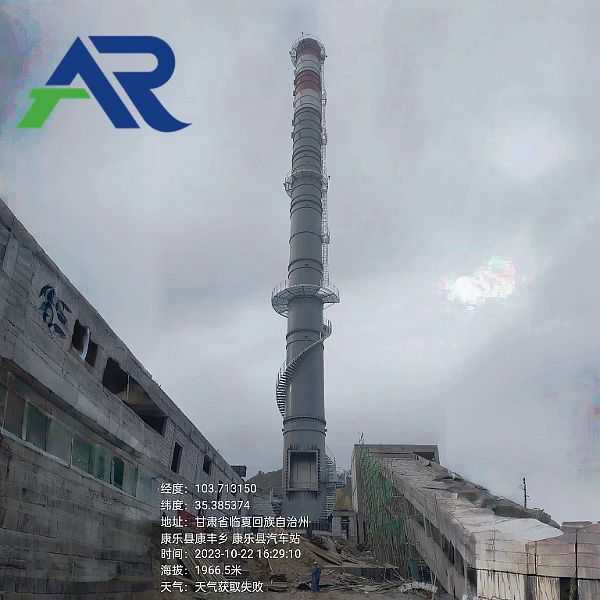
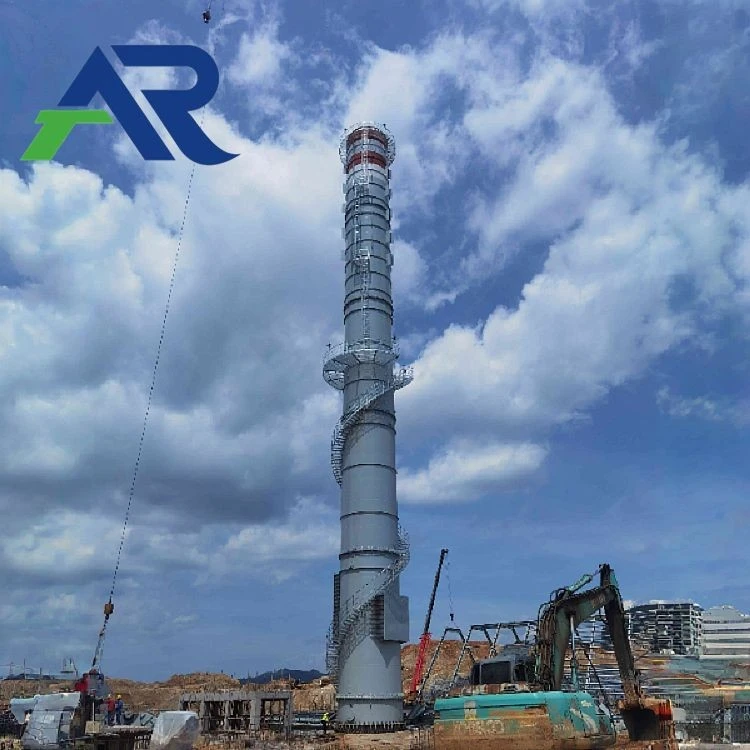
First off, let's understand what a single sleeve chimney is. A Single Sleeve Chimney is a simple yet effective structure used in various industrial and residential settings. It's basically a single pipe that channels exhaust gases from a furnace, boiler, or other heating appliances out of the building. These chimneys are popular due to their straightforward design and relatively low cost.
Now, to answer the big question - yes, a single sleeve chimney can potentially cause a fire, but it's not as common as you might think. There are several factors that can increase the risk of a fire in a single sleeve chimney.
One of the main culprits is creosote buildup. When wood or other fuels are burned, they release a byproduct called creosote. This sticky, tar-like substance can accumulate inside the chimney over time. If the chimney isn't cleaned regularly, the creosote can reach a point where it ignites, causing a chimney fire. Creosote fires can burn extremely hot and spread quickly, posing a serious threat to the building and its occupants.
Another factor is improper installation. If a single sleeve chimney isn't installed correctly, it can lead to a number of problems. For example, if the chimney isn't properly insulated, the heat from the exhaust gases can transfer to nearby combustible materials, such as wood framing or insulation. This can cause these materials to catch fire. Additionally, if the chimney isn't sealed properly, it can allow hot gases or sparks to escape, which can also start a fire.
The type of fuel being burned can also play a role. Some fuels, such as wet wood or coal, produce more creosote than others. Using these fuels in a single sleeve chimney can increase the risk of creosote buildup and subsequent fires.
However, it's important to note that just because a single sleeve chimney has the potential to cause a fire doesn't mean it will. With proper maintenance and installation, the risk can be significantly reduced.
Regular chimney cleaning is essential. It's recommended that you have your single sleeve chimney cleaned at least once a year, or more often if you use your fireplace or heating appliance frequently. A professional chimney sweep can remove the creosote buildup and inspect the chimney for any other issues, such as cracks or damage.
Proper installation is also crucial. Make sure you hire a qualified professional to install your single sleeve chimney. They will ensure that the chimney is installed according to the manufacturer's instructions and local building codes. This includes proper insulation, sealing, and clearances from combustible materials.
In addition to regular cleaning and proper installation, there are other steps you can take to reduce the risk of a fire in your single sleeve chimney. For example, using dry, seasoned wood can help reduce creosote production. You can also install a chimney cap to prevent debris, animals, and rain from entering the chimney.
Now, let's compare single sleeve chimneys to other types of chimneys, such as Multi-sleeve Chimney and Stainless Steel Factory Chimney. Multi-sleeve chimneys typically have better insulation and are designed to handle higher temperatures, which can reduce the risk of heat transfer to nearby combustible materials. Stainless steel factory chimneys are also known for their durability and resistance to corrosion. However, these types of chimneys are often more expensive and may not be necessary for all applications.
Single sleeve chimneys are a cost-effective option for many homeowners and businesses. They can provide reliable exhaust ventilation when installed and maintained properly.
If you're in the market for a single sleeve chimney, I encourage you to consider our products. We offer high-quality single sleeve chimneys that are designed to meet your specific needs. Our chimneys are made from durable materials and are backed by our commitment to customer satisfaction.
If you have any questions or would like to discuss your chimney needs, please don't hesitate to reach out. We're here to help you make the right choice for your home or business.
In conclusion, while a single sleeve chimney can potentially cause a fire, the risk can be minimized with proper maintenance and installation. By taking the necessary precautions, you can enjoy the benefits of a single sleeve chimney without worrying about the threat of a fire.
References
- National Fire Protection Association. (2023). NFPA 211: Standard for Chimneys, Fireplaces, Vents, and Solid-Fuel-Burning Appliances.
- Chimney Safety Institute of America. (2023). Chimney Maintenance and Safety Guidelines.