
The history of tower chimneys is a fascinating journey that spans centuries, reflecting the evolution of human civilization, industrialization, and technological advancements. As a supplier of tower chimneys, I have witnessed firsthand the remarkable changes and innovations in this field. In this blog, I will take you through the rich history of tower chimneys, exploring their origins, development, and modern applications.
Origins of Tower Chimneys
The concept of using chimneys dates back to ancient times. Early humans discovered that creating a vertical passage for smoke to escape from a fire could improve ventilation and reduce the accumulation of smoke inside dwellings. The first chimneys were simple structures, often made of stone or clay, and were primarily used in residential settings.
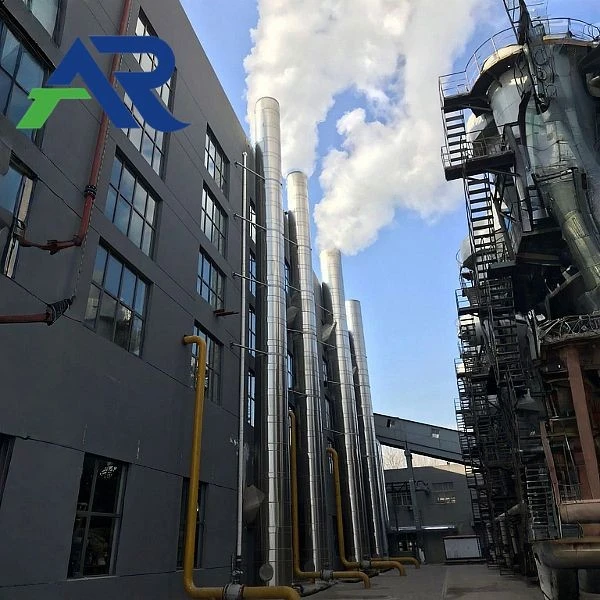
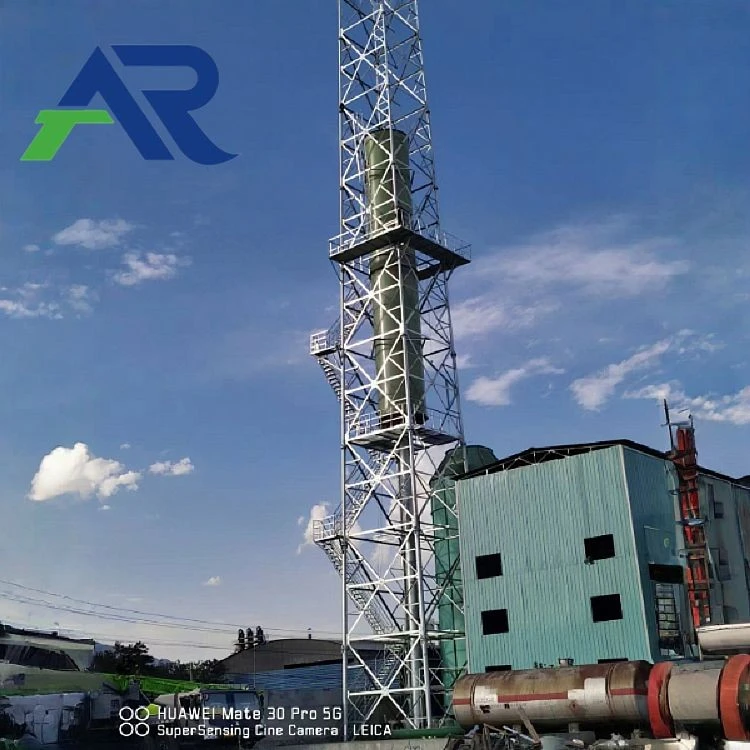
As human settlements grew and industrial activities began to emerge, the need for more efficient chimney systems became apparent. In the Middle Ages, large-scale manufacturing processes such as metalworking, glassmaking, and brewing required the use of furnaces and kilns, which produced significant amounts of smoke and heat. To address these challenges, tower chimneys were developed.
The earliest tower chimneys were relatively small and simple, constructed from brick or stone. They were typically located near industrial facilities and were designed to carry smoke and pollutants away from the immediate area. These early chimneys played a crucial role in improving air quality and reducing the health risks associated with industrial emissions.
The Industrial Revolution and the Rise of Tower Chimneys
The Industrial Revolution, which began in the 18th century, marked a significant turning point in the history of tower chimneys. With the rapid growth of factories and manufacturing plants, the demand for larger and more efficient chimney systems increased exponentially. Tower chimneys became a symbol of industrial progress and were essential for the operation of steam engines, boilers, and other industrial equipment.
During this period, technological advancements in chimney design and construction led to the development of taller and more sophisticated tower chimneys. Engineers began to use new materials such as cast iron and steel, which offered greater strength and durability compared to traditional brick and stone. The use of these materials allowed for the construction of chimneys that could reach heights of several hundred feet, enabling the dispersion of pollutants over a wider area.
In addition to their functional role, tower chimneys also became important landmarks in industrial cities. They were often designed with elaborate architectural features, such as decorative caps and flues, which added to their aesthetic appeal. The Eiffel Tower in Paris, for example, was initially intended to be a temporary structure for the 1889 Exposition Universelle, but it has since become one of the most iconic landmarks in the world. Although not a traditional chimney, the Eiffel Tower's design was inspired by the principles of chimney construction, with its tall, slender shape and efficient ventilation system.
Environmental Concerns and the Evolution of Tower Chimney Technology
As industrialization continued to expand in the 20th century, concerns about the environmental impact of industrial emissions began to grow. Tower chimneys, which had previously been seen as symbols of progress, were now being criticized for their role in air pollution and climate change. In response to these concerns, governments around the world began to implement stricter regulations on industrial emissions, which led to significant changes in tower chimney technology.
One of the most significant developments in tower chimney technology was the introduction of pollution control devices, such as scrubbers and electrostatic precipitators. These devices are designed to remove harmful pollutants, such as sulfur dioxide, nitrogen oxides, and particulate matter, from industrial emissions before they are released into the atmosphere. By reducing the amount of pollutants emitted by tower chimneys, these devices have helped to improve air quality and protect the environment.
Another important trend in tower chimney technology is the use of renewable energy sources, such as solar and wind power. As the demand for clean energy continues to grow, many industrial facilities are now incorporating renewable energy systems into their operations. Tower chimneys can play a role in these systems by providing a structure for mounting solar panels or wind turbines, or by using the heat generated by industrial processes to produce electricity.
Modern Applications of Tower Chimneys
Today, tower chimneys are used in a wide range of applications, from industrial facilities to power plants, hospitals, and residential buildings. In addition to their traditional role in ventilation and pollution control, tower chimneys are also being used for other purposes, such as telecommunications, lighting, and observation.
One of the most common modern applications of tower chimneys is in the power generation industry. Power plants, whether they are fueled by coal, natural gas, or nuclear energy, require large chimney systems to remove the exhaust gases produced by the combustion process. These chimney systems are typically designed to be very tall and efficient, in order to disperse the pollutants over a wide area and minimize their impact on the environment.
Tower chimneys are also used in the chemical and petrochemical industries, where they are used to vent the gases and vapors produced by chemical reactions. These chimney systems are often designed to be corrosion-resistant, in order to withstand the harsh chemicals and high temperatures associated with these industries.
In addition to their industrial applications, tower chimneys are also being used in residential and commercial buildings. In some cases, tower chimneys are used to provide ventilation for heating systems, such as furnaces and boilers. In other cases, they are used as decorative elements, adding a touch of elegance and character to a building's exterior.
Our Tower Chimney Products
As a supplier of tower chimneys, we offer a wide range of products to meet the needs of our customers. Our tower chimneys are made from high-quality materials, such as Titanium Steel Composite Plate Tower Chimney and Fiberglass Tower Chimney, which offer excellent corrosion resistance, durability, and thermal insulation properties.
We also offer a variety of customization options, allowing our customers to choose the size, shape, and design of their tower chimneys to meet their specific requirements. Whether you need a small chimney for a residential building or a large chimney for an industrial facility, we can provide you with a solution that meets your needs and exceeds your expectations.
Contact Us for More Information
If you are interested in learning more about our tower chimney products or would like to discuss your specific requirements, please do not hesitate to contact us. Our team of experts is available to answer your questions and provide you with the information you need to make an informed decision. We look forward to working with you and helping you find the perfect tower chimney solution for your project.
References
- Baker, W. E., & Peterka, J. A. (1978). Wind-induced vibrations of chimneys and stacks. Journal of Structural Engineering, 104(4), 587-606.
- Cermak, J. E., & Peterka, J. A. (1979). Wind tunnel studies of chimney design. Journal of Wind Engineering and Industrial Aerodynamics, 3(1-2), 1-18.
- Holmes, J. D. (2007). Wind loading of structures. London: Spon Press.
- Simiu, E., & Scanlan, R. H. (1996). Wind effects on structures: fundamentals and applications to design. New York: Wiley.
- Stathopoulos, T. (1997). Wind loads on buildings and structures. New York: Wiley.