

As a supplier of Fiberglass Tower Chimneys, I've witnessed firsthand the diverse challenges and intricacies associated with these structures. One of the most pressing issues that often comes up in discussions with clients and industry peers is the vibration problems of fiberglass tower chimneys. In this blog, I'll delve into the causes, effects, and potential solutions to these vibration issues.
Understanding the Basics of Fiberglass Tower Chimneys
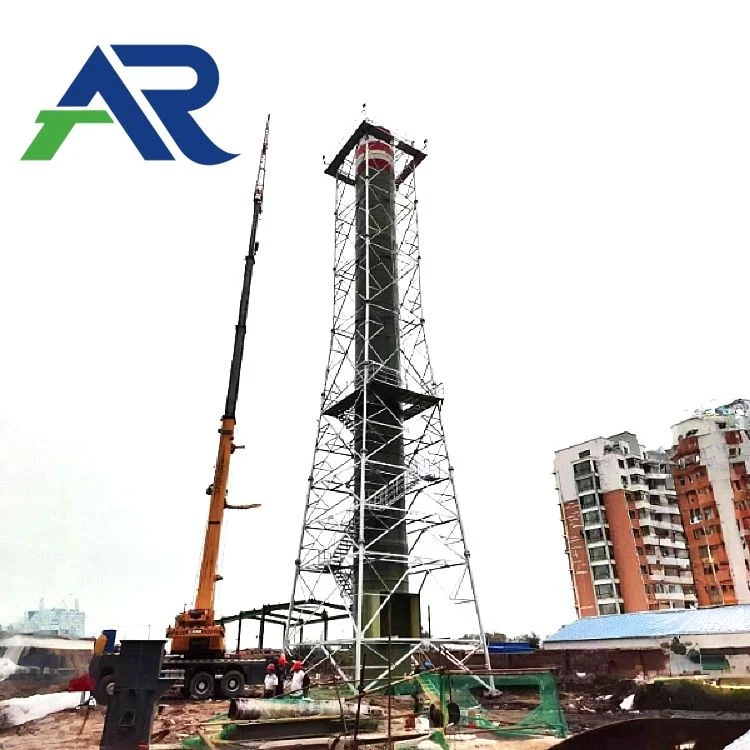
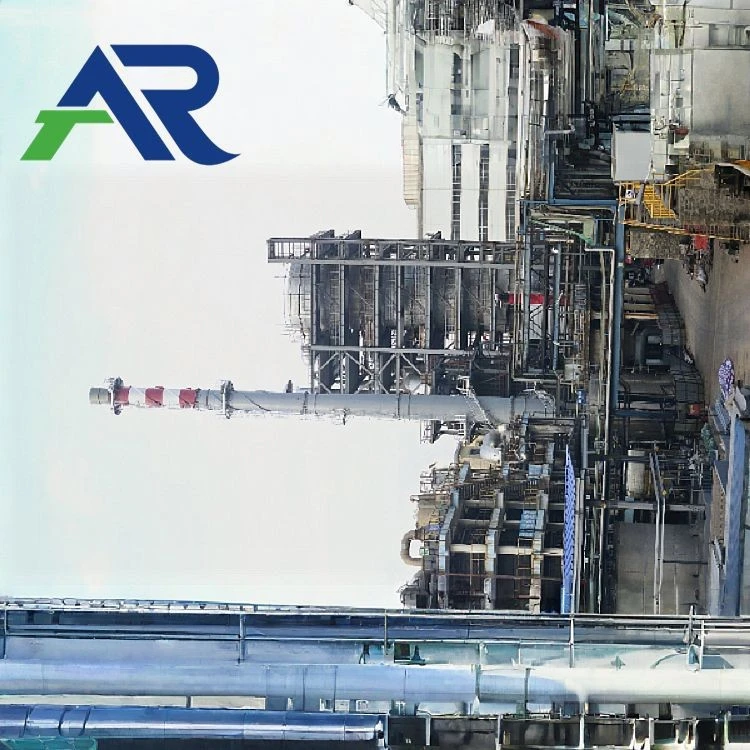
Before we dive into the vibration problems, let's briefly understand what fiberglass tower chimneys are. Fiberglass tower chimneys are a popular choice in various industries due to their corrosion resistance, lightweight nature, and cost - effectiveness. They are commonly used in chemical plants, power generation facilities, and other industrial settings where the emission of gases and pollutants is a concern. You can learn more about Fiberglass Tower Chimney on our website.
Causes of Vibration in Fiberglass Tower Chimneys
Aerodynamic Forces
One of the primary causes of vibration in fiberglass tower chimneys is aerodynamic forces. As the wind blows around the chimney, it creates a series of pressure differentials. When the wind speed reaches a certain critical value, it can cause the chimney to vibrate. This phenomenon is known as vortex shedding. Vortex shedding occurs when the wind flow separates from the surface of the chimney, creating alternating vortices on the leeward side. These vortices generate fluctuating forces that can induce vibrations in the chimney structure.
Seismic Activity
Seismic events can also lead to significant vibrations in fiberglass tower chimneys. Earthquakes generate ground motions that can be transmitted to the chimney structure. The dynamic forces exerted during an earthquake can cause the chimney to sway and vibrate. The magnitude and frequency of these vibrations depend on the intensity of the earthquake, the distance from the epicenter, and the structural characteristics of the chimney.
Mechanical Equipment
In industrial settings, the operation of mechanical equipment such as fans, pumps, and compressors can generate vibrations. If these vibrations are not properly isolated, they can be transmitted to the fiberglass tower chimney. The continuous operation of such equipment can lead to fatigue and damage in the chimney structure over time.
Effects of Vibration on Fiberglass Tower Chimneys
Structural Damage
Prolonged vibration can cause significant structural damage to fiberglass tower chimneys. The repeated stress cycles induced by vibrations can lead to the development of cracks in the fiberglass material. These cracks can propagate over time, weakening the overall structure of the chimney. In severe cases, the chimney may even collapse, posing a serious safety risk to the surrounding environment and personnel.
Reduced Service Life
Vibration can also reduce the service life of fiberglass tower chimneys. The constant movement and stress on the structure can accelerate the aging process of the fiberglass material. This can result in a decrease in the mechanical properties of the chimney, such as its strength and stiffness. As a result, the chimney may need to be replaced more frequently, increasing the overall cost of operation for the facility.
Noise and Disturbance
Vibrations in fiberglass tower chimneys can generate noise, which can be a nuisance to nearby residents and workers. The noise levels can vary depending on the frequency and amplitude of the vibrations. High - frequency vibrations tend to produce a shrill, annoying noise, while low - frequency vibrations can cause a dull, rumbling sound. This noise pollution can have a negative impact on the quality of life in the surrounding area and may also lead to complaints from the community.
Detecting Vibration Problems in Fiberglass Tower Chimneys
Visual Inspection
Regular visual inspections are an important part of detecting vibration problems in fiberglass tower chimneys. During an inspection, trained personnel can look for signs of damage such as cracks, deformations, and loose connections. They can also check for any signs of excessive movement or sway in the chimney structure.
Vibration Monitoring Systems
Vibration monitoring systems can be installed on fiberglass tower chimneys to continuously measure and record the vibrations. These systems typically consist of sensors that are placed at strategic locations on the chimney. The sensors can detect the amplitude, frequency, and direction of the vibrations. The data collected by these sensors can be analyzed to identify any abnormal vibration patterns, which may indicate a potential problem.
Solutions to Vibration Problems
Aerodynamic Modifications
To reduce the effects of aerodynamic forces, aerodynamic modifications can be made to the chimney design. For example, the shape of the chimney can be changed to reduce the likelihood of vortex shedding. Adding helical strakes or spoilers to the chimney surface can disrupt the formation of vortices, thereby reducing the vibration amplitude.
Structural Reinforcement
Structural reinforcement can be used to strengthen the fiberglass tower chimney and make it more resistant to vibrations. This can involve adding additional layers of fiberglass or using carbon fiber composites to increase the stiffness and strength of the structure. Reinforcement can also be achieved by installing internal bracing or external supports.
Vibration Isolation
To prevent the transmission of vibrations from mechanical equipment to the chimney, vibration isolation techniques can be employed. This can include using rubber mounts, spring isolators, or other damping devices to absorb and dissipate the vibrations. By isolating the equipment from the chimney, the risk of vibration - induced damage can be significantly reduced.
Alternative Chimney Options
In some cases, if the vibration problems cannot be effectively solved for a fiberglass tower chimney, considering alternative chimney options may be necessary. One such option is the Titanium Steel Composite Plate Tower Chimney. This type of chimney combines the advantages of titanium and steel, offering high strength, corrosion resistance, and better vibration - damping properties.
Conclusion
Vibration problems in fiberglass tower chimneys are a complex issue that requires careful consideration and proactive management. By understanding the causes and effects of vibrations, and implementing appropriate detection and solution strategies, we can ensure the safe and reliable operation of these structures. As a supplier of Fiberglass Tower Chimneys, we are committed to providing our clients with high - quality products and comprehensive solutions to address these challenges.
If you are facing vibration problems with your fiberglass tower chimney or are considering purchasing a new chimney, we encourage you to contact us for a detailed consultation. Our team of experts will be happy to assist you in finding the best solution for your specific needs.
References
- Blevins, R. D. (1990). Flow - induced vibrations. Van Nostrand Reinhold.
- Clough, R. W., & Penzien, J. (2003). Dynamics of structures. Computers & Structures Inc.
- Harris, C. M., & Crede, C. E. (1976). Shock and vibration handbook. McGraw - Hill.