

As an iron tower supplier deeply entrenched in the industry, I've witnessed firsthand the pivotal role that soil conditions play in the stability and longevity of iron tower foundations. Understanding these impacts is not just a matter of engineering expertise; it's a fundamental necessity for ensuring the safety and efficiency of our infrastructure. In this blog, I'll delve into the various ways soil conditions can affect an iron tower foundation and why it's crucial for us to account for these factors in our projects.
Types of Soil and Their Characteristics
Soil is a complex and diverse material, with different types exhibiting distinct physical and mechanical properties. The most common soil types include clay, sand, silt, and gravel, each with its own unique characteristics that can significantly influence the performance of an iron tower foundation.
- Clay: Clay soils are known for their fine particles and high plasticity. They have a high water-holding capacity, which can cause them to expand when wet and shrink when dry. This swelling and shrinking behavior, known as soil heave, can exert significant forces on the foundation, leading to settlement, cracking, and even structural failure. Additionally, clay soils have low permeability, which means that water can take a long time to drain away, increasing the risk of waterlogging and erosion.
- Sand: Sand soils are composed of larger particles and have a relatively low plasticity. They are well-drained and have good permeability, which makes them less susceptible to soil heave and waterlogging. However, sand soils have low cohesion, which means that they can easily shift and settle under load. This can cause the foundation to sink or tilt, leading to instability and potential damage to the tower.
- Silt: Silt soils are intermediate between clay and sand, with particles that are smaller than sand but larger than clay. They have moderate plasticity and permeability, which means that they can exhibit some of the characteristics of both clay and sand soils. Silt soils can be prone to erosion and liquefaction, especially in areas with high groundwater levels or seismic activity.
- Gravel: Gravel soils are composed of large, angular particles and have a high permeability. They are well-drained and have good load-bearing capacity, which makes them ideal for supporting heavy structures such as iron towers. However, gravel soils can be difficult to compact, which means that they may require special construction techniques to ensure a stable foundation.
Impact of Soil Conditions on Foundation Design
The soil conditions at a particular site will have a significant impact on the design of the iron tower foundation. Engineers must take into account the type of soil, its strength, its compressibility, and its groundwater level when designing the foundation to ensure that it can support the weight of the tower and withstand the forces acting on it.
- Foundation Type: The type of foundation used for an iron tower will depend on the soil conditions at the site. For example, in areas with soft or compressible soils, a deep foundation such as a pile foundation may be required to transfer the load of the tower to a more stable layer of soil below. In areas with firm or rocky soils, a shallow foundation such as a spread footing may be sufficient.
- Foundation Size and Shape: The size and shape of the foundation will also depend on the soil conditions and the load requirements of the tower. A larger foundation will distribute the load over a larger area, reducing the pressure on the soil and minimizing the risk of settlement. The shape of the foundation can also affect its stability, with rectangular or square foundations generally being more stable than circular foundations.
- Foundation Depth: The depth of the foundation will depend on the soil conditions and the groundwater level. In areas with high groundwater levels, the foundation may need to be deeper to avoid waterlogging and erosion. In areas with soft or compressible soils, the foundation may need to be deeper to reach a more stable layer of soil below.
Impact of Soil Conditions on Foundation Construction
In addition to affecting the design of the foundation, soil conditions can also have a significant impact on the construction process. The type of soil, its strength, and its compressibility will determine the construction methods and equipment that can be used, as well as the time and cost required to complete the project.
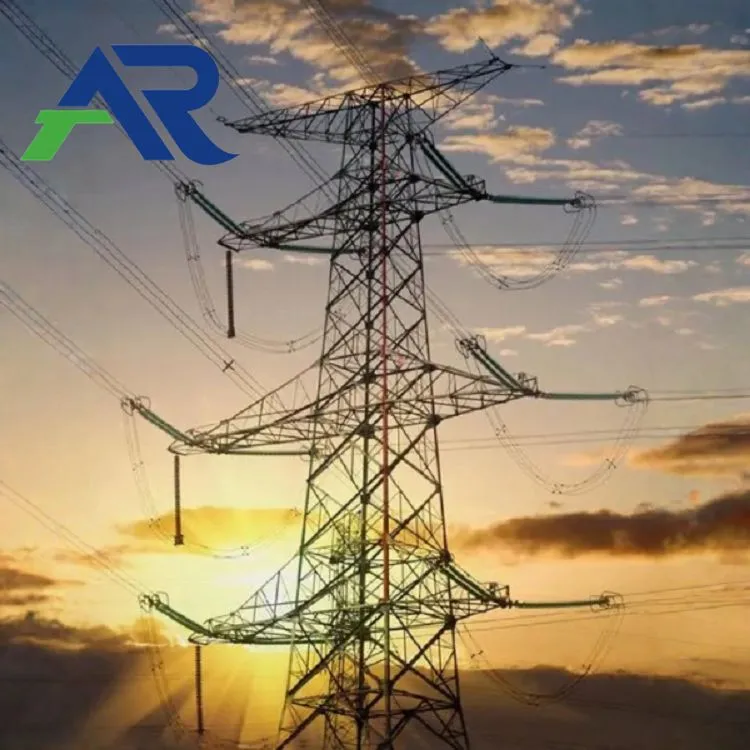
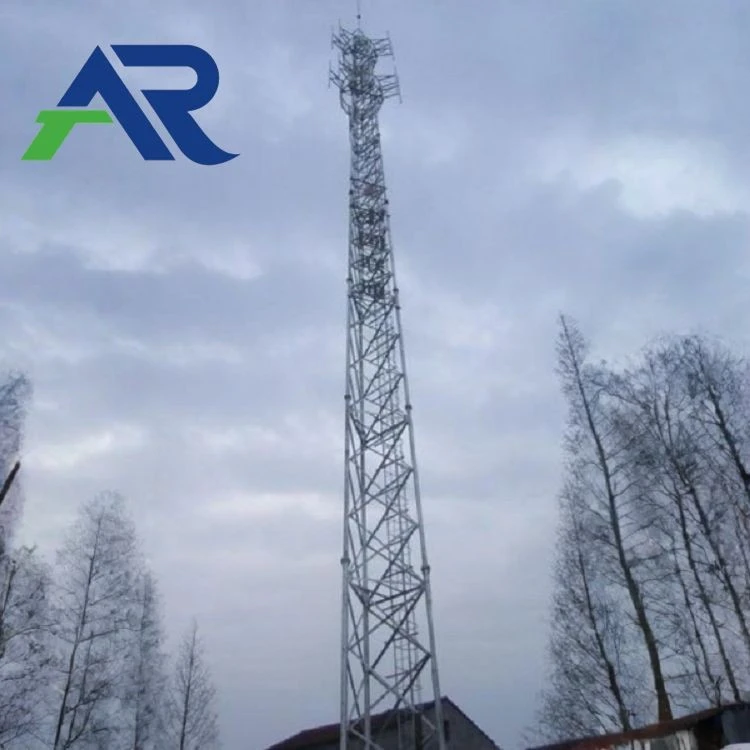
- Excavation: Excavation is a critical step in the construction of an iron tower foundation. The type of soil and its strength will determine the excavation method that can be used, as well as the equipment required. In areas with soft or compressible soils, special excavation techniques such as soil stabilization or shoring may be required to prevent the soil from collapsing during excavation.
- Compaction: Compaction is another important step in the construction of an iron tower foundation. The soil must be compacted to a sufficient density to ensure that it can support the weight of the tower and withstand the forces acting on it. The type of soil and its compressibility will determine the compaction method that can be used, as well as the equipment required. In areas with cohesive soils, such as clay, compaction may be more difficult and may require special techniques such as preloading or vibrocompaction.
- Groundwater Control: Groundwater control is essential during the construction of an iron tower foundation to prevent waterlogging and erosion. The type of soil and its permeability will determine the groundwater control method that can be used, as well as the equipment required. In areas with high groundwater levels, dewatering techniques such as wellpoints or deep wells may be required to lower the water table and keep the excavation dry.
Importance of Soil Testing
Given the significant impact that soil conditions can have on the design, construction, and performance of an iron tower foundation, it is essential to conduct thorough soil testing before beginning any construction project. Soil testing can provide valuable information about the type of soil, its strength, its compressibility, and its groundwater level, which can help engineers design a foundation that is safe, stable, and cost-effective.
- Soil Sampling: Soil sampling is the first step in soil testing. Samples of the soil are collected from various depths and locations at the site using a variety of methods, such as auguring, drilling, or trenching. The samples are then analyzed in a laboratory to determine their physical and mechanical properties.
- Laboratory Testing: Laboratory testing is used to determine the strength, compressibility, and other properties of the soil samples. Common laboratory tests include the standard penetration test (SPT), the cone penetration test (CPT), the triaxial test, and the consolidation test. These tests can provide valuable information about the soil's behavior under load and can help engineers design a foundation that is appropriate for the soil conditions at the site.
- Field Testing: Field testing is used to verify the results of the laboratory testing and to assess the in-situ properties of the soil. Common field tests include the plate load test, the pressuremeter test, and the dynamic cone penetration test. These tests can provide valuable information about the soil's bearing capacity and can help engineers determine the appropriate foundation type and size for the tower.
Conclusion
In conclusion, soil conditions play a crucial role in the stability and longevity of iron tower foundations. The type of soil, its strength, its compressibility, and its groundwater level can all have a significant impact on the design, construction, and performance of the foundation. As an iron tower supplier, it is essential to understand these impacts and to take them into account when designing and constructing our products. By conducting thorough soil testing, using appropriate foundation types and construction methods, and ensuring proper groundwater control, we can ensure that our iron tower foundations are safe, stable, and cost-effective.
If you're in the market for high-quality Iron Towers for your Electrical Tower or Communication Tower Building projects, don't hesitate to reach out to us. We're here to provide you with the expertise and solutions you need to ensure the success of your project. Contact us today to discuss your requirements and explore how we can help you build a strong and reliable foundation for your infrastructure.
References
- Bowles, J. E. (1996). Foundation analysis and design. McGraw-Hill.
- Coduto, D. P. (2011). Geotechnical engineering: principles and practices. Prentice Hall.
- Das, B. M. (2014). Principles of geotechnical engineering. Cengage Learning.
- Holtz, R. D., Kovacs, W. D., & Sheahan, T. C. (2011). An introduction to geotechnical engineering. Prentice Hall.