

In the intricate infrastructure of subway systems, the role of corrugated pipes cannot be overstated. As a dedicated supplier of Corrugated Pipe for Subway Passage, I've witnessed firsthand the importance of these pipes in ensuring the smooth and efficient operation of subway passages. One of the most frequently asked questions I encounter is whether corrugated pipes in subway passages can be easily connected to other pipes. In this blog, I'll delve into this topic, exploring the factors that influence the connectivity of corrugated pipes and providing insights based on my experience in the industry.
Understanding Corrugated Pipes in Subway Passages
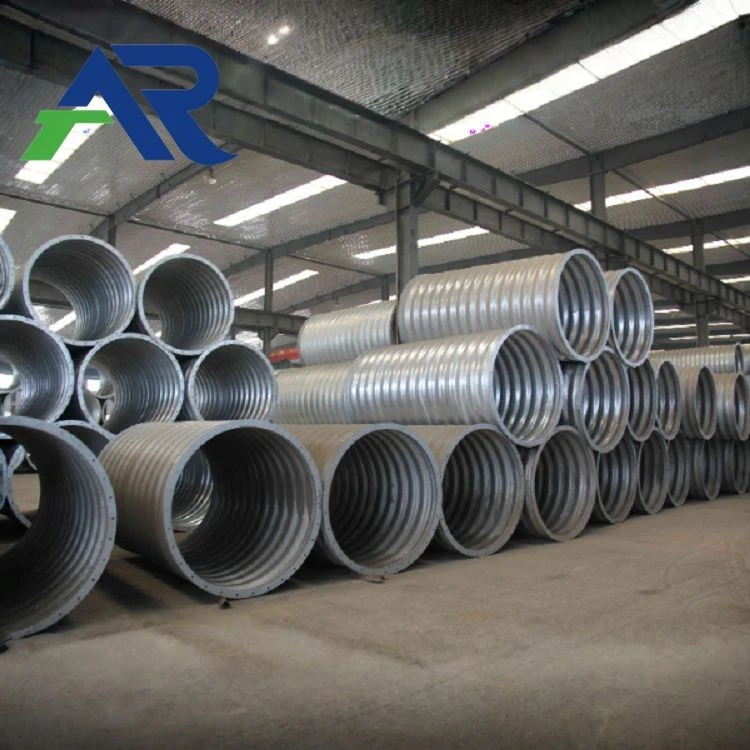
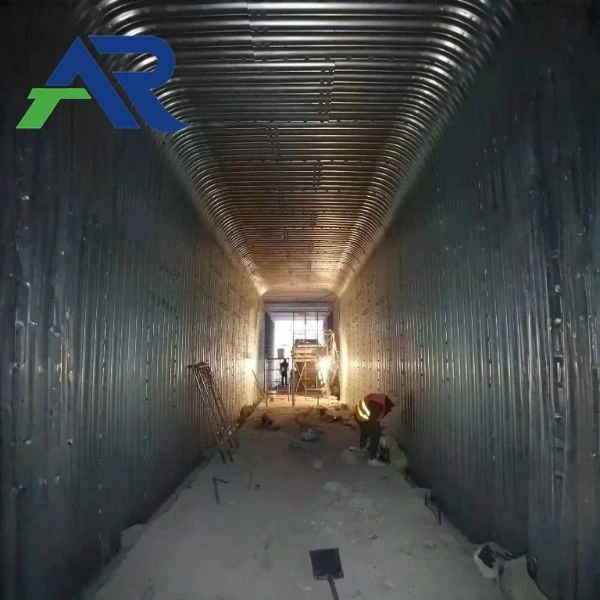
Corrugated pipes are characterized by their unique design, featuring a series of ridges and grooves that run along the length of the pipe. This design provides several advantages, including increased flexibility, enhanced strength, and improved resistance to external forces. In subway passages, corrugated pipes are commonly used for a variety of applications, such as drainage, ventilation, and cable management.
The flexibility of corrugated pipes makes them well-suited for use in subway passages, where they may need to navigate around obstacles or conform to irregular shapes. Additionally, their strength and durability ensure that they can withstand the harsh environmental conditions typically found in subway systems, including high humidity, temperature variations, and exposure to chemicals.
Factors Affecting the Connectivity of Corrugated Pipes
The ease of connecting corrugated pipes to other pipes depends on several factors, including the type of pipes being connected, the connection method used, and the specific requirements of the subway passage.
Type of Pipes
There are various types of pipes that may need to be connected to corrugated pipes in subway passages, including PVC pipes, steel pipes, and concrete pipes. Each type of pipe has its own unique characteristics and connection requirements, which can affect the ease of connectivity.
- PVC Pipes: PVC pipes are lightweight, corrosion-resistant, and relatively easy to install. They can be connected to corrugated pipes using a variety of methods, such as solvent welding, rubber gaskets, or mechanical couplings. Solvent welding is a common method for connecting PVC pipes, as it creates a strong, permanent bond. However, it requires careful preparation and proper application of the solvent to ensure a leak-free connection.
- Steel Pipes: Steel pipes are strong, durable, and capable of withstanding high pressures. They can be connected to corrugated pipes using welding, flanges, or threaded connections. Welding is a reliable method for connecting steel pipes, but it requires specialized equipment and skilled labor. Flanges and threaded connections are easier to install, but they may require additional sealing to prevent leaks.
- Concrete Pipes: Concrete pipes are heavy, strong, and resistant to abrasion. They can be connected to corrugated pipes using rubber gaskets or mortar joints. Rubber gaskets provide a flexible, watertight seal, while mortar joints create a more rigid connection. However, mortar joints require careful mixing and application to ensure a proper bond.
Connection Method
The connection method used to connect corrugated pipes to other pipes can also affect the ease of connectivity. There are several common connection methods, each with its own advantages and disadvantages.
- Mechanical Couplings: Mechanical couplings are a popular choice for connecting corrugated pipes to other pipes, as they are easy to install and do not require special tools or skills. They typically consist of a clamp or sleeve that is tightened around the pipes to create a secure connection. Mechanical couplings can be used with a variety of pipe materials and sizes, making them a versatile option.
- Rubber Gaskets: Rubber gaskets are another common method for connecting corrugated pipes to other pipes. They provide a flexible, watertight seal that can accommodate movement and vibration. Rubber gaskets are typically installed between the pipes and held in place by a clamp or sleeve. They are easy to install and can be used with a variety of pipe materials.
- Welding: Welding is a permanent connection method that creates a strong, leak-free bond between the pipes. It is commonly used for connecting steel pipes, but it can also be used for other materials, such as PVC and aluminum. Welding requires specialized equipment and skilled labor, but it provides a high level of reliability and durability.
Specific Requirements of the Subway Passage
The specific requirements of the subway passage, such as the size and shape of the pipes, the location of the connection, and the environmental conditions, can also affect the ease of connectivity.
- Size and Shape of the Pipes: The size and shape of the pipes being connected can have a significant impact on the ease of connectivity. Larger pipes may require more specialized equipment and techniques to connect, while pipes with irregular shapes may require custom-made connectors.
- Location of the Connection: The location of the connection can also affect the ease of connectivity. Connections that are located in tight spaces or difficult-to-reach areas may require special tools or techniques to install. Additionally, connections that are located in areas with high traffic or vibration may require additional support or reinforcement to ensure their stability.
- Environmental Conditions: The environmental conditions in the subway passage, such as high humidity, temperature variations, and exposure to chemicals, can also affect the performance of the connection. Connections that are exposed to harsh environmental conditions may require special materials or coatings to prevent corrosion or damage.
Advantages of Connecting Corrugated Pipes to Other Pipes
Connecting corrugated pipes to other pipes in subway passages offers several advantages, including:
- Improved Functionality: By connecting corrugated pipes to other pipes, it is possible to create a more comprehensive and efficient system for drainage, ventilation, and cable management. This can help to improve the overall functionality of the subway passage and ensure its smooth operation.
- Enhanced Flexibility: Corrugated pipes are known for their flexibility, which allows them to be easily routed around obstacles and conform to irregular shapes. By connecting corrugated pipes to other pipes, it is possible to take advantage of this flexibility and create a more adaptable system that can meet the specific needs of the subway passage.
- Cost Savings: Connecting corrugated pipes to other pipes can also help to reduce costs by eliminating the need for additional pipes or components. This can result in significant savings in both materials and labor costs.
Challenges and Considerations
While connecting corrugated pipes to other pipes in subway passages offers many advantages, there are also some challenges and considerations that need to be taken into account.
- Compatibility: It is important to ensure that the pipes being connected are compatible with each other in terms of material, size, and connection method. Using incompatible pipes or connection methods can result in leaks, failures, or other problems.
- Sealing: Proper sealing is essential to prevent leaks and ensure the integrity of the connection. This may require the use of specialized gaskets, seals, or adhesives, depending on the type of pipes being connected and the environmental conditions.
- Maintenance: Connections between corrugated pipes and other pipes may require regular maintenance to ensure their continued performance. This may include inspecting the connections for leaks, damage, or corrosion, and replacing any worn or damaged components as needed.
Conclusion
In conclusion, the ease of connecting corrugated pipes to other pipes in subway passages depends on several factors, including the type of pipes being connected, the connection method used, and the specific requirements of the subway passage. While there are some challenges and considerations that need to be taken into account, connecting corrugated pipes to other pipes offers many advantages, including improved functionality, enhanced flexibility, and cost savings.
As a supplier of Corrugated Pipe for Subway Passage, I am committed to providing high-quality products and expert advice to help you achieve the best results for your subway passage projects. If you have any questions or need assistance with connecting corrugated pipes to other pipes, please don't hesitate to contact me. I look forward to working with you to find the best solutions for your needs.
References
- "Corrugated Steel Pipe Design Manual," American Iron and Steel Institute.
- "PVC Pipe Handbook," Plastics Pipe Institute.
- "Steel Pipe Design and Installation Guide," American Society of Civil Engineers.