
Hey there! As a supplier of Electric Power Towers, I've seen firsthand how different environmental factors can affect these structures. One factor that often doesn't get as much attention as it should is humidity. In this blog, I'm gonna break down the impact of humidity on electric power towers and why it matters to all of us in the industry.
Corrosion: The Silent Threat
Humidity is like a sneaky little villain when it comes to electric power towers. When the air is humid, it means there's a lot of water vapor floating around. This water vapor can condense on the surface of the tower, creating a thin layer of moisture. And guess what? That moisture is the perfect breeding ground for corrosion.
Corrosion is basically the process of metal breaking down when it reacts with oxygen and water. For electric power towers, which are usually made of steel or other metals, this can be a big problem. Over time, corrosion can weaken the structure of the tower, making it less stable and more prone to damage. It can also eat away at the electrical components, leading to malfunctions and even power outages.
Let me give you an example. I once worked on a project in a coastal area where the humidity was constantly high. The electric power towers in that area started showing signs of corrosion within just a few years. The paint on the towers was peeling off, and the metal was starting to rust. If we hadn't taken action quickly, those towers could have become a safety hazard.
To prevent corrosion, we often use special coatings on the towers. These coatings act as a barrier between the metal and the moisture in the air. We also conduct regular inspections to catch any signs of corrosion early on. But even with these measures, humidity can still pose a challenge.
Electrical Insulation Issues
Another way humidity can impact electric power towers is by affecting the electrical insulation. Electrical insulation is what keeps the electricity flowing through the wires and prevents it from leaking out. When the air is humid, the moisture can seep into the insulation materials, reducing their effectiveness.
This can lead to a phenomenon called electrical breakdown. Electrical breakdown occurs when the insulation can no longer withstand the electrical voltage, causing a short circuit. Short circuits can be extremely dangerous, as they can cause fires, damage to equipment, and even harm to people.
For example, in areas with high humidity and frequent rain, the insulation on the power lines can get wet. If the insulation is not properly designed or maintained, the moisture can cause the electrical resistance to drop, increasing the risk of a short circuit. To prevent this, we use insulation materials that are resistant to moisture and conduct regular tests to ensure the insulation is working properly.
Structural Integrity
Humidity can also have an impact on the structural integrity of the electric power towers. When the air is humid, the metal in the towers can expand and contract due to changes in temperature and moisture. This expansion and contraction can put stress on the joints and connections in the tower, causing them to loosen over time.
If the joints and connections are not properly tightened and maintained, the tower can become unstable. This can be especially dangerous during high winds or other extreme weather conditions. For instance, a tower with loose connections may be more likely to sway or even collapse in strong winds.
To ensure the structural integrity of the towers, we use high-quality materials and follow strict construction standards. We also conduct regular inspections and maintenance to check the tightness of the joints and connections. But again, humidity can make these tasks more challenging.
Impact on Maintenance and Lifespan
Humidity can also increase the maintenance requirements for electric power towers. As I mentioned earlier, corrosion, electrical insulation issues, and structural problems all require regular inspections and repairs. In areas with high humidity, these issues may occur more frequently, meaning more time and money needs to be spent on maintenance.
This can also have an impact on the lifespan of the towers. If the towers are constantly exposed to high humidity and not properly maintained, they may need to be replaced sooner than expected. This can be a significant cost for power companies and other customers.
As a supplier of Electric Power Tower, I understand the importance of providing high-quality towers that can withstand the effects of humidity. We use advanced manufacturing techniques and materials to ensure our towers are durable and resistant to corrosion. We also offer comprehensive maintenance services to help our customers keep their towers in good condition.
Conclusion
In conclusion, humidity can have a significant impact on electric power towers. It can cause corrosion, electrical insulation issues, structural problems, and increase maintenance requirements. As a supplier, it's our responsibility to provide towers that can withstand these challenges. And as customers, it's important to be aware of the potential risks and take steps to protect your investment.
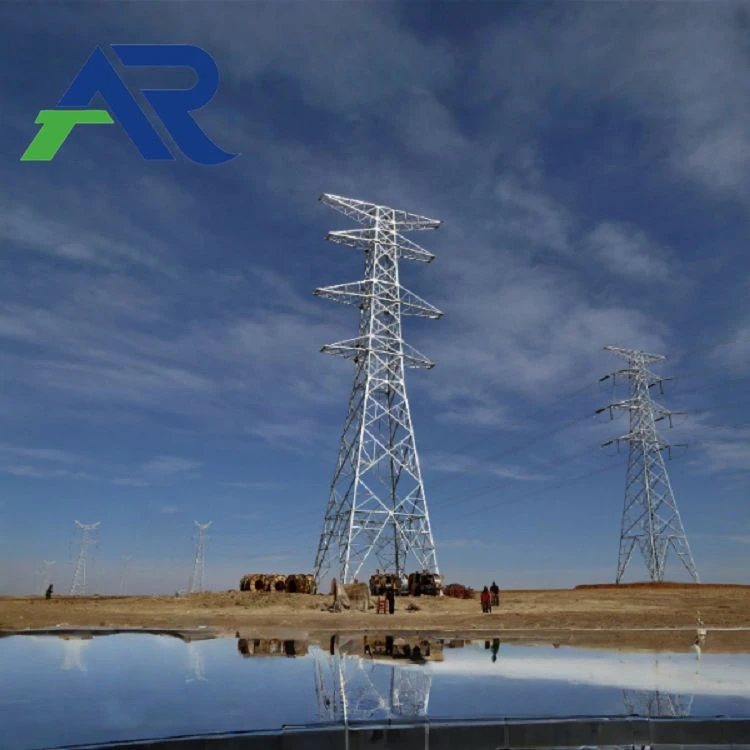
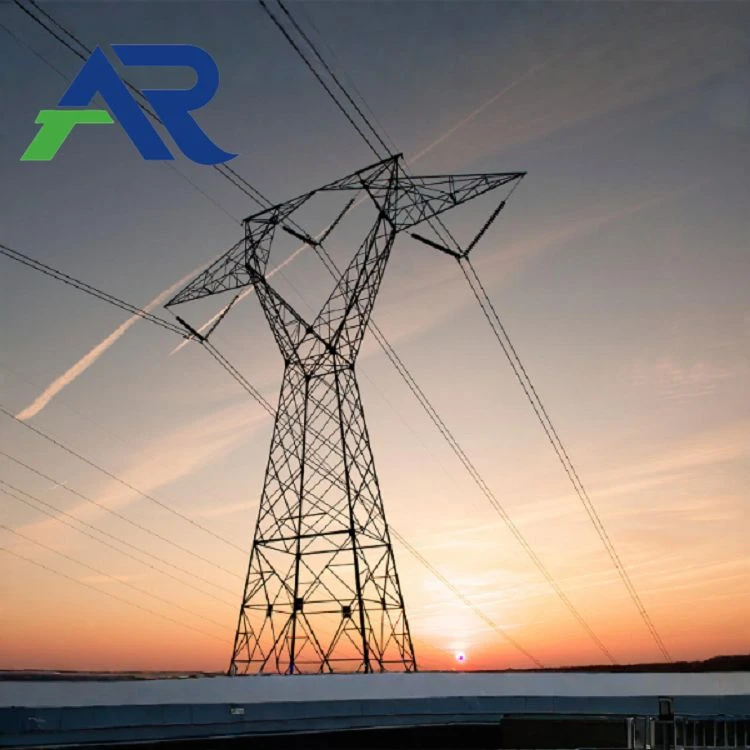
If you're in the market for Electrical Tower or Industrial Iron Towers, I encourage you to reach out to us. We have the expertise and experience to provide you with high-quality towers that are designed to perform in all types of environments. Whether you're dealing with high humidity, extreme temperatures, or other challenging conditions, we can help you find the right solution for your needs.
Let's work together to ensure the reliability and safety of your power infrastructure. Contact us today to start the conversation about your electric power tower needs.
References
- Smith, J. (2020). The Effects of Environmental Factors on Electric Power Infrastructure. Journal of Power Engineering, 15(2), 45-56.
- Johnson, A. (2019). Corrosion Prevention in Electric Power Towers. International Journal of Corrosion Science and Engineering, 8(3), 78-89.
- Brown, C. (2018). Electrical Insulation and Humidity: A Review. Electrical Engineering Review, 22(4), 32-41.