

When it comes to the installation of steel corrugated culverts, safety is of paramount importance. As a supplier of steel corrugated culverts, I have witnessed firsthand the significance of addressing safety issues during the installation process. In this blog, I will delve into the key safety concerns that one should be aware of when installing steel corrugated culverts.
Site Preparation Safety
Before the actual installation of steel corrugated culverts begins, proper site preparation is crucial. The first step is to conduct a thorough site survey. This survey helps in identifying potential hazards such as unstable soil, underground utilities, or areas prone to flooding. For instance, if there are underground utilities like gas lines or electrical cables, disturbing them during the excavation process can lead to serious accidents. It is essential to obtain accurate utility maps from the relevant authorities and mark the locations clearly on the site.
The excavation work itself poses several safety risks. The excavation should be done in a way that prevents soil collapse. Sloping the sides of the excavation according to the soil type is a common safety measure. For cohesive soils, a steeper slope may be acceptable, while for non - cohesive soils, a shallower slope is required to prevent cave - ins. Workers involved in the excavation should wear appropriate personal protective equipment (PPE), including hard hats, safety glasses, and steel - toed boots.
Moreover, the site should be properly barricaded to prevent unauthorized access. Construction sites are dangerous places, and keeping out curious onlookers or unauthorized personnel reduces the risk of accidents. Signage should be clearly posted to indicate potential hazards, such as "Danger - Excavation Area" or "No Trespassing."
Handling and Transportation Safety
The steel corrugated culverts are usually delivered to the site in large sections. Handling these heavy and often large - sized components requires special attention. During transportation, the culverts should be properly secured on the transport vehicle. Straps, chains, or other securing devices should be used to prevent the culverts from shifting or falling off the truck during transit.
When unloading the culverts at the site, the use of appropriate lifting equipment is essential. Cranes or forklifts should be inspected regularly to ensure their proper functioning. The lifting points on the culverts should be clearly marked, and the lifting slings or hooks should be attached correctly. Workers operating the lifting equipment should be trained and certified to handle such machinery.
During the handling process, workers should be aware of the weight and balance of the culverts. Improper handling can lead to the culverts tipping over, which can cause serious injuries to the workers. Additionally, workers should avoid standing under the suspended culverts at all times.
Assembly Safety
Once the culverts are on - site, the assembly process begins. If the culverts are being assembled in sections, proper alignment is crucial. Misaligned sections can lead to structural weaknesses in the final culvert installation. Workers should use alignment tools and follow the manufacturer's instructions carefully.
Welding or bolting the sections together also requires safety precautions. When welding, workers should wear welding helmets, gloves, and protective clothing to prevent burns from the welding arc and sparks. Adequate ventilation should be provided in the welding area to prevent the inhalation of harmful fumes.
For bolting, the bolts should be tightened to the specified torque. Over - tightening or under - tightening the bolts can compromise the structural integrity of the culvert. Workers should use calibrated torque wrenches to ensure accurate tightening.
Backfilling Safety
After the culvert is assembled, backfilling is carried out to provide support to the culvert. The backfill material should be carefully selected. It should be free of large rocks, debris, or other materials that could damage the culvert. The backfill should be placed in layers and compacted properly.
Compaction equipment, such as vibratory rollers or plate compactors, should be used with caution. Workers should be aware of the movement of the compaction equipment and stay clear of its path. The compaction process should be carried out symmetrically around the culvert to prevent uneven loading, which can cause the culvert to deform.
Environmental Safety
In addition to the above - mentioned safety issues, environmental safety is also a significant concern. Steel corrugated culverts are often installed in areas close to water bodies or natural habitats. During the installation process, measures should be taken to prevent soil erosion and sedimentation in nearby water sources.
Erosion control blankets or silt fences can be installed around the construction site to trap sediment and prevent it from entering waterways. Spills of fuel, lubricants, or other chemicals should be cleaned up immediately to prevent contamination of the soil and water.
Post - Installation Safety Checks
Once the installation is complete, a series of safety checks should be carried out. The structural integrity of the culvert should be inspected. This includes checking for any signs of deformation, cracks, or loose connections. The alignment of the culvert should be verified to ensure that it is functioning as intended.
The drainage capacity of the culvert should also be tested. Water should flow through the culvert smoothly without any blockages. Any debris or sediment that has accumulated during the installation process should be removed from the culvert.
Importance of Safety in the Long - Run
Ensuring safety during the installation of steel corrugated culverts is not only important for the well - being of the workers during the construction phase but also for the long - term performance of the culvert. A safely installed culvert is more likely to have a longer service life and require less maintenance.

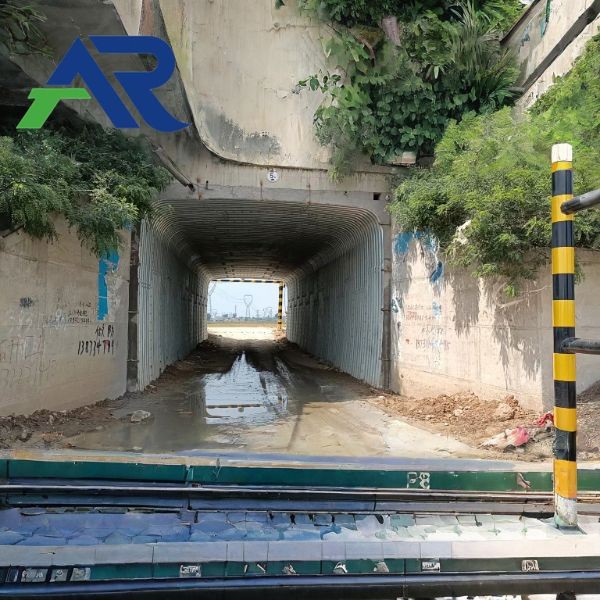
By following proper safety procedures, we can also avoid costly accidents and legal issues. In case of an accident on the construction site, it can lead to delays in the project, increased costs due to medical expenses and potential legal claims, and damage to the reputation of the construction company and the supplier.
Conclusion
As a supplier of Bridge Culvert Steel Corrugated Culvert, Steel Urban Underground Integrated Pipeline Corridor, and Corrugated Pipe for Subway Passage, I understand the importance of safety in the installation process. Safety should be a top priority at every stage, from site preparation to post - installation checks.
If you are in need of high - quality steel corrugated culverts and want to ensure a safe and efficient installation process, we are here to assist you. Our team of experts can provide you with the necessary guidance and support. Contact us to start a discussion about your project requirements and let's work together to achieve a successful and safe installation.
References
- Construction Safety Manual for Infrastructure Projects
- Steel Corrugated Culvert Installation Guidelines by Industry Standards
- Occupational Safety and Health Administration (OSHA) Regulations for Construction Sites