

Hey there! I'm a supplier of Corrugated Pipe for Coal Mine Corridor, and I've been in this business for quite a while. Today, I wanna share with you how to install corrugated pipes in a coal mine corridor in a complex geological environment. It's not an easy task, but with the right know - how, you can get it done smoothly.
Understanding the Complex Geological Environment
First things first, you gotta understand what makes the geological environment in a coal mine corridor complex. There could be all sorts of issues like unstable rock formations, high groundwater levels, and even seismic activities in some areas. These factors can pose significant challenges during the installation of corrugated pipes.
For example, unstable rock formations might cause the ground to shift, which could damage the pipes. High groundwater levels can lead to waterlogging, making it difficult to dig trenches and install the pipes properly. And seismic activities? Well, they can shake things up big time and potentially break the pipes.
Pre - installation Preparations
Site Investigation
Before you even think about installing the corrugated pipes, you need to conduct a thorough site investigation. This involves checking the geological conditions, the water table level, and any potential hazards in the area. You can use tools like ground - penetrating radar to get a better idea of what's beneath the surface.
Pipe Selection
Choosing the right corrugated pipes is crucial. You need to consider factors like the pipe's diameter, wall thickness, and material. Since we're talking about a coal mine corridor, the pipes should be able to withstand the harsh conditions, including corrosion and abrasion. Our company offers a wide range of corrugated pipes that are specifically designed for coal mine corridors. You can learn more about similar products like Steel Urban Underground Integrated Pipeline Corridor and Steel Corrugated Culvert on our website.
Equipment and Materials
Make sure you have all the necessary equipment and materials ready. This includes excavation equipment like backhoes and trenchers, as well as welding machines if you're using welded pipes. You'll also need sand or gravel for bedding the pipes and sealing materials to prevent water leakage.
Installation Process
Trench Excavation
Once you've completed the pre - installation preparations, it's time to start excavating the trench. The depth and width of the trench should be according to the pipe's specifications. In a complex geological environment, you may need to take extra precautions. For example, if the ground is unstable, you might need to use shoring to prevent the trench from collapsing.
Pipe Laying
After the trench is ready, it's time to lay the corrugated pipes. Start from one end of the trench and work your way to the other. Make sure the pipes are aligned properly and that the joints are sealed tightly. You can use rubber gaskets or welding to seal the joints.
Bedding and Backfilling
Once the pipes are laid, you need to provide proper bedding. Spread a layer of sand or gravel at the bottom of the trench to support the pipes. After that, start backfilling the trench. Make sure to backfill in layers and compact each layer to prevent settlement.
Testing
After the installation is complete, you need to test the pipes for leaks and structural integrity. You can do a pressure test to check for leaks and a load test to ensure the pipes can withstand the expected loads.
Dealing with Challenges in a Complex Geological Environment
Unstable Ground
If you're dealing with unstable ground, you can use techniques like soil stabilization. This involves injecting chemicals into the soil to improve its strength. You can also use deep foundations or pile systems to support the pipes.
High Groundwater Levels
To deal with high groundwater levels, you can install dewatering systems. These systems can pump out the water from the trench to keep it dry during installation. You can also use waterproof coatings on the pipes to prevent corrosion.
Seismic Activities
In areas prone to seismic activities, you need to design the pipe installation to be more flexible. You can use flexible joints or expandable pipes to allow for movement during an earthquake.
Maintenance and Monitoring
Once the corrugated pipes are installed, regular maintenance and monitoring are essential. You should inspect the pipes regularly for signs of damage, corrosion, or leakage. You can also install monitoring systems to keep track of the pipe's performance over time. For example, you can use strain gauges to measure the stress on the pipes and sensors to detect water leakage.
Why Choose Our Corrugated Pipes
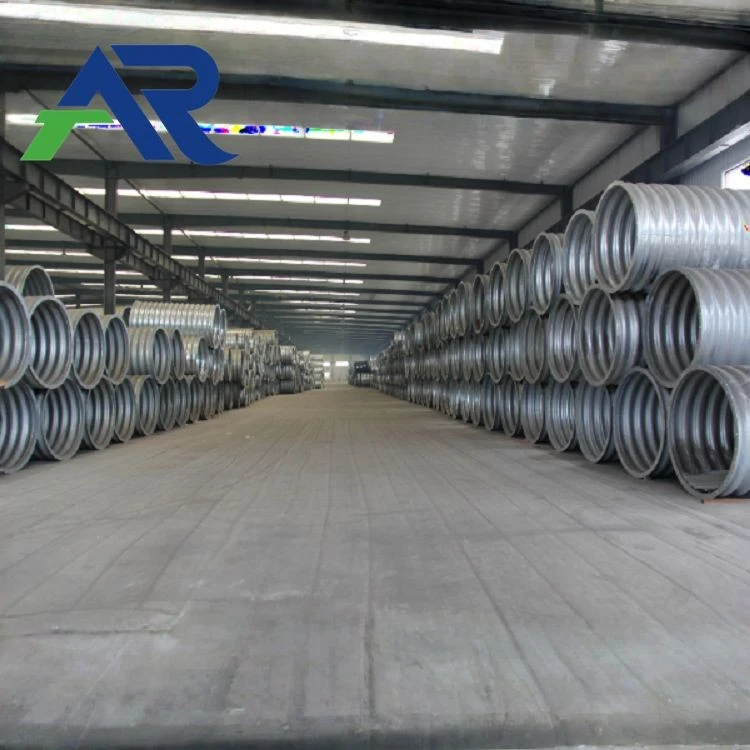
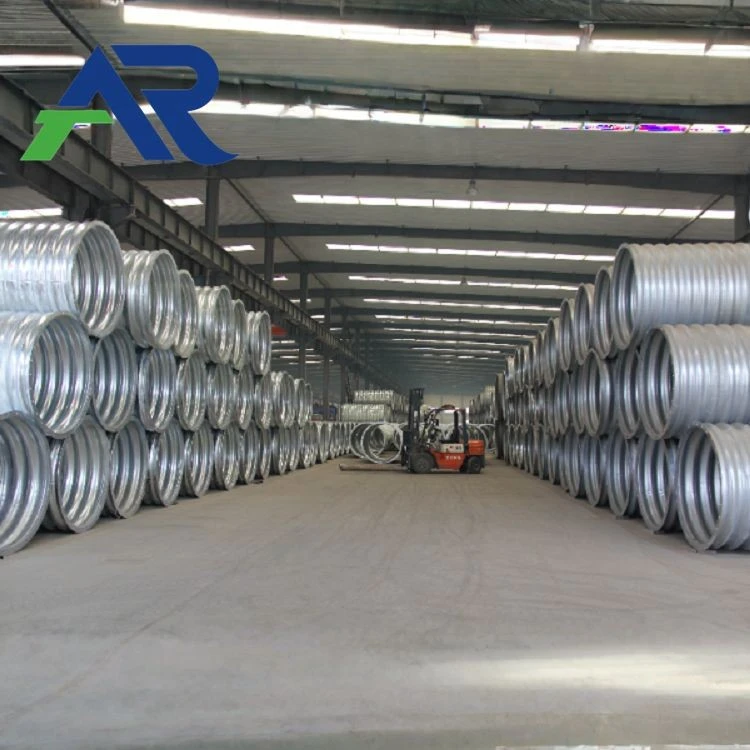
As a supplier of Corrugated Pipe for Coal Mine Corridor, we have a lot to offer. Our pipes are made from high - quality materials that can withstand the harsh conditions in a coal mine corridor. We also have a team of experts who can provide you with technical support and advice throughout the installation process. And if you're interested in other related products, you can check out Corrugated Pipe for Subway Passage on our website.
Contact Us for Procurement
If you're looking to install corrugated pipes in a coal mine corridor, we'd love to hear from you. Whether you have questions about our products, need help with installation, or just want to discuss your project, we're here for you. Feel free to reach out to us to start the procurement process and let's work together to make your project a success.
References
- Geotechnical Engineering Manual for Underground Construction, ASCE
- Pipeline Design and Construction: A Practical Approach, CRC Press
- Corrugated Steel Pipe Design Manual, Federal Highway Administration