

What are the requirements for using a fiberglass chimney in a commercial building?
As a seasoned supplier of Fiberglass Chimneys, I've witnessed firsthand the growing demand for these innovative solutions in commercial buildings. Fiberglass chimneys offer numerous advantages, including corrosion resistance, lightweight construction, and cost - effectiveness. However, to ensure their optimal performance and safety, several requirements must be met.
1. Building Codes and Regulations
Commercial buildings are subject to a wide range of local, state, and national building codes. These codes are designed to protect the health and safety of occupants and the public. When using a fiberglass chimney, it is essential to comply with all relevant codes. For example, in many areas, chimneys must be installed at a certain distance from combustible materials. The National Fire Protection Association (NFPA) has specific guidelines regarding chimney clearances. Fiberglass chimneys should be installed in accordance with these clearances to prevent the risk of fire.
Moreover, building codes often require chimneys to be properly supported and anchored. Fiberglass chimneys, due to their lightweight nature, may require different support systems compared to traditional masonry or metal chimneys. The installation must be engineered to withstand wind loads, seismic activity, and other environmental factors. A professional engineer should be involved in the design and installation process to ensure compliance with these structural requirements.
2. Compatibility with the Heating System
The fiberglass chimney must be compatible with the commercial building's heating system. Different heating systems produce different types of exhaust gases with varying temperatures and chemical compositions. For instance, a natural gas - fired boiler may produce relatively clean exhaust compared to an oil - fired furnace, which can generate more acidic by - products.
Fiberglass chimneys are known for their excellent corrosion resistance, but they still need to be selected based on the specific characteristics of the exhaust gases. High - temperature exhaust can cause the fiberglass to degrade over time if the chimney is not designed to handle such temperatures. It is crucial to work with the heating system manufacturer and the chimney supplier to ensure that the fiberglass chimney can safely and efficiently vent the exhaust from the heating equipment.
3. Proper Sizing
Proper sizing of the fiberglass chimney is critical for its performance. An undersized chimney can lead to poor draft, which may cause the heating system to operate inefficiently or even create a back - draft situation. A back - draft can allow dangerous exhaust gases, such as carbon monoxide, to enter the building.
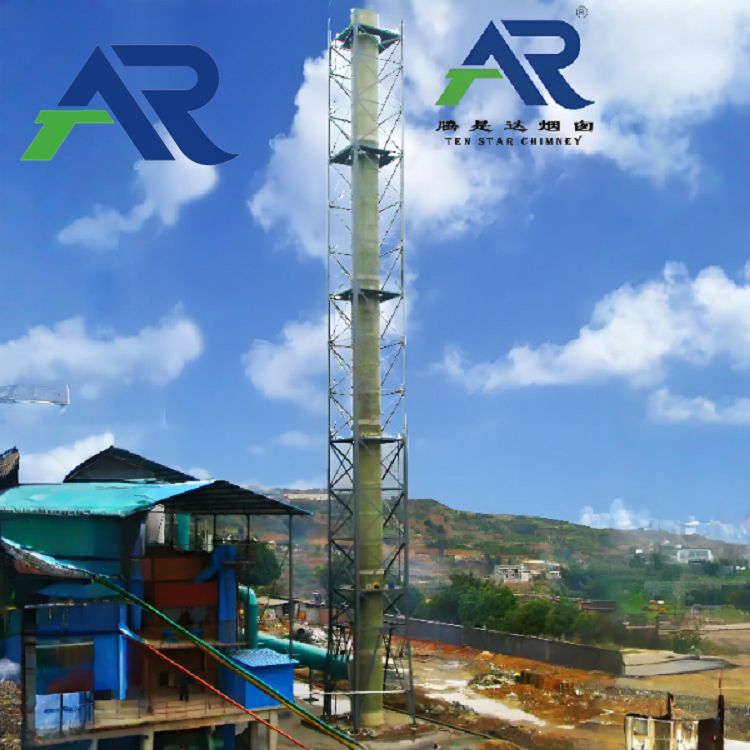

On the other hand, an oversized chimney can also be problematic. It may result in a slow - moving exhaust stream, which can cause condensation to form inside the chimney. Condensation can lead to corrosion and damage to the chimney structure over time. To determine the correct size of the fiberglass chimney, factors such as the heat output of the heating system, the number of appliances connected to the chimney, and the height of the chimney must be considered. A professional HVAC contractor or chimney specialist can perform the necessary calculations to ensure the chimney is sized correctly.
4. Installation and Maintenance
The installation of a fiberglass chimney must be carried out by trained and experienced professionals. Improper installation can lead to leaks, poor draft, and safety hazards. During installation, it is important to ensure that all joints are properly sealed to prevent the escape of exhaust gases. The chimney should also be installed vertically or at the correct pitch to ensure proper draft.
Regular maintenance is also essential for the long - term performance of a fiberglass chimney. Inspections should be conducted at least once a year to check for any signs of damage, corrosion, or blockages. The chimney should be cleaned as needed to remove any soot, debris, or condensation. Maintenance records should be kept to document the inspections and any repairs or cleaning that have been performed.
5. Ventilation Requirements
In a commercial building, proper ventilation is crucial for the safe operation of the fiberglass chimney. The building must have adequate makeup air to replace the air that is being exhausted through the chimney. Without sufficient makeup air, the heating system may not operate efficiently, and negative pressure can build up in the building, which can cause back - drafting.
The ventilation system should be designed to provide the correct amount of makeup air based on the size of the heating system and the exhaust volume of the chimney. This may involve installing air intake ducts or vents in the building. Additionally, the ventilation system should be maintained to ensure that it is functioning properly.
6. Fire Protection
While fiberglass is a non - combustible material, proper fire protection measures must still be in place around the chimney. Fire - rated insulation should be used to separate the chimney from combustible materials. Fire stops should be installed at penetrations through floors and walls to prevent the spread of fire and smoke.
In some cases, fire dampers may be required in the ventilation system to close in the event of a fire and prevent the spread of flames through the ducts. It is important to follow all fire protection codes and guidelines when installing and operating a fiberglass chimney in a commercial building.
7. Environmental Considerations
Commercial buildings are increasingly being designed with environmental sustainability in mind. Fiberglass chimneys can contribute to a building's environmental performance in several ways. They are lightweight, which reduces the energy required for transportation and installation. Additionally, their corrosion resistance means a longer lifespan, reducing the need for frequent replacements.
However, it is important to ensure that the manufacturing process of the fiberglass chimney is environmentally friendly. Look for suppliers who use sustainable manufacturing practices and recycled materials where possible.
In conclusion, using a fiberglass chimney in a commercial building requires careful consideration of building codes, compatibility with the heating system, proper sizing, installation and maintenance, ventilation requirements, fire protection, and environmental factors. As a Fiberglass Chimney supplier, we are committed to providing high - quality products and expert advice to ensure that our customers can meet all these requirements.
If you are interested in learning more about our Fiberglass Chimney solutions or have any questions regarding the requirements for using a fiberglass chimney in your commercial building, please feel free to contact us for a detailed discussion and procurement negotiation. We also offer other types of chimneys, such as Titanium Steel Composite Plate Chimney and Stainless Steel Chimneys, which may also be suitable for your specific needs.
References
- National Fire Protection Association (NFPA) Codes and Standards
- Manufacturer's Installation and Maintenance Guides for Fiberglass Chimneys
- HVAC System Design and Installation Manuals