
As a supplier of Stainless Steel Chimneys, I've encountered numerous inquiries regarding the maintenance requirements of these products. Stainless steel chimneys have gained significant popularity in various industrial and residential settings due to their durability, corrosion resistance, and aesthetic appeal. However, the question of whether they require special maintenance is a common concern among potential buyers. In this blog post, I'll delve into the topic, providing insights based on my experience in the industry.
Understanding the Basics of Stainless Steel Chimneys
Stainless steel is an alloy composed primarily of iron, chromium, and other elements. The addition of chromium creates a thin, protective layer of chromium oxide on the surface of the steel, which prevents corrosion and rust. This inherent property makes stainless steel an ideal material for chimneys, as they are constantly exposed to harsh environmental conditions, including high temperatures, moisture, and chemical fumes.
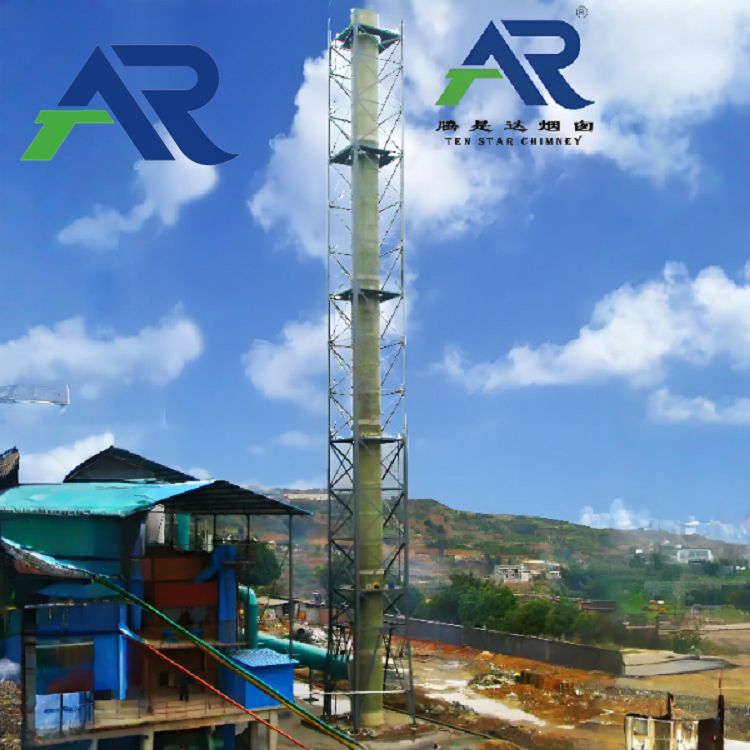

Stainless steel chimneys are commonly used in industrial facilities, power plants, and residential homes. They are designed to efficiently remove smoke, gases, and other byproducts of combustion, ensuring a safe and healthy environment. The smooth surface of stainless steel also reduces the accumulation of soot and debris, making it easier to clean and maintain.
Factors Affecting Maintenance Requirements
While stainless steel chimneys are known for their low maintenance requirements, several factors can influence the frequency and type of maintenance needed. These factors include:
- Environmental Conditions: The location of the chimney plays a crucial role in determining its maintenance needs. Chimneys installed in coastal areas or industrial zones are more likely to be exposed to saltwater, pollutants, and corrosive chemicals, which can accelerate the corrosion process. In such cases, more frequent inspections and cleaning may be required.
- Usage: The frequency and intensity of chimney usage also impact maintenance requirements. Chimneys that are used regularly, such as those in commercial kitchens or industrial facilities, may require more frequent cleaning to prevent the buildup of grease, soot, and other contaminants.
- Quality of Stainless Steel: Not all stainless steel is created equal. The quality of the stainless steel used in the chimney can affect its resistance to corrosion and wear. Higher-grade stainless steel alloys, such as 316L or 304, are more resistant to corrosion and are generally recommended for chimneys in harsh environments.
- Installation: Proper installation is essential for the long-term performance and maintenance of stainless steel chimneys. Incorrect installation can lead to leaks, poor ventilation, and other issues that may require additional maintenance or repairs.
General Maintenance Guidelines
Despite the factors mentioned above, stainless steel chimneys generally require minimal maintenance compared to other types of chimneys. Here are some general maintenance guidelines to keep in mind:
- Regular Inspections: Conduct regular visual inspections of the chimney to check for signs of damage, corrosion, or blockages. Look for cracks, holes, rust spots, or any other visible defects. Inspect the chimney cap, flue liner, and joints for proper installation and integrity.
- Cleaning: Periodically clean the chimney to remove any accumulated soot, debris, or grease. Use a soft brush or cloth and a mild detergent to clean the exterior surface of the chimney. Avoid using abrasive cleaners or tools that may scratch the stainless steel surface. For the interior of the chimney, a chimney sweep or professional cleaning service may be required to ensure thorough cleaning.
- Preventive Maintenance: Take preventive measures to protect the chimney from corrosion and damage. Apply a protective coating or sealant to the exterior surface of the chimney to enhance its resistance to environmental factors. Ensure proper ventilation to prevent the buildup of moisture and condensation inside the chimney.
- Repairs and Replacements: If any damage or defects are detected during inspections, it's important to address them promptly. Minor repairs, such as patching small holes or replacing damaged components, can often be done on-site. However, more extensive repairs or replacements may require the assistance of a professional chimney contractor.
Special Maintenance Considerations
In addition to the general maintenance guidelines, there are some special considerations for stainless steel chimneys in specific applications:
- Commercial Kitchen Chimneys: Chimneys in commercial kitchens are exposed to high levels of grease, steam, and food particles. Regular cleaning and maintenance are essential to prevent the buildup of grease, which can pose a fire hazard. It's recommended to have the chimney professionally cleaned at least once every three to six months, depending on the volume of cooking.
- Industrial Chimneys: Industrial chimneys are often exposed to harsh chemicals, high temperatures, and abrasive materials. Specialized maintenance procedures may be required to ensure the safe and efficient operation of these chimneys. This may include regular inspections, cleaning, and testing of the chimney's structural integrity and performance.
- Residential Chimneys: While residential chimneys generally require less maintenance than commercial or industrial chimneys, they still need to be inspected and cleaned regularly. It's recommended to have the chimney inspected at least once a year and cleaned as needed, especially if it's used frequently.
Comparing Stainless Steel Chimneys with Other Types of Chimneys
When considering the maintenance requirements of stainless steel chimneys, it's helpful to compare them with other types of chimneys, such as Fiberglass Chimney and Titanium Steel Composite Plate Chimney.
- Fiberglass Chimneys: Fiberglass chimneys are lightweight and corrosion-resistant, but they may require more frequent maintenance compared to stainless steel chimneys. Fiberglass can be damaged by high temperatures, UV radiation, and physical impact, which may require repairs or replacements. Additionally, fiberglass chimneys may need to be coated with a protective layer to prevent cracking and delamination.
- Titanium Steel Composite Plate Chimneys: Titanium steel composite plate chimneys offer excellent corrosion resistance and high strength, making them suitable for harsh environments. However, they are generally more expensive than stainless steel chimneys and may require specialized maintenance procedures. The composite plate may require periodic inspections to ensure the integrity of the bond between the titanium and steel layers.
Conclusion
In conclusion, stainless steel chimneys are a durable and low-maintenance option for various applications. While they do not require special maintenance in most cases, regular inspections, cleaning, and preventive measures are essential to ensure their long-term performance and reliability. By considering the environmental conditions, usage, quality of stainless steel, and installation, you can determine the appropriate maintenance schedule for your chimney.
As a supplier of Stainless Steel Chimneys, I'm committed to providing high-quality products and expert advice to our customers. If you have any questions or need further information about stainless steel chimneys or their maintenance requirements, please don't hesitate to contact us. We'd be happy to assist you with your procurement needs and help you find the right chimney solution for your specific application.
References
- "Stainless Steel Handbook," ASM International
- "Chimney Safety Institute of America (CSIA) Standards and Practices"
- Manufacturer's specifications and guidelines for stainless steel chimneys