

Hey there! I'm a supplier of Corrugated Pipe for Subway Passage. Today, I'm gonna walk you through the installation steps of these corrugated pipes in subway passages. It's important to get this right, as these pipes play a crucial role in the subway's infrastructure.
Step 1: Site Preparation
Before we start installing the corrugated pipes, we need to make sure the site is ready. First off, we've got to clear the area where the pipes will be laid. This means removing any debris, rocks, or other obstacles that could get in the way. We also need to check the ground's condition. The ground should be as level as possible. If it's not, we'll have to do some grading to make it flat. This is super important because an uneven surface can cause stress on the pipes and lead to damage over time.
We also need to mark the route for the pipes. This is usually done based on the subway's design plans. We use stakes and strings to clearly define where the pipes will go. This helps us stay on track during the installation process and ensures that the pipes are installed in the right place.
Step 2: Pipe Delivery and Inspection
Once the site is ready, it's time to get the corrugated pipes to the location. We make sure the pipes are transported carefully to avoid any damage. When the pipes arrive, we conduct a thorough inspection. We check for any cracks, dents, or other defects. If we find any issues, we don't use those pipes. We want to make sure that only high - quality pipes are installed in the subway passage.
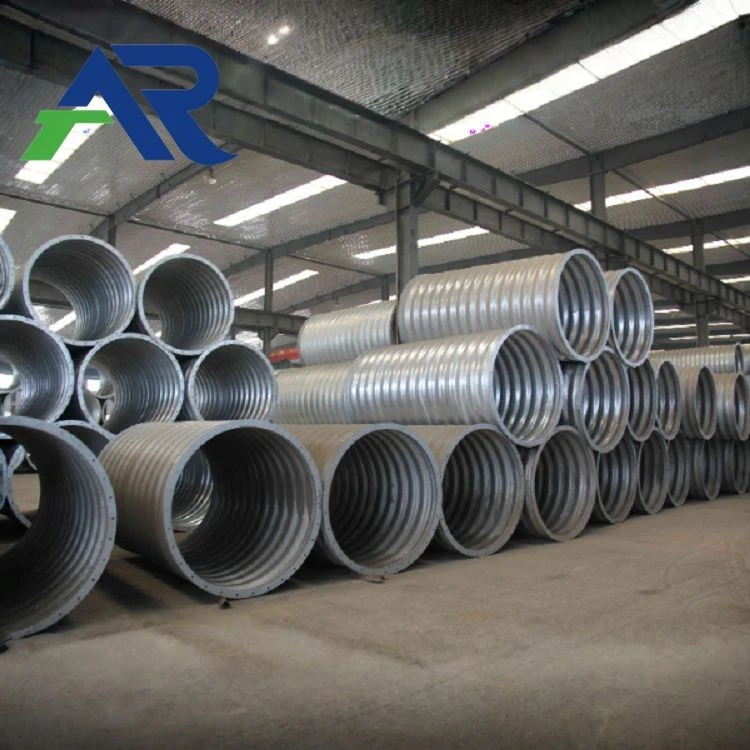
Our Corrugated Pipe for Subway Passage is made of high - strength materials, which are designed to withstand the harsh conditions in the subway. They are corrosion - resistant and have good flexibility, which makes them suitable for subway applications.
Step 3: Pipe Assembly
Now, it's time to assemble the pipes. We usually start by connecting the pipes end - to - end. We use special connectors that are designed for these corrugated pipes. These connectors ensure a tight and secure fit between the pipes. We make sure that the alignment of the pipes is correct. This means that the corrugations of the pipes should match up properly.
We also need to seal the joints between the pipes. We use sealing materials to prevent water and other substances from leaking into the pipes. This is crucial for the long - term performance of the pipes in the subway passage.
Step 4: Lowering the Pipes into Place
After the pipes are assembled, we need to lower them into the trench that we prepared earlier. We use cranes or other lifting equipment to carefully lower the pipes. We have to be really careful during this process to avoid any sudden movements that could damage the pipes.
As we lower the pipes, we make sure they are placed in the right position according to the marked route. We also check the level of the pipes to ensure they are installed horizontally or at the correct slope as required by the design.
Step 5: Backfilling
Once the pipes are in place, we start the backfilling process. Backfilling is the process of filling the trench around the pipes with soil or other suitable materials. We use a layer of granular material, such as sand or gravel, as the first layer around the pipes. This layer helps to protect the pipes from damage and provides a stable base.
We then gradually add more soil on top of the granular layer. We have to be careful not to over - compact the soil around the pipes, as this could cause damage. We use proper compaction equipment and techniques to ensure that the soil is compacted evenly.
Step 6: Connection to Other Systems
The corrugated pipes in the subway passage need to be connected to other systems, such as drainage systems or ventilation systems. We use appropriate fittings and connectors to make these connections. For example, if we are connecting the pipes to a drainage system, we make sure that the connection is watertight to prevent any water leakage.
We also need to test the connections to ensure that they are working properly. We check for any leaks or blockages in the pipes and the connected systems.
Step 7: Testing and Commissioning
After the installation is complete, we conduct a series of tests. We test the pipes for pressure, flow, and leakage. We use specialized equipment to measure these parameters. If the pipes pass all the tests, we can say that the installation is successful.
We also need to commission the pipes, which means that we make sure they are ready for normal operation in the subway passage. We check all the systems associated with the pipes to ensure that they are working together smoothly.
Why Choose Our Corrugated Pipes?
Our Corrugated Pipe for Subway Passage has many advantages. They are made of high - quality materials, which ensure long - term durability. They are also easy to install, which can save time and labor costs during the installation process.

In addition to subway passages, we also offer other related products such as Steel Urban Underground Integrated Pipeline Corridor and Wind Tower Foundation Corrugated Outer Tube. These products are also designed to meet high - quality standards and are suitable for various applications.
If you're involved in a subway project or any other project that requires corrugated pipes, we'd love to have a chat with you. We can provide you with more information about our products and services. Just reach out to us, and we'll be happy to discuss your needs and how our products can fit into your project.
References
- Subway Construction Handbook
- Corrugated Pipe Installation Guidelines