

A multi-sleeve chimney, also known as a multi-wall chimney, is a sophisticated and versatile solution commonly used in various industrial and residential settings. As a supplier of Multi-sleeve Chimney, I often encounter questions regarding the necessity of dampers in these systems. This blog post aims to explore whether a multi-sleeve chimney can be used without a damper, delving into the technical aspects, advantages, and potential drawbacks.
Understanding Multi-sleeve Chimneys
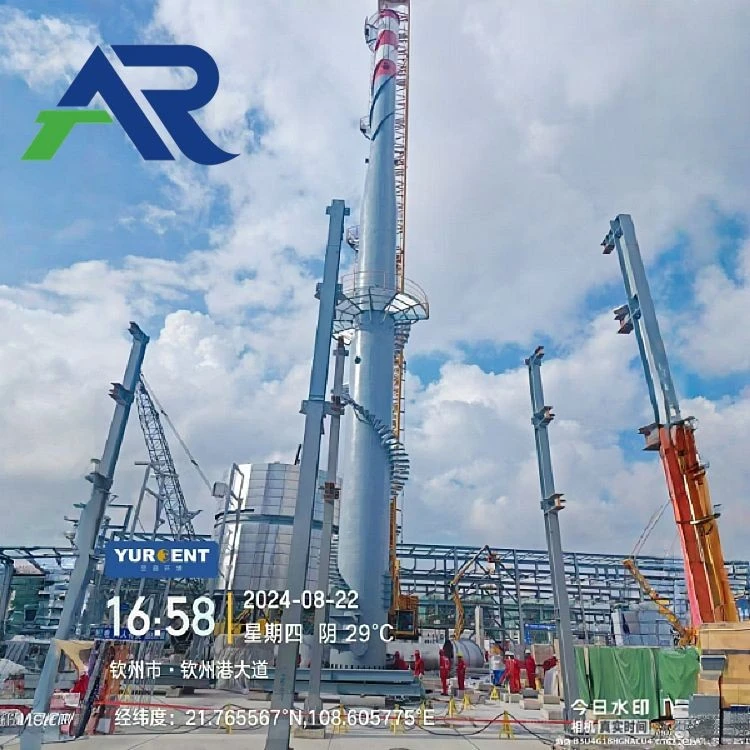
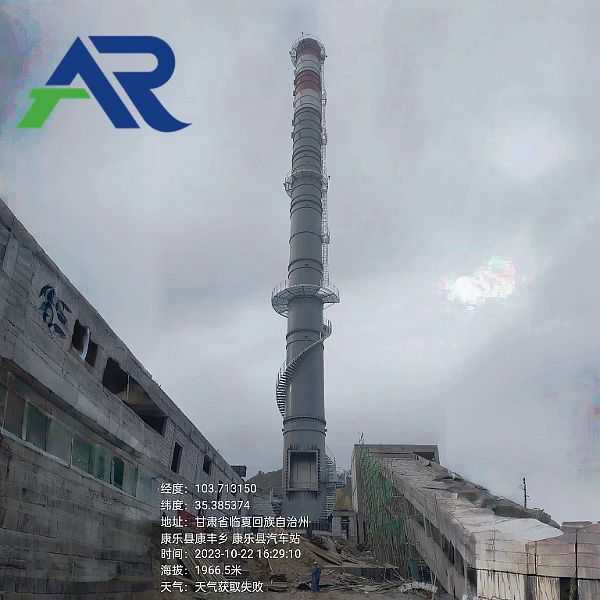
Before we discuss the use of dampers, it's essential to understand what a multi-sleeve chimney is. A multi-sleeve chimney consists of multiple concentric sleeves or walls, each serving a specific purpose. The inner sleeve typically carries the flue gases, while the outer sleeves provide insulation, protection, and structural support. This design offers several benefits, including improved thermal efficiency, reduced heat loss, and enhanced durability.
Multi-sleeve chimneys are commonly made from high-quality materials such as stainless steel, which provides excellent corrosion resistance and longevity. They are suitable for a wide range of applications, including industrial furnaces, power plants, and residential heating systems.
The Role of Dampers in Chimneys
Dampers are devices installed in chimneys to control the flow of air and flue gases. They can be manually or automatically operated and are typically located near the base or top of the chimney. The primary functions of dampers include:
- Regulating Draft: Dampers help to adjust the draft, or the flow of air through the chimney. By opening or closing the damper, you can control the amount of air entering the chimney, which affects the combustion process and the efficiency of the heating system.
- Preventing Backdrafts: Backdrafts occur when the flow of air in the chimney reverses, causing smoke and fumes to enter the building. Dampers can be used to prevent backdrafts by closing off the chimney when the heating system is not in use.
- Reducing Heat Loss: When the heating system is not in operation, dampers can be closed to prevent warm air from escaping through the chimney. This helps to reduce energy consumption and lower heating costs.
Can a Multi-sleeve Chimney be Used Without a Damper?
The answer to this question depends on several factors, including the specific application, the design of the chimney, and the type of heating system being used. In some cases, a multi-sleeve chimney can be used without a damper, while in others, a damper may be necessary for optimal performance and safety.
Situations Where a Damper May Not Be Required
- Constant Operation: If the heating system is operated continuously, such as in an industrial furnace or a power plant, a damper may not be necessary. In these applications, the chimney is designed to maintain a consistent draft, and the flow of air and flue gases is regulated by other means, such as fans or blowers.
- High-Efficiency Systems: Some modern heating systems are designed to be highly efficient and do not require a damper to control the draft. These systems use advanced combustion technology and airflow management to optimize the combustion process and minimize heat loss.
- Well-Insulated Chimneys: Multi-sleeve chimneys are typically well-insulated, which helps to reduce heat loss and maintain a stable draft. In some cases, the insulation provided by the multi-sleeve design may be sufficient to prevent backdrafts and reduce the need for a damper.
Situations Where a Damper May Be Necessary
- Intermittent Operation: If the heating system is used intermittently, such as in a residential fireplace or a small wood stove, a damper is usually recommended. When the heating system is not in use, closing the damper can prevent warm air from escaping through the chimney and reduce energy consumption.
- Low-Efficiency Systems: Older or less efficient heating systems may require a damper to control the draft and improve combustion efficiency. By adjusting the damper, you can ensure that the right amount of air is entering the chimney, which helps to prevent incomplete combustion and the formation of harmful pollutants.
- Variable Draft Requirements: In some cases, the draft requirements of the heating system may vary depending on the operating conditions. For example, a fireplace may require a stronger draft when starting a fire and a weaker draft once the fire is established. A damper can be used to adjust the draft to meet these changing requirements.
Advantages of Using a Damper in a Multi-sleeve Chimney
Even if a multi-sleeve chimney can technically be used without a damper, there are several advantages to installing one:
- Energy Efficiency: By closing the damper when the heating system is not in use, you can prevent warm air from escaping through the chimney and reduce energy consumption. This can result in significant cost savings over time, especially in colder climates.
- Improved Safety: Dampers can help to prevent backdrafts, which can cause smoke and fumes to enter the building. This is particularly important in residential settings, where backdrafts can pose a health hazard to occupants.
- Enhanced Performance: A damper allows you to control the draft and optimize the combustion process, which can improve the efficiency and performance of the heating system. This can result in better heat output, reduced fuel consumption, and lower emissions.
Disadvantages of Using a Damper in a Multi-sleeve Chimney
While there are many advantages to using a damper in a multi-sleeve chimney, there are also some potential drawbacks:
- Maintenance Requirements: Dampers require regular maintenance to ensure that they are functioning properly. This may include cleaning, lubrication, and inspection for wear and tear.
- Cost: The installation of a damper can add to the initial cost of the chimney system. In addition, there may be ongoing costs associated with maintenance and replacement.
- Complexity: The addition of a damper can increase the complexity of the chimney system, which may require more skilled installation and maintenance.
Conclusion
In conclusion, whether a multi-sleeve chimney can be used without a damper depends on several factors, including the specific application, the design of the chimney, and the type of heating system being used. In some cases, a damper may not be necessary, while in others, it may be essential for optimal performance and safety.
As a supplier of Multi-sleeve Chimney, I recommend consulting with a qualified chimney professional to determine the best solution for your specific needs. They can assess your heating system, evaluate the design of your chimney, and provide expert advice on whether a damper is necessary.
If you are considering purchasing a multi-sleeve chimney or have any questions about dampers or chimney systems, please feel free to contact us. We are here to help you find the right solution for your application and ensure that your chimney system operates safely and efficiently.
References
- "Chimney Design and Installation Standards," National Fire Protection Association.
- "Heating System Efficiency and Performance," American Society of Heating, Refrigerating and Air-Conditioning Engineers.
- "Stainless Steel Chimney Systems: A Guide to Selection and Installation," International Association of Plumbing and Mechanical Officials.