

In the era of rapid technological advancement, smart city infrastructure has become a focal point of urban development. Among these, smart light poles stand out as a revolutionary innovation that combines lighting with various intelligent functions. As a supplier of smart light poles, I often encounter a common question: Can a smart light pole be remotely controlled? The answer is a resounding yes, and in this blog, I will delve into the details of how this is possible, the benefits it brings, and the implications for urban management.
How Smart Light Poles Enable Remote Control
Smart light poles are equipped with a range of sensors, communication modules, and intelligent control systems that allow them to be remotely managed. At the heart of this functionality is the Internet of Things (IoT) technology. IoT enables the connection of physical devices to the internet, facilitating data exchange and control.
Sensor Technology
Smart light poles are typically fitted with multiple sensors, such as light sensors, motion sensors, environmental sensors, and traffic sensors. These sensors collect data on various parameters, such as ambient light levels, pedestrian and vehicle movement, air quality, and traffic flow. For example, light sensors can detect the amount of natural light available and adjust the brightness of the light pole accordingly. This not only saves energy but also ensures optimal lighting conditions at all times.
Communication Modules
To transmit the data collected by the sensors and receive control commands, smart light poles are equipped with communication modules. These modules can use various wireless communication technologies, such as Wi-Fi, Bluetooth, ZigBee, or LoRaWAN. Each technology has its own advantages in terms of range, data transfer rate, and power consumption. For instance, LoRaWAN is a long-range, low-power wireless communication protocol that is ideal for large-scale smart city deployments. It allows smart light poles to communicate with a central management system over long distances without consuming excessive power.
Intelligent Control Systems
The data collected by the sensors is sent to a central management system, which can be accessed remotely via a web-based interface or a mobile application. The central management system uses algorithms and artificial intelligence to analyze the data and make decisions. For example, if the traffic sensors detect heavy traffic on a particular road, the system can adjust the traffic signal timings accordingly. Similarly, if the environmental sensors detect high levels of air pollution, the system can activate air quality monitoring and alert relevant authorities.
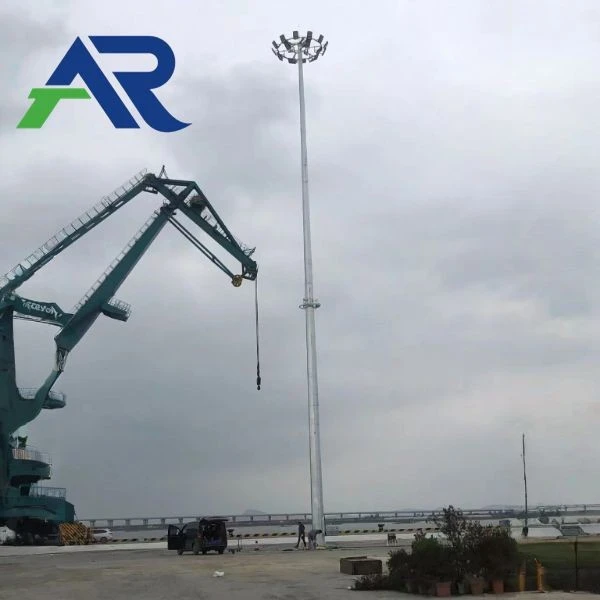
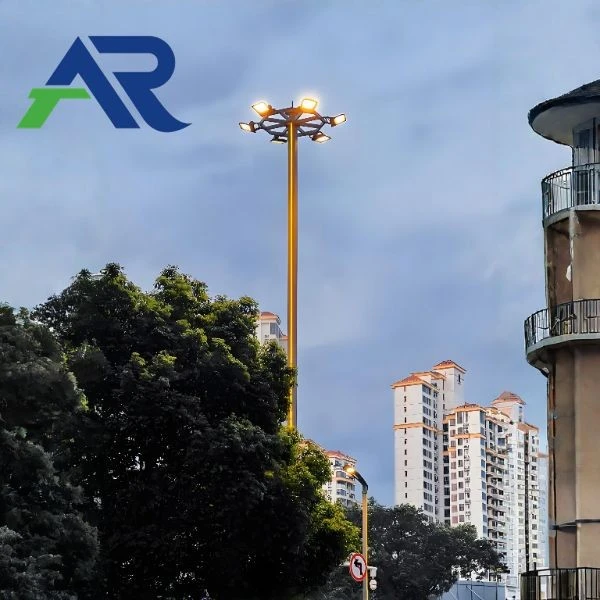
Benefits of Remote Control for Smart Light Poles
The ability to remotely control smart light poles offers numerous benefits for both urban management and the general public.
Energy Efficiency
One of the primary advantages of remote control is energy savings. By adjusting the brightness of the light poles based on ambient light levels and traffic conditions, energy consumption can be significantly reduced. According to a study by the American Council for an Energy-Efficient Economy, smart lighting systems can save up to 80% of energy compared to traditional lighting systems. This not only reduces the carbon footprint but also lowers the operating costs for municipalities.
Improved Safety and Security
Remote control allows for real-time monitoring and management of smart light poles. In case of an emergency, such as a power outage or a traffic accident, the central management system can quickly adjust the lighting and other functions to ensure the safety of pedestrians and motorists. For example, the system can increase the brightness of the light poles in the affected area or activate emergency lighting. Additionally, smart light poles can be integrated with surveillance cameras and other security devices to enhance public safety.
Enhanced Urban Management
Smart light poles provide valuable data on various aspects of urban life, such as traffic flow, air quality, and environmental conditions. This data can be used by urban planners and policymakers to make informed decisions about urban development and resource allocation. For example, the traffic data collected by smart light poles can be used to optimize traffic signal timings and reduce congestion. Similarly, the environmental data can be used to develop strategies for improving air quality and reducing pollution.
Cost Savings
Remote control eliminates the need for manual inspection and maintenance of smart light poles. The central management system can detect faults and malfunctions in real-time and send alerts to maintenance personnel. This reduces the time and cost associated with maintenance and repairs. Additionally, the energy savings achieved through remote control can result in significant cost savings over the long term.
Implications for Urban Management
The widespread adoption of smart light poles with remote control capabilities has far-reaching implications for urban management.
Smart City Integration
Smart light poles are an essential component of smart city infrastructure. They can be integrated with other smart city systems, such as traffic management systems, environmental monitoring systems, and public safety systems, to create a more connected and efficient city. For example, smart light poles can be used to provide Wi-Fi connectivity to the public, which can enhance the digital experience of urban residents.
Data-Driven Decision Making
The data collected by smart light poles provides valuable insights into urban life. Urban planners and policymakers can use this data to make informed decisions about urban development, resource allocation, and service delivery. For example, the traffic data can be used to identify areas with high traffic congestion and develop strategies for improving traffic flow. Similarly, the environmental data can be used to develop policies for reducing air pollution and improving public health.
Public Engagement
Smart light poles can also be used to engage with the public and improve the quality of life in cities. For example, smart light poles can be used to display public information, such as news, events, and emergency alerts. Additionally, they can be used to provide interactive services, such as wayfinding and public transportation information.
Conclusion
In conclusion, smart light poles can indeed be remotely controlled, thanks to the integration of IoT technology, sensors, communication modules, and intelligent control systems. The ability to remotely control smart light poles offers numerous benefits, including energy efficiency, improved safety and security, enhanced urban management, and cost savings. As a supplier of Smart Light Pole, I am excited about the potential of smart light poles to transform urban environments and improve the quality of life for urban residents.
If you are interested in learning more about our smart light poles or would like to discuss a potential procurement, please feel free to reach out. We are committed to providing high-quality smart light pole solutions that meet the needs of your city or project.
References
- American Council for an Energy-Efficient Economy. (Year). Smart Lighting: Energy Savings and Benefits.
- Various industry reports on smart city infrastructure and IoT technology.