

As a supplier of corrugated steel culverts, ensuring the stability of these structures is of paramount importance. Corrugated steel culverts are widely used in various applications, including drainage systems, road crossings, and even in specialized areas like subway passages, coal mine corridors, and wind tower foundations. In this blog, I will share some key strategies and considerations to ensure the stability of corrugated steel culverts.
1. Site Investigation and Preparation
Before installing a corrugated steel culvert, a thorough site investigation is essential. This involves assessing the soil conditions, topography, and hydrological characteristics of the site. The soil type and its bearing capacity play a crucial role in the stability of the culvert. For example, soft or expansive soils may require additional ground improvement measures such as soil stabilization or the use of deep foundations.
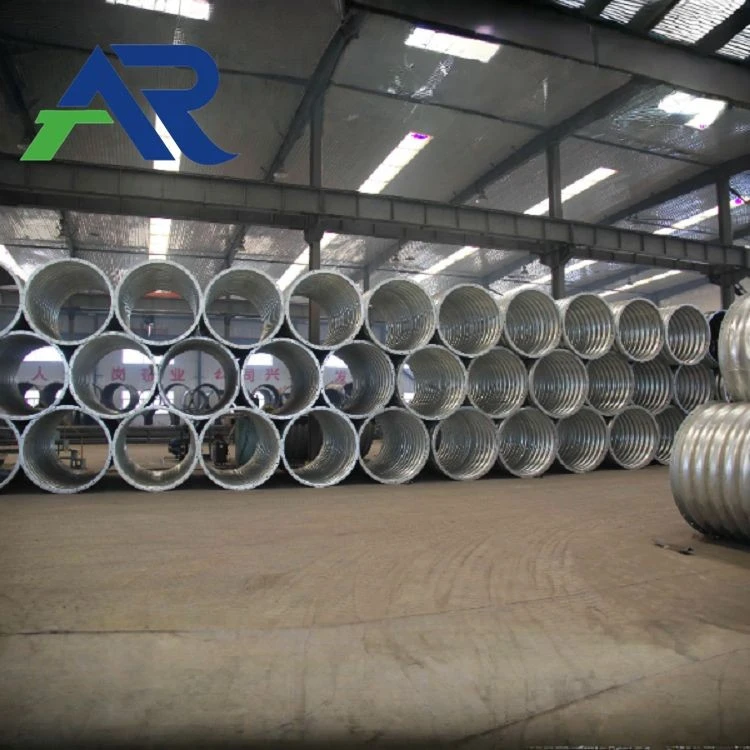

Topography also affects the installation and stability of the culvert. Uneven terrain may need to be graded to provide a level base for the culvert. Additionally, the hydrological analysis helps in determining the flow capacity and potential flood conditions, which are important factors in designing the culvert.
2. Proper Design and Sizing
The design of the corrugated steel culvert should be based on the specific requirements of the project. Factors such as the expected traffic load, water flow rate, and soil conditions need to be considered. The corrugation pattern and dimensions of the culvert also impact its stability. A well - designed culvert will have the appropriate strength and stiffness to withstand the external loads.
When sizing the culvert, it is important to ensure that it can handle the peak flow rates without causing backwater or flooding. Over - sizing or under - sizing the culvert can lead to stability issues. For instance, an under - sized culvert may be overloaded during heavy rainfall, causing it to deform or fail.
3. Quality of Materials
As a supplier, we understand the importance of using high - quality materials. The steel used in corrugated steel culverts should have the appropriate strength, corrosion resistance, and durability. Galvanized steel is commonly used due to its excellent corrosion protection. The manufacturing process should also follow strict quality control standards to ensure that the culvert meets the required specifications.
Regular inspections of the materials during the manufacturing process can help identify any defects or inconsistencies. This ensures that only high - quality culverts are delivered to the project site.
4. Installation Techniques
Proper installation is crucial for the stability of the corrugated steel culvert. The installation process should follow the manufacturer's guidelines and industry best practices. The culvert should be placed on a well - compacted and level base to prevent uneven settlement.
During installation, the joints between the culvert sections need to be properly sealed to prevent water leakage. The backfilling around the culvert should be done carefully, using suitable materials and proper compaction techniques. The backfill material should be free of large rocks or debris that could damage the culvert.
5. Maintenance and Monitoring
Once the corrugated steel culvert is installed, regular maintenance and monitoring are necessary to ensure its long - term stability. Inspections should be carried out periodically to check for signs of corrosion, deformation, or damage. Any issues should be addressed promptly to prevent further deterioration.
Monitoring the water flow and sediment accumulation inside the culvert can also provide valuable information about its performance. If sediment build - up is excessive, it may need to be removed to maintain the flow capacity and prevent additional stress on the culvert.
Special Applications and Their Considerations
Corrugated Pipe for Subway Passage
In subway passages, corrugated steel culverts need to withstand not only the normal soil and water loads but also the dynamic loads from subway trains. The culvert should be designed with sufficient strength and flexibility to absorb the vibrations and shocks. You can find more information about our Corrugated Pipe for Subway Passage.
Corrugated Pipe for Coal Mine Corridor
In coal mine corridors, the culvert may be exposed to harsh environmental conditions, including high humidity, acidic water, and coal dust. Corrosion resistance becomes even more critical in such applications. The design should also consider the potential for ground movement due to mining activities. Our Corrugated Pipe for Coal Mine Corridor is specifically designed to meet these challenges.
Wind Tower Foundation Corrugated Outer Tube
For wind tower foundations, the corrugated outer tube provides additional support and protection. It needs to be designed to withstand the high wind loads and the weight of the wind tower. The stability of the foundation is crucial for the overall safety and performance of the wind tower. Check out our Wind Tower Foundation Corrugated Outer Tube for more details.
Conclusion
Ensuring the stability of corrugated steel culverts requires a comprehensive approach that includes site investigation, proper design, high - quality materials, correct installation, and regular maintenance. By following these guidelines, we can provide our customers with reliable and long - lasting corrugated steel culverts for various applications.
If you are interested in purchasing corrugated steel culverts for your project, we invite you to contact us for a detailed discussion. Our team of experts is ready to assist you in choosing the right product and ensuring its successful installation.
References
- American Iron and Steel Institute. (20XX). Design Manual for Corrugated Steel Structural Plate Pipe and Arches.
- Federal Highway Administration. (20XX). Hydraulic Design of Highway Culverts.
- ASTM International. (20XX). Standards for Steel Products Used in Corrugated Steel Culverts.