

What are the air - tightness requirements for a stainless steel factory chimney?
As a supplier of Stainless Steel Factory Chimneys, I understand the critical role that air - tightness plays in the performance and safety of these industrial components. In this blog, I will delve into the air - tightness requirements for stainless steel factory chimneys, exploring why they are important, the standards involved, and how we ensure our products meet these stringent criteria.
Why Air - tightness Matters in Stainless Steel Factory Chimneys
- Safety First
The primary reason for maintaining proper air - tightness in a stainless steel factory chimney is safety. Factory chimneys are responsible for venting harmful gases and fumes produced during industrial processes. If the chimney is not air - tight, these hazardous substances can leak into the surrounding environment, posing a significant risk to the health of factory workers and the general public. For example, in a chemical manufacturing plant, toxic gases such as sulfur dioxide or nitrogen oxides can cause respiratory problems, eye irritation, and even long - term health issues if they escape from the chimney. - Energy Efficiency
Air - tightness also has a direct impact on energy efficiency. A well - sealed chimney prevents the loss of hot gases, which means that the industrial heating or combustion system can operate more effectively. When hot gases escape through leaks in the chimney, the system has to work harder to maintain the desired temperature, leading to increased energy consumption and higher operating costs. In a large - scale factory, these energy losses can add up to a substantial amount over time. - Environmental Protection
In today's environmentally conscious world, it is crucial to minimize the emission of pollutants into the atmosphere. An air - tight chimney helps to ensure that all the gases and particles produced during industrial processes are properly vented and treated before being released. This reduces the environmental impact of the factory and helps the facility comply with strict environmental regulations.
Standards for Air - tightness in Stainless Steel Factory Chimneys
- National and International Standards
There are several national and international standards that govern the air - tightness requirements for factory chimneys. For example, in the United States, the American Society of Mechanical Engineers (ASME) has developed standards for the design, construction, and inspection of chimneys. These standards specify the maximum allowable leakage rates for different types of chimneys based on their size, application, and operating conditions.
In Europe, the European Committee for Standardization (CEN) has established similar standards. The EN 13986 standard, for instance, provides guidelines for the air - tightness of building products, including factory chimneys. It defines the test methods and acceptance criteria for measuring air leakage. - Industry - Specific Requirements
In addition to national and international standards, different industries may have their own specific air - tightness requirements. For example, the food and beverage industry may require a higher level of air - tightness in their chimneys to prevent the contamination of products by external air or pollutants. The pharmaceutical industry also has strict requirements to ensure the purity of the air in the manufacturing environment.
Ensuring Air - tightness in Our Stainless Steel Factory Chimneys
- High - Quality Materials
We use only the highest quality stainless steel materials in the manufacturing of our factory chimneys. Stainless steel is known for its excellent corrosion resistance, durability, and ability to maintain its integrity under high temperatures and harsh conditions. This ensures that the chimney structure remains strong and air - tight over its lifespan. - Precision Manufacturing
Our manufacturing process is highly precise, with strict quality control measures in place at every stage. We use advanced welding techniques to join the different sections of the chimney, ensuring a seamless and air - tight connection. The joints are carefully inspected to detect any potential leaks, and any defects are immediately corrected. - Testing and Certification
Before our stainless steel factory chimneys are delivered to customers, they undergo rigorous testing to ensure compliance with the relevant air - tightness standards. We use state - of - the - art testing equipment to measure the air leakage rate of the chimney under simulated operating conditions. Once the chimney passes the tests, it is certified to meet the required air - tightness specifications.
Types of Stainless Steel Factory Chimneys and Their Air - tightness
- Single Sleeve Chimney
A Single Sleeve Chimney consists of a single layer of stainless steel. While it is a relatively simple design, it still requires a high level of air - tightness. Our single sleeve chimneys are designed with precision - welded seams and proper sealing gaskets to prevent air leakage. They are suitable for smaller factories or applications where the venting requirements are not extremely high. - Multi - sleeve Chimney
A Multi - sleeve Chimney is a more complex design that consists of multiple layers of stainless steel. This type of chimney offers better insulation and air - tightness compared to a single sleeve chimney. The additional layers help to reduce heat loss and prevent the entry of external air. Our multi - sleeve chimneys are engineered to meet the most demanding air - tightness requirements, making them ideal for large - scale industrial applications.
Conclusion
In conclusion, air - tightness is a critical factor in the performance, safety, and environmental impact of stainless steel factory chimneys. By adhering to national and international standards, using high - quality materials, and implementing precise manufacturing and testing processes, we ensure that our Stainless Steel Factory Chimney products meet the highest air - tightness requirements.
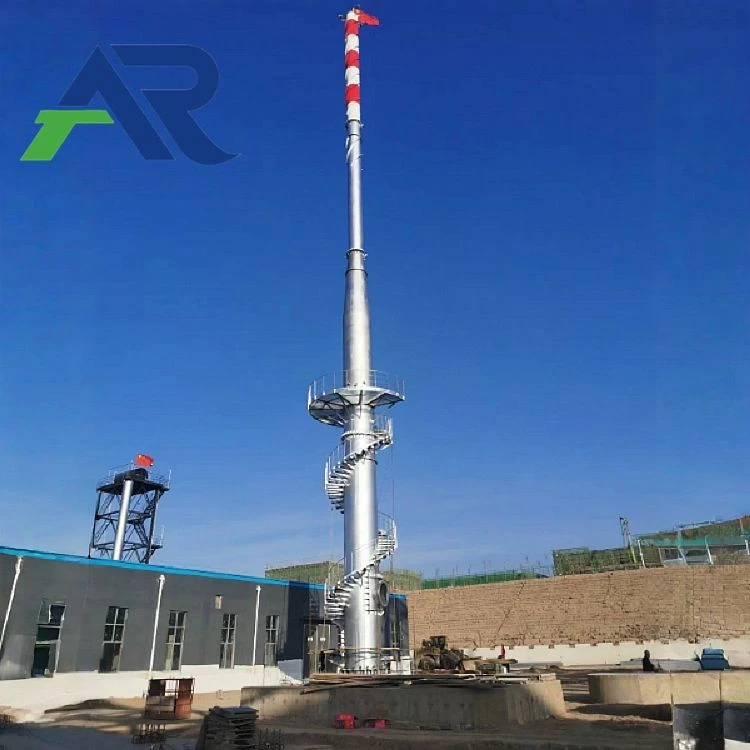
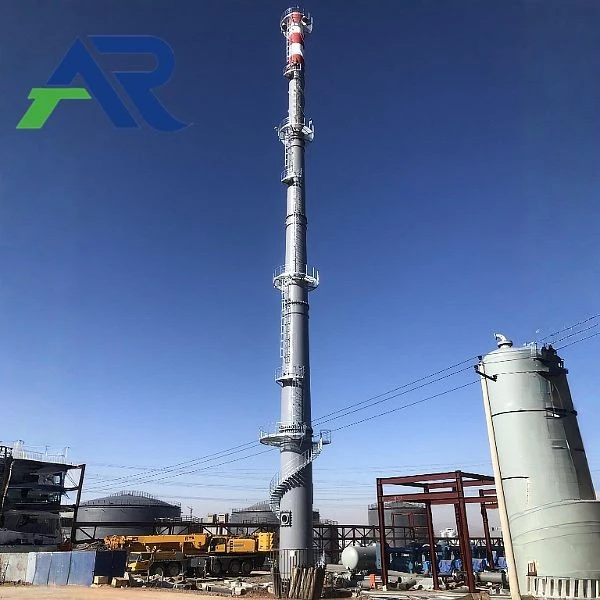
If you are in the market for a reliable and air - tight stainless steel factory chimney, we invite you to contact us for more information. Our team of experts is ready to assist you in selecting the right chimney for your specific needs and to provide you with a competitive quote. We look forward to the opportunity to work with you and help you achieve optimal performance and safety in your industrial operations.
References
- American Society of Mechanical Engineers (ASME) standards
- European Committee for Standardization (CEN) EN 13986 standard
- Industry - specific guidelines and regulations