

Hey there! As a supplier of free standing chimneys, I often get asked whether these chimneys need a damper. It's a question that's on the minds of many homeowners and business owners alike, so I thought I'd take the time to break it down for you.
First off, let's talk about what a damper is. A damper is a valve or plate that's installed in the chimney flue. Its main job is to control the flow of air and smoke through the chimney. When the damper is open, air can freely move up the chimney, allowing smoke to escape. When it's closed, it restricts the airflow, which can help keep warm air inside during the colder months or prevent unwanted drafts.
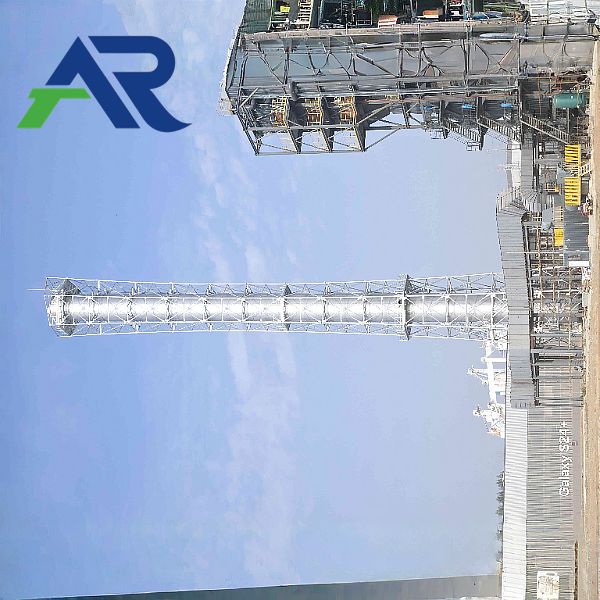
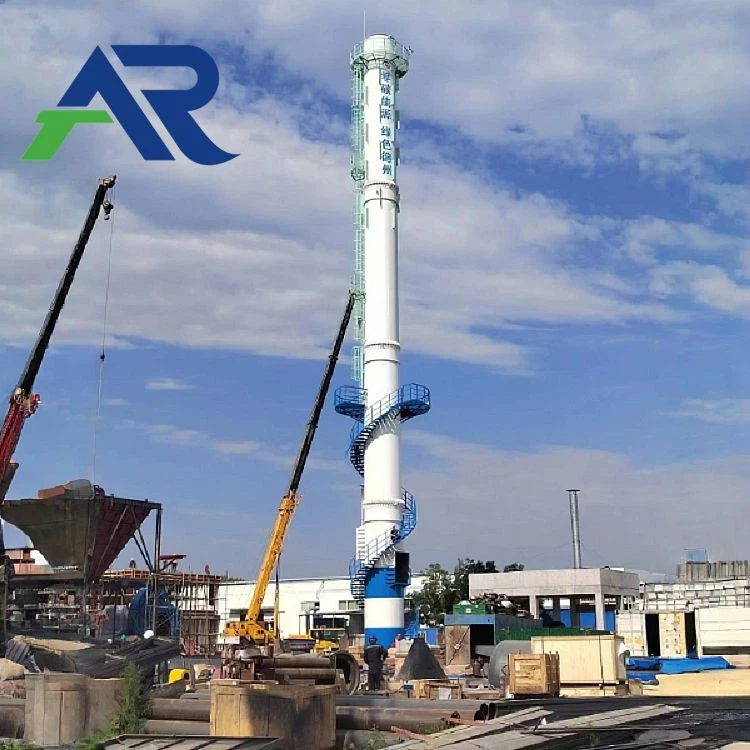
Now, do free standing chimneys need a damper? Well, the answer isn't a simple yes or no. It depends on a few factors.
Benefits of Having a Damper in a Free Standing Chimney
Energy Efficiency
One of the biggest advantages of having a damper in your free standing chimney is improved energy efficiency. When you're not using the chimney, closing the damper can prevent warm air from escaping through the flue. This means your heating system doesn't have to work as hard to keep your space warm, which can save you money on your energy bills. For example, during the winter, a closed damper can act as a barrier, keeping the cozy heat inside your home or office.
Smoke Control
A damper also gives you better control over the flow of smoke. When you're starting a fire, you can open the damper wide to allow plenty of air to enter the chimney. This helps the fire get going quickly and ensures that the smoke is properly vented outside. Once the fire is burning well, you can adjust the damper to regulate the airflow and keep the fire burning at the right intensity.
Moisture Prevention
Moisture can be a big problem in chimneys. When warm, moist air from inside the building rises up the chimney and comes into contact with the cold flue walls, it can condense and form water droplets. This can lead to problems like rust, mold, and deterioration of the chimney structure. A damper can help prevent this by reducing the amount of warm, moist air that enters the chimney when it's not in use. By closing the damper, you can keep the chimney dry and extend its lifespan.
Situations Where a Damper Might Not Be Necessary
Continuous Use
If your free standing chimney is used continuously, such as in a commercial kitchen or a factory where the fire is always burning, a damper might not be as essential. In these cases, the constant flow of air and smoke through the chimney helps to keep it dry and functioning properly. However, even in these situations, having a damper can still provide some benefits, such as the ability to adjust the airflow for better combustion control.
Simple Design
Some free standing chimneys have a very simple design that doesn't require a damper. For example, a single sleeve chimney with a straight flue might not need a damper if it's designed to provide adequate airflow on its own. However, it's important to note that these types of chimneys are less common, and most modern free standing chimneys are designed with dampers for added functionality.
Types of Dampers for Free Standing Chimneys
Top-Mounted Dampers
Top-mounted dampers are installed at the top of the chimney. They're often used in industrial settings or in situations where the chimney is exposed to the elements. These dampers are typically made of durable materials like stainless steel and are designed to withstand high temperatures and harsh weather conditions. One of the advantages of top-mounted dampers is that they can prevent rain, snow, and debris from entering the chimney.
Throat Dampers
Throat dampers are installed inside the chimney flue, near the firebox. They're the most common type of damper used in residential and commercial free standing chimneys. Throat dampers are usually operated by a lever or a cable, which allows you to easily open and close them. They're relatively easy to install and maintain, and they provide good control over the airflow and smoke.
Our Free Standing Chimney Products
At our company, we offer a wide range of free standing chimneys to suit different needs and applications. Whether you're looking for a Stainless Steel Factory Chimney for your industrial facility or a Multi-sleeve Chimney for your commercial building, we've got you covered. We also have Single Sleeve Chimney options that are perfect for smaller spaces or residential use.
All of our chimneys are designed with quality and functionality in mind. We use the latest technology and materials to ensure that our chimneys are durable, efficient, and safe. And if you're not sure whether you need a damper for your chimney, our team of experts is here to help. We can provide you with personalized advice and recommendations based on your specific requirements.
Making the Decision
So, should you get a damper for your free standing chimney? In most cases, the answer is yes. The benefits of having a damper, such as improved energy efficiency, smoke control, and moisture prevention, far outweigh the cost and installation effort. However, it's important to consider your specific situation and needs before making a decision. If you're still not sure, I recommend consulting with a professional chimney installer or a heating engineer. They can assess your chimney and provide you with expert advice on whether a damper is right for you.
Contact Us for Procurement
If you're interested in purchasing a free standing chimney or have any questions about our products, we'd love to hear from you. Our team is ready to assist you with all your chimney needs, from selection to installation. Don't hesitate to reach out and start the procurement process. We're committed to providing you with the best products and services to ensure your satisfaction.
References
- "Chimney Basics: Dampers and Their Importance." Home Improvement Journal.
- "Energy Efficiency in Chimneys: The Role of Dampers." Building Science Magazine.
- "Types of Chimney Dampers and Their Applications." Industrial Heating Review.