
Hey there! As a supplier of Titanium Steel Composite Plate Chimneys, I've seen firsthand the challenges and intricacies of installing these bad boys in complex environments. Today, I'm gonna share some of the installation skills and tips that I've picked up over the years.
Understanding the Complex Environment
First things first, we need to understand what a complex environment means in the context of chimney installation. It could be anything from a high - altitude area with low air pressure and extreme temperature variations, to an industrial site with high levels of corrosive gases and vibrations.
In high - altitude areas, the low air pressure can affect the draft of the chimney. The reduced air density means that the flue gases might not rise as efficiently as they would at sea level. This could lead to a buildup of gases inside the chimney, which is not only a safety hazard but can also reduce the overall efficiency of the system.
On the other hand, industrial sites are a whole different ballgame. The presence of corrosive gases like sulfur dioxide and hydrochloric acid can eat away at the chimney material if it's not properly protected. And let's not forget about the vibrations caused by heavy machinery. These vibrations can loosen the chimney joints over time, leading to leaks and structural instability.
Pre - installation Planning
Before we even think about installing the Titanium Steel Composite Plate Chimney, we need to do some serious planning. This involves a detailed site survey. We need to assess the soil conditions, the surrounding structures, and the prevailing wind patterns.
The soil conditions are crucial because they determine the type of foundation we need to build for the chimney. If the soil is soft or unstable, we might need to install deep foundations or use special reinforcement techniques to ensure the chimney remains stable.
The surrounding structures can also have an impact on the chimney installation. For example, if there are other buildings nearby, we need to make sure that the chimney doesn't obstruct any ventilation systems or cause any safety hazards. And the prevailing wind patterns can affect the draft of the chimney, so we need to position it in a way that maximizes the natural draft.
Choosing the Right Installation Method
There are several installation methods available for Titanium Steel Composite Plate Chimneys, and the choice depends on the specific requirements of the complex environment.
One common method is the modular installation. In this method, the chimney is pre - fabricated into sections at the factory and then transported to the site for assembly. This is a great option for complex environments because it reduces the on - site construction time and minimizes the risk of errors. The pre - fabricated sections are also easier to handle and install, especially in areas with limited access.
Another method is the in - situ installation. This involves building the chimney directly on the site. It's a more time - consuming process, but it allows for more flexibility in terms of design and customization. This method is often preferred in environments where the chimney needs to be integrated with other structures or where there are specific site - specific requirements.

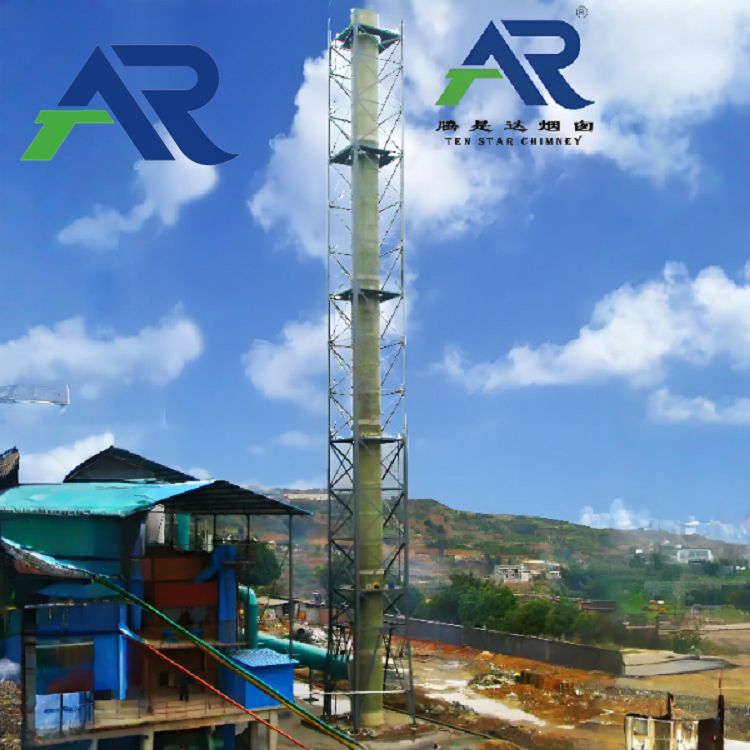
Handling and Transportation
Once we've chosen the installation method, we need to focus on handling and transporting the chimney components. Titanium Steel Composite Plate Chimneys are heavy and bulky, so we need to use the right equipment and techniques to ensure their safe transportation.
We should use specialized trailers and lifting equipment to move the chimney sections. And during transportation, we need to make sure that the components are properly secured to prevent any damage. This might involve using straps, braces, or other types of restraints.
At the installation site, we need to have a clear plan for unloading and storing the chimney components. They should be stored in a dry and secure area to prevent corrosion and damage.
Installation Process
Now, let's get into the actual installation process. The first step is to install the foundation. As I mentioned earlier, the type of foundation depends on the soil conditions. Once the foundation is in place, we can start assembling the chimney sections.
If we're using the modular installation method, we need to make sure that the sections are properly aligned and connected. We can use welding or mechanical fasteners to join the sections together. It's important to follow the manufacturer's instructions carefully to ensure a proper and secure connection.
During the installation, we also need to pay attention to the insulation. Titanium Steel Composite Plate Chimneys often require insulation to prevent heat loss and protect the surrounding structures. The insulation material should be selected based on the specific requirements of the complex environment. For example, in areas with high temperatures, we might need to use high - temperature insulation materials.
Quality Control
Quality control is a crucial part of the installation process, especially in complex environments. We need to conduct regular inspections to ensure that the chimney is being installed correctly and that it meets all the safety and performance standards.
We should check the alignment of the chimney sections, the tightness of the joints, and the integrity of the insulation. We can use non - destructive testing methods like ultrasonic testing and X - ray testing to detect any internal defects in the chimney material.
Comparison with Other Chimney Types
When it comes to chimney options, there are a few other types out there, such as Fiberglass Chimney and Stainless Steel Chimneys. While these have their own advantages, Titanium Steel Composite Plate Chimneys offer some unique benefits in complex environments.
Fiberglass chimneys are lightweight and corrosion - resistant, but they might not be as strong or durable as Titanium Steel Composite Plate Chimneys. They can also be more prone to damage from high temperatures and mechanical stress.
Stainless steel chimneys are also a popular choice, but they can be more expensive and might not offer the same level of corrosion resistance as Titanium Steel Composite Plate Chimneys in highly corrosive environments.
Post - installation Maintenance
Once the Titanium Steel Composite Plate Chimney is installed, the work doesn't stop there. We need to establish a regular maintenance schedule to ensure its long - term performance and safety.
This includes regular inspections for signs of corrosion, wear and tear, and damage. We should also clean the chimney regularly to remove any buildup of soot and debris. And if any repairs or replacements are needed, we should address them as soon as possible.
Conclusion
Installing a Titanium Steel Composite Plate Chimney in a complex environment is no easy feat. It requires careful planning, the right installation method, and strict quality control. But with the right skills and knowledge, we can ensure a successful installation.
If you're in the market for a Titanium Steel Composite Plate Chimney for your complex environment, I'd love to chat with you. We can discuss your specific requirements and come up with the best solution for your project. Don't hesitate to reach out and start the procurement discussion.
References
- "Chimney Design and Installation Handbook"
- "Corrosion Resistance of Titanium Steel Composites in Industrial Environments"
- "High - Altitude Chimney Installation Guidelines"