

Hey there! I'm a supplier of free standing chimneys, and I've been getting a lot of questions lately about whether these chimneys are energy - efficient. So, I thought I'd take the time to break it down for you all.
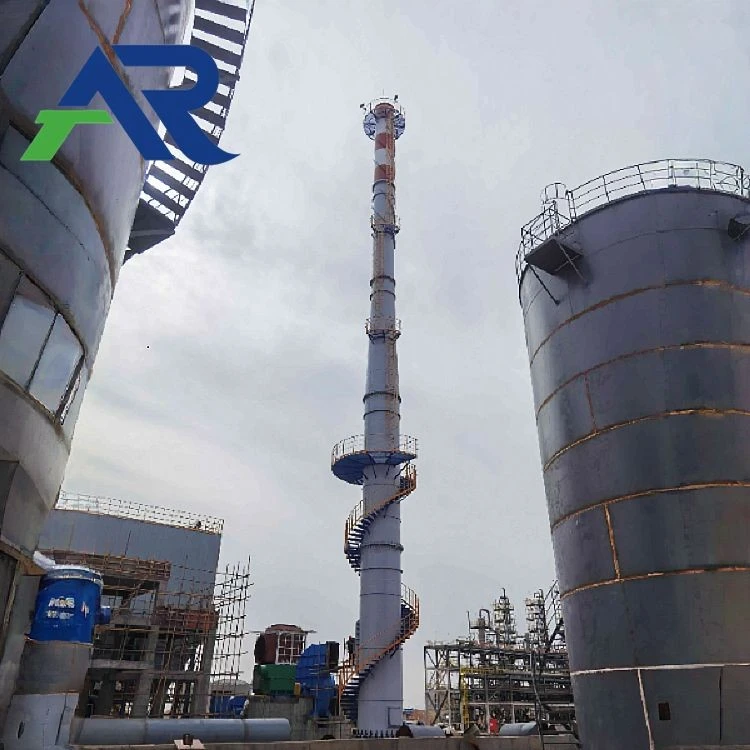
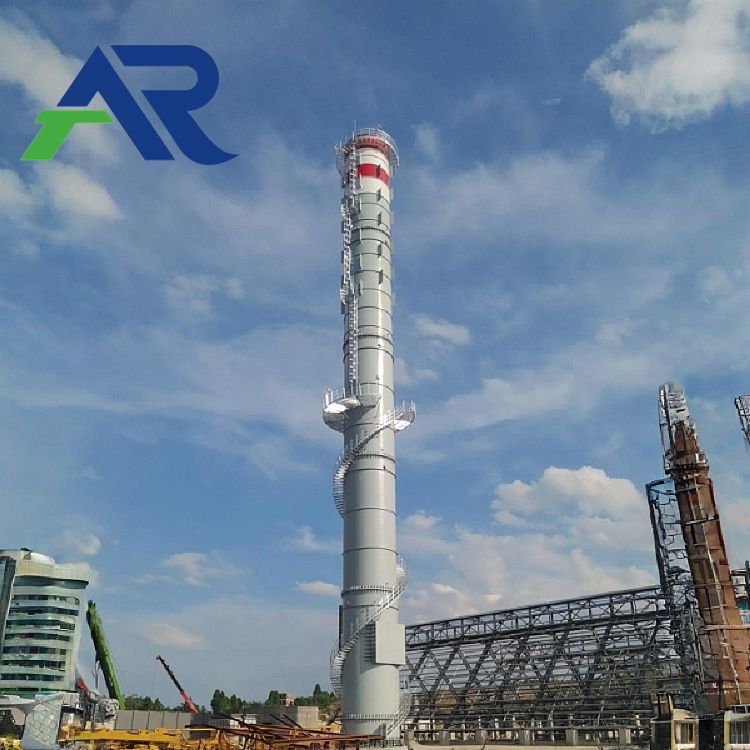
Let's start with the basics. Free standing chimneys come in different types, like the Single Sleeve Chimney, Stainless Steel Factory Chimney, and Multi - sleeve Chimney. Each type has its own features that can impact energy efficiency.
First off, what does energy efficiency mean when it comes to chimneys? In simple terms, it's about how well a chimney can help you use less energy while still getting the job done. For a chimney, that job is mainly venting out the by - products of combustion, like smoke and gases, without letting too much heat escape.
Let's talk about single sleeve chimneys. These are relatively simple in design. They have a single layer of material to carry the exhaust. On one hand, they're cost - effective and easy to install. But when it comes to energy efficiency, they might not be the best option. Since they have just one layer, there's not much insulation. This means that a fair amount of the heat from the exhaust can transfer through the chimney wall and be lost to the surrounding environment. So, if you're looking to keep as much heat as possible inside your building, a single sleeve chimney might not be your top pick.
Now, stainless steel factory chimneys. Stainless steel is a great material for chimneys. It's durable, resistant to corrosion, and can handle high temperatures. But energy efficiency? Well, it depends on the construction. Some stainless steel chimneys are well - insulated, which helps to keep the heat inside the chimney and direct it up and out. The insulation reduces heat transfer to the outside, so less energy is wasted. However, if a stainless steel chimney isn't properly insulated, it can still lose a significant amount of heat. You've got to make sure you're getting a high - quality, well - insulated stainless steel chimney to maximize energy efficiency.
Multi - sleeve chimneys are a bit more complex. They typically have multiple layers, with an inner liner to carry the exhaust and outer layers for insulation and protection. This design is great for energy efficiency. The insulation layers help to trap the heat inside the chimney, preventing it from seeping out into the surrounding area. By keeping the heat in the chimney, the exhaust gases stay hot and rise more efficiently. This means that the chimney can work better with less energy input. For example, in a heating system, a multi - sleeve chimney can help the furnace or boiler operate more effectively because it doesn't have to work as hard to push the exhaust up the chimney.
Another factor that affects the energy efficiency of free standing chimneys is the height. Taller chimneys generally have better draft. Draft is the force that pulls the exhaust up and out of the chimney. A stronger draft means that the combustion process is more efficient. When the draft is good, the fuel burns more completely, and less unburned fuel is wasted. So, if you can, going for a taller free standing chimney can improve energy efficiency. But of course, there are practical limitations, like space and local regulations.
Proper installation is also crucial for energy efficiency. If a chimney isn't installed correctly, it can lead to air leaks. Air leaks are bad news for energy efficiency. They allow cold air to enter the chimney and mix with the hot exhaust, cooling it down. When the exhaust cools, the draft weakens, and the combustion process becomes less efficient. You might end up using more fuel to get the same amount of heat output. So, make sure you hire a professional installer who knows what they're doing.
Maintenance is another key aspect. Over time, chimneys can get clogged with soot and debris. A clogged chimney restricts the flow of exhaust, which can reduce the draft and make the combustion process less efficient. Regular cleaning and inspection can help keep your chimney in top shape. By removing the build - up, you ensure that the exhaust can flow freely, and the chimney can work at its best.
In addition to the design and construction of the chimney, the type of fuel you use also plays a role in energy efficiency. Different fuels have different energy contents and combustion characteristics. For example, natural gas burns more cleanly and efficiently than some solid fuels like wood. When you use a more efficient fuel, your chimney has to work less hard to vent the exhaust, and overall, you use less energy.
So, are free standing chimneys energy - efficient? The answer is that it depends. Some types, like well - insulated multi - sleeve chimneys, can be quite energy - efficient. But others, like single sleeve chimneys without proper insulation, might not be as good. If you're looking to make your chimney as energy - efficient as possible, you need to consider the type of chimney, the quality of insulation, the installation, maintenance, and the fuel you use.
If you're in the market for a free standing chimney and want to make an energy - efficient choice, we're here to help. We've got a wide range of options, from single sleeve to multi - sleeve chimneys, and we can guide you through the selection process. Whether you're a small business owner looking to upgrade your factory chimney or a homeowner in need of a new fireplace chimney, we've got the expertise to help you find the right chimney for your needs.
Don't hesitate to reach out to us if you have any questions or want to discuss your chimney requirements. We're always happy to talk about how we can provide you with an energy - efficient free standing chimney solution.
References:
- "Chimney Design and Installation Guide"
- "Energy Efficiency in Industrial Heating Systems"
- "Materials and Insulation for Chimneys"