

Hey there! I'm a supplier of Landscape Chimneys, and today I want to have an open and honest chat about the disadvantages of having a landscape chimney. While I'm in the business of selling these chimneys, it's important to give you the full picture, both the good and the not - so - good.
High Initial Cost
One of the first things you'll notice when considering a landscape chimney is the high initial cost. These chimneys are designed to be aesthetically pleasing, which often means using high - quality materials and intricate designs. Unlike a basic, functional chimney, a landscape chimney is more like a work of art in your outdoor space. For example, some landscape chimneys are made with premium stones or bricks that are not only expensive to purchase but also require skilled labor to install. The installation process can be quite complex as well, involving precise measurements and a detailed construction plan. This all adds up to a hefty price tag. If you're on a tight budget, this upfront cost can be a real deal - breaker.
Maintenance Requirements
Landscape chimneys demand regular maintenance to keep them in good shape. The materials used in these chimneys, such as stone or brick, can be prone to weathering. Over time, exposure to rain, snow, and extreme temperatures can cause the mortar between the bricks to crack or the stones to chip. You'll need to inspect the chimney regularly for any signs of damage and perform repairs as soon as possible. For instance, if you notice a small crack in the mortar, it might seem insignificant at first, but if left untreated, it can lead to water seeping in and causing more extensive damage.
In addition to structural maintenance, you also need to clean the chimney regularly. Soot and creosote can build up inside the chimney, which not only affects the chimney's efficiency but also poses a fire hazard. Cleaning a landscape chimney can be a tricky task, especially if it has a complex design. You might need to hire a professional chimney sweep, which is an additional expense.
Limited Functionality
When it comes to functionality, landscape chimneys have their limitations. They are primarily designed for aesthetic purposes, so they might not be as efficient as a traditional chimney when it comes to venting smoke and gases. The unique shapes and designs of landscape chimneys can sometimes disrupt the natural draft, making it harder for the smoke to escape. This can lead to poor air quality inside your home or outdoor living area, as well as an increased risk of carbon monoxide poisoning.
Moreover, landscape chimneys might not be suitable for all types of heating appliances. Some are designed specifically for wood - burning stoves, while others might not be compatible with gas or oil - fired appliances at all. If you're planning to use a variety of heating sources, you might find that a landscape chimney doesn't meet your needs.
Space Requirements
Landscape chimneys can take up a significant amount of space. They are often larger and more elaborate than regular chimneys, which means you need to have enough room in your yard or outdoor space to accommodate them. If you have a small backyard, installing a landscape chimney might make the area feel cramped and crowded.
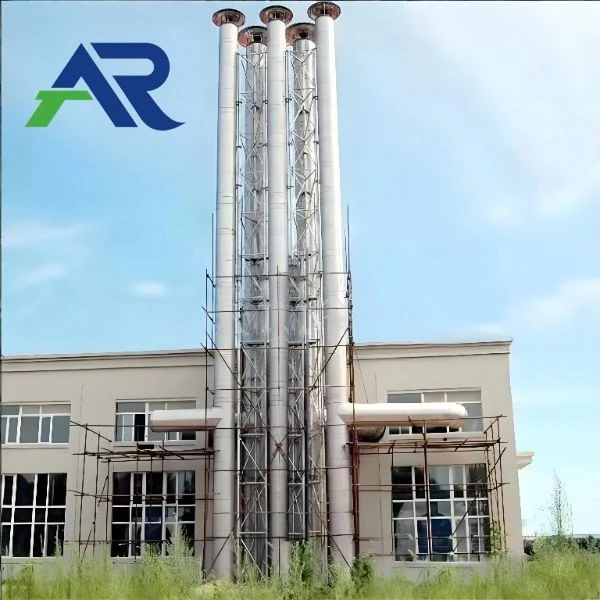

In addition to the physical space, you also need to consider the clearance requirements. A landscape chimney needs to be installed at a safe distance from any flammable materials, such as trees, shrubs, or wooden structures. This further limits the available space for installation and can be a challenge if your property has limited open areas.
Weather - related Issues
Weather can be a major problem for landscape chimneys. As mentioned earlier, exposure to the elements can cause damage to the chimney's structure. In areas with heavy snowfall, the weight of the snow on the chimney can put stress on the bricks or stones, leading to cracks or even collapse. Rain can also cause problems, especially if the chimney is not properly sealed. Water can seep into the chimney, causing the mortar to deteriorate and the interior of the chimney to become damp.
Extreme heat can also be an issue. In hot climates, the high temperatures can cause the materials in the chimney to expand and contract, which can lead to cracks over time. Additionally, strong winds can affect the chimney's stability, especially if it has a tall or narrow design.
Compatibility with Surroundings
While landscape chimneys are meant to enhance the beauty of your outdoor space, they might not always fit in with the surrounding environment. The style and color of the chimney need to complement the architecture of your home and the overall design of your yard. If you choose a chimney that is too large or too elaborate for your property, it can look out of place and actually detract from the aesthetic appeal.
For example, if you have a modern - style home with a minimalist landscape, a traditional - style landscape chimney with ornate details might not be the best choice. On the other hand, if you have a rustic cottage, a sleek and contemporary chimney might not fit in with the overall charm of the property.
Regulatory and Permit Issues
Installing a landscape chimney can be a hassle when it comes to regulatory and permit requirements. Local building codes and regulations vary from one area to another, and you'll need to make sure that your chimney meets all the necessary standards. This might involve getting a permit from the local authorities, which can be a time - consuming and bureaucratic process.
Some areas have strict rules regarding the height, location, and design of chimneys. For example, there might be restrictions on how close the chimney can be to your property line or to neighboring buildings. You'll also need to ensure that the chimney is installed by a qualified professional who is familiar with the local codes and regulations. Failure to comply with these rules can result in fines or even having to remove the chimney.
Despite all these disadvantages, landscape chimneys still have their appeal. They can add a touch of elegance and uniqueness to your outdoor space. If you're willing to invest the time, money, and effort into maintaining and dealing with the potential issues, a landscape chimney can be a great addition to your home.
If you're still interested in learning more about landscape chimneys or other types of chimneys, you can check out these links: Transmission Line Tower, Double - layer Insulation Chimney, and Landscape Chimney.
If you're thinking about purchasing a landscape chimney and want to discuss your options further, feel free to reach out. We're here to answer all your questions and help you make the best decision for your home.
References
- "Chimney Safety and Maintenance Guide" by the National Fire Protection Association
- "Outdoor Living Spaces: Design and Construction" by a well - known landscape architecture firm