

A double - layer insulation chimney is a remarkable innovation in the field of ventilation and heating systems. As a supplier of double - layer insulation chimneys, I have witnessed firsthand how this technology can significantly impact the air circulation in a room. In this blog, I will delve into the scientific principles behind it and explore its various effects on indoor air quality.
The Basics of a Double - Layer Insulation Chimney
A double - layer insulation chimney consists of two concentric pipes. The inner pipe is where the hot flue gases from a heating appliance, such as a fireplace or a boiler, pass through. The outer pipe, on the other hand, serves as an insulating layer. This design creates a buffer zone between the hot inner pipe and the surrounding environment, which has several important implications for air circulation.
One of the key features of a double - layer insulation chimney is its ability to maintain a relatively stable temperature gradient. The insulation layer reduces heat loss from the inner pipe, ensuring that the flue gases remain hot as they rise through the chimney. This is crucial because hot air rises, and the buoyancy force created by the hot flue gases is what drives the natural draft in the chimney.
How It Affects Air Circulation
Creation of a Natural Draft
The natural draft is the primary mechanism by which a chimney facilitates air circulation. When the flue gases in the inner pipe of the double - layer insulation chimney are heated, they become less dense than the surrounding air. This causes them to rise, creating a low - pressure area at the base of the chimney. As a result, fresh air is drawn into the room from the outside through any available openings, such as windows or vents. This continuous flow of air from the outside to the inside of the room and then up the chimney is what we refer to as air circulation.
The double - layer insulation helps to enhance the natural draft. By minimizing heat loss, the flue gases can maintain a higher temperature and thus a greater buoyancy force. This means that the draft is stronger, and more air can be drawn into the room. A stronger draft also helps to prevent the backflow of flue gases into the room, which is a serious safety hazard.
Improved Indoor Air Quality
Proper air circulation is essential for maintaining good indoor air quality. Stale air, which may contain pollutants such as carbon monoxide, particulate matter, and volatile organic compounds (VOCs), can accumulate in a room if there is insufficient ventilation. A double - layer insulation chimney helps to remove this stale air from the room and replace it with fresh outdoor air.
The continuous flow of fresh air dilutes the concentration of pollutants in the room. For example, carbon monoxide, a colorless and odorless gas that can be produced by incomplete combustion in a heating appliance, is carried up the chimney and expelled outside. This reduces the risk of carbon monoxide poisoning, which can be fatal.
In addition, the movement of air helps to distribute heat evenly throughout the room. This means that there are no cold spots or areas of poor ventilation, which can contribute to the growth of mold and mildew. Mold and mildew can release spores into the air, which can cause respiratory problems and allergic reactions.
Impact on Room Temperature
The air circulation created by a double - layer insulation chimney can also have an impact on the room temperature. As fresh air is drawn into the room, it can bring in heat from the outside or help to cool the room, depending on the outdoor temperature.
In the winter, the warm air from the heating appliance is more effectively distributed throughout the room due to the improved air circulation. The chimney helps to create a convection current, where warm air rises from the heating source, moves along the ceiling, and then descends along the walls. This continuous movement of air ensures that the entire room is heated evenly.
In the summer, if the heating appliance is not in use, the chimney can still facilitate air circulation. The natural draft can draw in cooler outdoor air, which can help to lower the room temperature. This can be a cost - effective way to cool a room without relying solely on air conditioning.
Comparing with Other Types of Chimneys
Corrugated Pipe Chimney
Corrugated pipe chimneys are often used in some applications due to their flexibility and ease of installation. However, they may not provide the same level of insulation as a double - layer insulation chimney. The corrugated design can cause heat loss through the walls of the pipe, which can weaken the natural draft. As a result, the air circulation in the room may not be as efficient, and there may be a higher risk of backflow of flue gases.
Factory Built Chimney
Factory built chimneys are pre - fabricated and offer a convenient solution for many installations. While they can provide a certain degree of insulation, the double - layer insulation chimney typically offers better thermal performance. The double - layer design provides an extra layer of protection against heat loss, which can lead to a stronger draft and more effective air circulation.
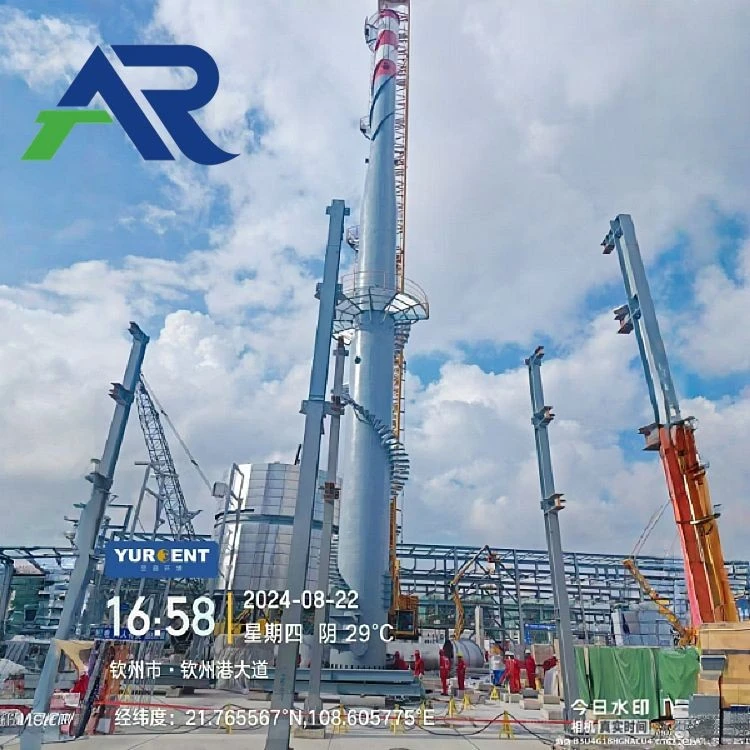

Victorian Factory Chimneys
Victorian factory chimneys are often large and have a historical charm. However, they may not be as energy - efficient as modern double - layer insulation chimneys. These older chimneys may have poor insulation, which can result in significant heat loss and a weaker draft. This can lead to inefficient air circulation and higher energy consumption.
Considerations for Installation and Maintenance
Installation
Proper installation of a double - layer insulation chimney is crucial for its optimal performance. The chimney must be installed in accordance with local building codes and manufacturer's instructions. It should be properly aligned and sealed to prevent air leaks. Any gaps or cracks in the chimney can reduce the efficiency of the natural draft and allow flue gases to escape into the room.
The location of the chimney is also important. It should be installed in a way that allows for easy access to fresh air intake and proper venting of flue gases. For example, it should not be blocked by any obstructions, such as trees or buildings.
Maintenance
Regular maintenance is necessary to ensure that the double - layer insulation chimney continues to function properly. This includes inspecting the chimney for any signs of damage, such as cracks or corrosion, and cleaning it to remove any soot or debris that may accumulate over time. A dirty chimney can restrict the flow of flue gases and reduce the efficiency of the natural draft.
It is also important to check the insulation layer periodically. If the insulation is damaged or deteriorated, it can affect the thermal performance of the chimney and lead to a weaker draft.
Conclusion
A double - layer insulation chimney is a valuable addition to any room with a heating appliance. It enhances air circulation by creating a strong natural draft, improves indoor air quality, and helps to regulate room temperature. Compared to other types of chimneys, it offers better thermal performance and energy efficiency.
If you are interested in improving the air circulation in your room and ensuring the safety and comfort of your living or working environment, a double - layer insulation chimney is an excellent choice. As a supplier of double - layer insulation chimneys, I am committed to providing high - quality products and professional advice. If you have any questions or would like to discuss your specific needs, please feel free to contact me for a purchase consultation.
References
- "Chimney Design and Installation Guide" - National Fire Protection Association
- "Indoor Air Quality: Principles and Practice" - John W. Murphy
- "Thermodynamics of Building Systems" - ASHRAE Handbook