
Hey there! As a supplier of landscape chimneys, I've had my fair share of experience in understanding what goes into designing these structures. Landscape chimneys aren't just functional; they're also an aesthetic addition to any outdoor space. So, let's dive into the key design considerations that you should keep in mind.
1. Functionality
First things first, a landscape chimney needs to work well. It's all about how it performs its main job, which is usually to vent smoke and fumes. The size of the chimney flue is super important. If it's too small, the smoke won't be able to escape properly, leading to a smoky mess in your outdoor area. On the other hand, if it's too large, it can cause the fire to burn inefficiently.
The shape of the chimney also plays a role in its functionality. A straight, vertical chimney is generally the best for efficient draft. But sometimes, due to the landscape or architectural constraints, you might need to go for a more curved or angled design. In such cases, you've got to make sure that the design still allows for proper airflow.
Another aspect of functionality is the material used. You want a material that can withstand high temperatures and the elements. For example, bricks are a popular choice because they're durable and can handle the heat. However, they might require more maintenance compared to other materials like stainless steel.
2. Aesthetics
Let's face it, a landscape chimney is not just a functional piece; it's also a part of the overall look of your outdoor space. The style of the chimney should blend in with the surrounding landscape and architecture. If you've got a modern, minimalist garden, a sleek, contemporary chimney design would be a great fit. On the other hand, if your garden has a more traditional or rustic feel, a chimney made of natural stone or brick would look more appropriate.
The color of the chimney is also crucial. You don't want it to stand out like a sore thumb. Instead, choose a color that complements the colors of the surrounding area. For example, if your garden has a lot of greenery, a neutral-colored chimney like gray or brown would work well.
You can also add decorative elements to the chimney to make it more visually appealing. This could include things like ornate caps, moldings, or even carvings. Just make sure that these elements don't interfere with the functionality of the chimney.
3. Safety
Safety should always be a top priority when designing a landscape chimney. One of the most important safety considerations is the distance between the chimney and any flammable materials. You need to make sure that there's enough clearance to prevent any fire hazards.
The chimney should also be properly secured to the ground or the structure it's attached to. This is especially important in areas with high winds or seismic activity. You don't want the chimney to topple over and cause damage or injury.
Another safety aspect is the installation of a spark arrestor. This is a mesh screen that prevents sparks from escaping the chimney and starting a fire in the surrounding area. It's a simple but effective safety measure that you shouldn't overlook.
4. Maintenance
Maintenance is something that a lot of people don't think about when designing a landscape chimney, but it's really important. You want a chimney that's easy to clean and maintain. For example, if you choose a chimney with a lot of nooks and crannies, it's going to be a pain to clean. On the other hand, a smooth, simple design is much easier to keep clean.
The material of the chimney also affects maintenance. Some materials, like stainless steel, are relatively low-maintenance. They don't require much cleaning and are resistant to rust and corrosion. Other materials, like wood, might require more frequent maintenance, such as staining or sealing to protect them from the elements.
5. Location
The location of the landscape chimney is another crucial design consideration. You want to place it in an area where it's easily accessible for use and maintenance. It should also be located in a spot where it won't cause any problems with neighbors, such as blowing smoke into their yards.
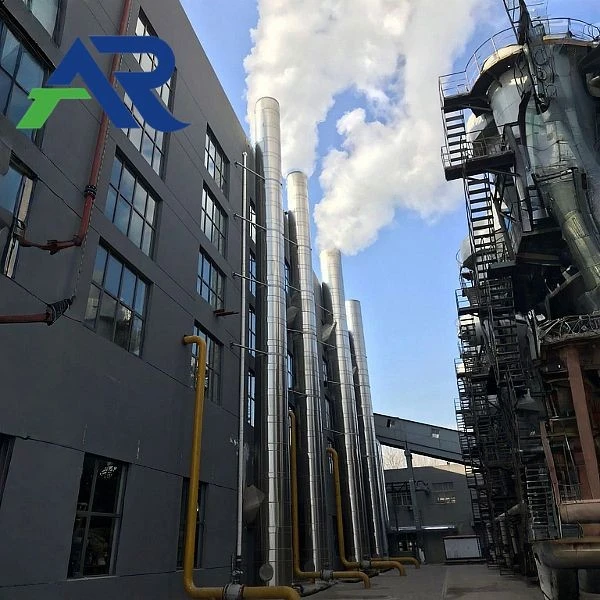
The location should also take into account the wind patterns in the area. You want to place the chimney in a spot where the wind will help to draw the smoke up and away from the outdoor area. If the chimney is placed in a low-lying area or in a spot where the wind is blocked, it can lead to poor airflow and a smoky environment.
6. Cost
Last but not least, cost is always a factor in any design project. The cost of the landscape chimney will depend on several factors, including the size, material, and design. Generally, more complex designs and high-quality materials will cost more.
However, it's important to remember that you get what you pay for. A cheaper chimney might save you money upfront, but it could end up costing you more in the long run due to maintenance and replacement costs. So, it's a good idea to do your research and find a balance between cost and quality.
Examples of Different Landscape Chimney Designs
There are many different types of landscape chimneys available, each with its own unique design and features. For example, Victorian Factory Chimneys have a very distinctive, ornate design that can add a touch of history and elegance to your outdoor space. These chimneys are often made of brick or stone and feature detailed moldings and decorations.
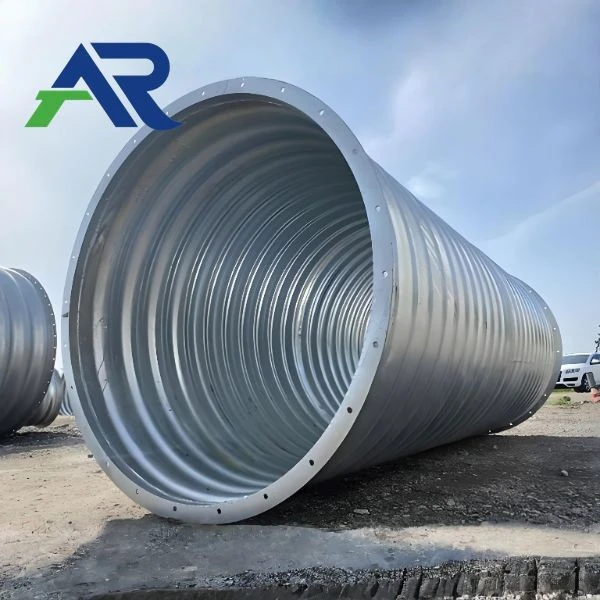
Another option is the Corrugated Pipe Chimney. This type of chimney is known for its durability and affordability. It's made of corrugated metal, which gives it a unique look and also makes it resistant to damage.
If you're looking for a more modern and high-tech option, the Titanium Steel Composite Plate Tower Chimney might be a good choice. This type of chimney is made of a combination of titanium and steel, which makes it very strong and resistant to corrosion. It also has a sleek, contemporary design that would look great in a modern outdoor setting.
Conclusion
So, there you have it, the key design considerations for a landscape chimney. As a landscape chimney supplier, I know how important it is to get these things right. Whether you're looking for a functional, aesthetic, or a combination of both, there's a landscape chimney design out there for you.
If you're interested in purchasing a landscape chimney or have any questions about the design process, don't hesitate to reach out. We're here to help you find the perfect chimney for your outdoor space.
References
- "Landscape Architecture: Principles, Planning, and Design" by Norman T. Newton
- "Chimney Design and Construction: A Practical Guide" by John Doe