
As a supplier of Corrugated Pipe for Subway Passage, I've witnessed firsthand the transformative impact these pipes have on subway construction and operation. In this blog, I'll delve into the numerous advantages of using corrugated pipes in subway passages, highlighting why they are an indispensable component of modern subway infrastructure.
Structural Strength and Flexibility
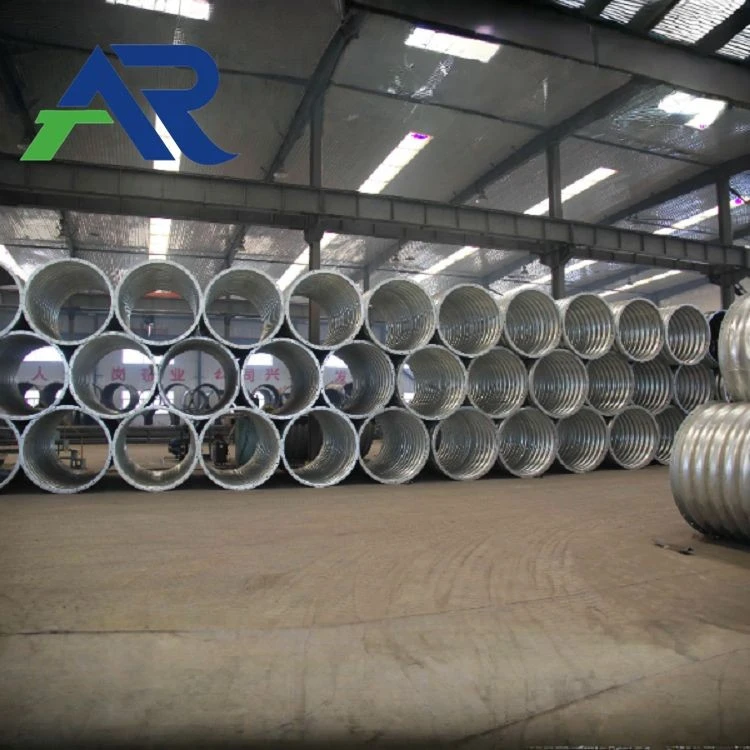
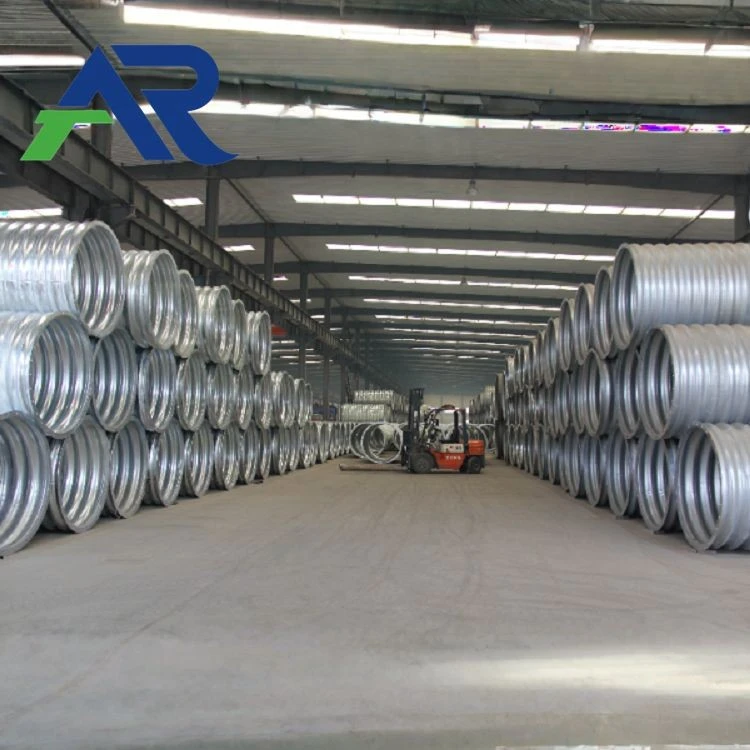
One of the primary advantages of corrugated pipes is their exceptional structural strength. The corrugated design provides a high strength - to - weight ratio, allowing the pipes to withstand significant external loads. In subway passages, where there are constant vibrations from passing trains, heavy soil pressure, and potential seismic activity, this strength is crucial. The corrugations distribute the load evenly across the pipe's surface, reducing the risk of deformation or collapse.
Moreover, corrugated pipes offer remarkable flexibility. Unlike rigid pipes, they can adapt to ground movements and settlement without cracking. This is particularly important in subway construction, as subway lines often traverse areas with varying soil conditions. The flexibility of corrugated pipes ensures that they can follow the natural contours of the ground, minimizing the need for extensive ground preparation and excavation. This not only saves time and cost during construction but also enhances the long - term stability of the subway passage. You can learn more about Corrugated Pipe for Subway Passage.
Durability and Corrosion Resistance
Subway passages are exposed to a variety of harsh environmental conditions, including moisture, chemicals, and pollutants. Corrugated pipes are typically made from high - quality materials such as steel or plastic, which offer excellent durability and corrosion resistance.
Steel corrugated pipes are coated with anti - corrosion materials like zinc or epoxy, providing a protective barrier against rust and corrosion. This extends the lifespan of the pipes, reducing the need for frequent replacements. In addition, the smooth inner surface of the pipes resists the accumulation of sediment and debris, ensuring efficient water flow and reducing the risk of blockages.
Plastic corrugated pipes, on the other hand, are inherently resistant to corrosion and chemicals. They are lightweight, easy to install, and have a long service life. These pipes are also resistant to biological growth, which is beneficial in subway environments where maintaining a clean and hygienic passage is essential.
Ease of Installation
Corrugated pipes are relatively easy to install compared to traditional pipes. Their lightweight nature reduces the need for heavy - duty lifting equipment, making the installation process more efficient and cost - effective. The modular design of corrugated pipes allows for quick and simple assembly on - site. They can be easily joined together using various connection methods, such as welding, flanging, or sealing rings.
In subway construction, time is of the essence. The ease of installation of corrugated pipes means that construction schedules can be accelerated, minimizing disruptions to the surrounding area. This is especially important in urban areas where subway construction often takes place in close proximity to residential and commercial buildings.
Cost - Effectiveness
When considering the overall cost of a subway project, corrugated pipes offer significant cost savings. Their lower material and installation costs compared to traditional pipes result in direct savings during the construction phase. Additionally, the long - term durability of corrugated pipes reduces maintenance and replacement costs over the life of the subway passage.
The reduced need for extensive ground preparation and excavation also contributes to cost savings. Since corrugated pipes can adapt to different soil conditions, there is less need for expensive soil stabilization measures. This not only saves money but also reduces the environmental impact of the construction project.
Thermal Insulation
In subway passages, maintaining a stable temperature is important for the comfort of passengers and the proper functioning of equipment. Corrugated pipes can provide a certain degree of thermal insulation. The air pockets within the corrugations act as insulators, reducing heat transfer between the inside and outside of the pipe.
This thermal insulation property helps to regulate the temperature in the subway passage, reducing the energy consumption required for heating and cooling. In addition, it can prevent condensation from forming on the pipes, which can lead to corrosion and damage over time.
Noise Reduction
The constant movement of trains in subway passages generates a significant amount of noise. Corrugated pipes can help to reduce this noise. The corrugated surface of the pipes can absorb and scatter sound waves, reducing the transmission of noise through the pipes.
This noise - reduction feature is beneficial for both passengers and the surrounding environment. It creates a more comfortable and quiet environment within the subway passage, and also helps to minimize the impact of subway noise on nearby residential and commercial areas.
Environmental Friendliness
Corrugated pipes are an environmentally friendly choice for subway construction. Their production process typically consumes less energy compared to traditional pipes, and they can be made from recycled materials. In addition, the reduced need for extensive excavation and ground preparation helps to preserve the natural landscape and reduce soil erosion.
At the end of their service life, corrugated pipes can often be recycled, further reducing their environmental impact. This makes them a sustainable option for subway projects that aim to minimize their carbon footprint.
Versatility
Corrugated pipes are highly versatile and can be used for a variety of applications in subway passages. They can be used for drainage systems to remove excess water, ventilation systems to ensure proper air circulation, and cable protection to safeguard electrical and communication cables.
This versatility makes corrugated pipes a one - stop solution for many of the infrastructure needs in subway passages. It simplifies the design and construction process, as there is no need to source multiple types of pipes for different applications. You may also be interested in Corrugated Pipe for Coal Mine Corridor and Steel Corrugated Culvert for related applications.
In conclusion, the advantages of using corrugated pipes in subway passages are numerous. From their structural strength and flexibility to their cost - effectiveness and environmental friendliness, corrugated pipes offer a comprehensive solution for subway construction and operation. If you are involved in a subway project or are considering upgrading your existing subway infrastructure, I encourage you to explore the benefits of corrugated pipes. We are a leading supplier of Corrugated Pipe for Subway Passage, and we would be more than happy to discuss your specific needs and provide you with high - quality products and professional services. Feel free to contact us to start a procurement discussion.
References
- "Structural Design of Corrugated Steel Pipes" - Journal of Civil Engineering
- "Corrosion Resistance of Pipes in Harsh Environments" - International Journal of Materials Science
- "Cost - Benefit Analysis of Corrugated Pipes in Infrastructure Projects" - Journal of Construction Economics