
Corrugated steel culverts are widely used in various infrastructure projects due to their flexibility, durability, and ease of installation. However, these culverts are often exposed to harsh environmental conditions, which can lead to corrosion. Corrosion not only reduces the lifespan of the culverts but also compromises their structural integrity, posing potential safety risks. As a professional corrugated steel culvert supplier, we understand the importance of corrosion protection and have extensive experience in implementing effective protection methods. In this blog, we will explore the common corrosion protection methods for corrugated steel culverts.
Understanding Corrosion in Corrugated Steel Culverts
Before delving into the protection methods, it's essential to understand the corrosion process. Corrosion of corrugated steel culverts is an electrochemical reaction that occurs when steel comes into contact with moisture, oxygen, and other corrosive substances. The presence of salts, acids, or alkalis in the environment can accelerate this process. For instance, in coastal areas, the high salt content in the air and soil can significantly increase the corrosion rate. In industrial areas, pollutants such as sulfur dioxide can react with moisture to form acidic compounds, which are highly corrosive to steel.
Galvanization
Galvanization is one of the most widely used corrosion protection methods for corrugated steel culverts. It involves coating the steel with a layer of zinc, which acts as a sacrificial anode. When the zinc coating is exposed to the environment, it corrodes preferentially to the steel, protecting the underlying steel from corrosion. There are two main types of galvanization: hot-dip galvanizing and electro-galvanizing.
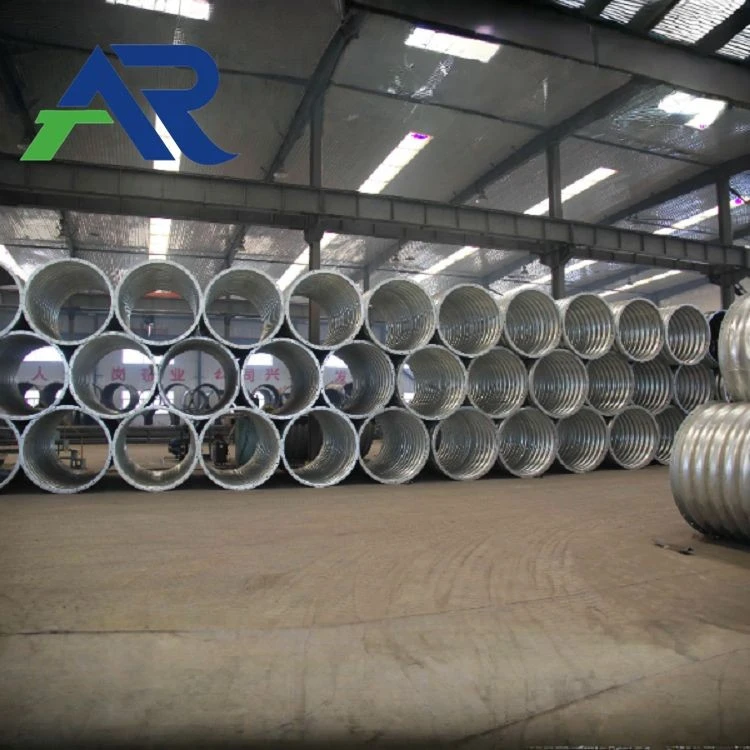
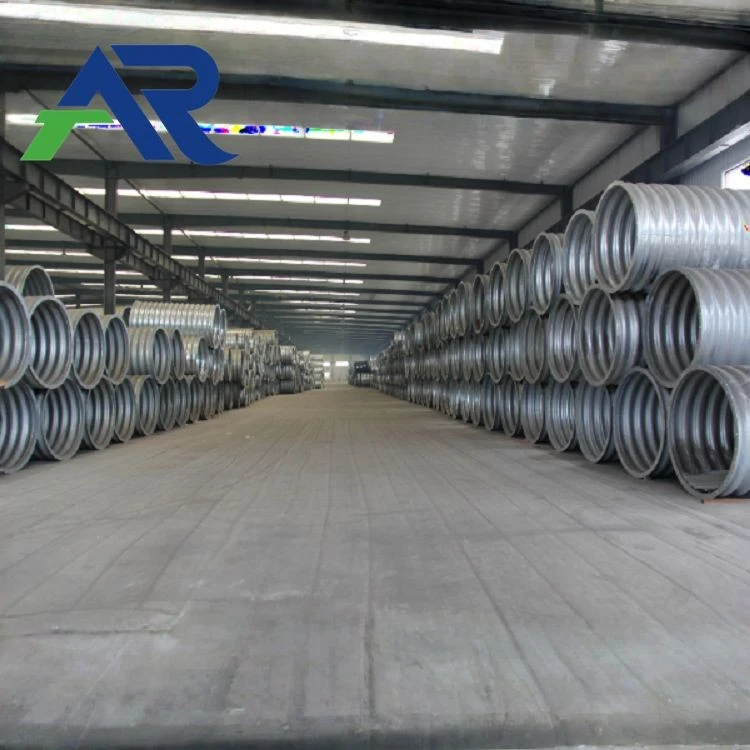
Hot-dip galvanizing is a process in which the steel is immersed in a bath of molten zinc at a temperature of around 450°C. This results in a thick and durable zinc coating that provides long-term corrosion protection. The zinc coating forms a metallurgical bond with the steel, ensuring excellent adhesion. Hot-dip galvanized corrugated steel culverts are suitable for a wide range of applications, including highway drainage, railway culverts, and water conservancy projects.
Electro-galvanizing, on the other hand, involves depositing a thin layer of zinc onto the steel surface through an electrochemical process. This method is typically used for applications where a thinner coating is required or where the culverts will be exposed to less severe corrosion conditions. Electro-galvanized culverts are often used in residential and small-scale commercial projects.
Organic Coatings
Organic coatings are another popular option for corrosion protection. These coatings can provide a barrier between the steel and the corrosive environment, preventing moisture and oxygen from reaching the steel surface. There are several types of organic coatings available, including epoxy coatings, polyurethane coatings, and acrylic coatings.
Epoxy coatings are known for their excellent adhesion, chemical resistance, and durability. They can be applied in multiple layers to provide a thick and protective coating. Epoxy-coated corrugated steel culverts are commonly used in harsh environments, such as wastewater treatment plants and chemical processing facilities.
Polyurethane coatings offer good flexibility and abrasion resistance. They are often used in applications where the culverts may be subjected to mechanical stress or where a high-gloss finish is desired. Polyurethane-coated culverts are suitable for both indoor and outdoor applications.
Acrylic coatings are lightweight and have good weather resistance. They are commonly used for decorative purposes or in applications where a quick-drying coating is required. Acrylic-coated corrugated steel culverts are often used in architectural and landscaping projects.
Cathodic Protection
Cathodic protection is a technique that involves applying an external electrical current to the steel to prevent corrosion. There are two main types of cathodic protection: sacrificial anode cathodic protection and impressed current cathodic protection.
Sacrificial anode cathodic protection involves attaching a more active metal, such as magnesium or aluminum, to the steel culvert. The more active metal acts as a sacrificial anode, corroding in place of the steel. This method is relatively simple and cost-effective, but it has a limited lifespan and may require periodic replacement of the sacrificial anodes.
Impressed current cathodic protection involves using an external power source to apply a direct electrical current to the steel culvert. This method can provide more precise control over the protection level and is suitable for large-scale or high-risk applications. However, it requires more complex installation and maintenance.
Concrete Encasement
Concrete encasement is a physical protection method that involves surrounding the corrugated steel culvert with a layer of concrete. The concrete provides a physical barrier between the steel and the corrosive environment, preventing moisture and oxygen from reaching the steel surface. In addition, the alkaline nature of the concrete can passivate the steel, further enhancing its corrosion resistance.
Concrete encasement is commonly used in applications where the culverts are buried underground or where they will be exposed to aggressive soil conditions. It can also provide additional structural support to the culvert, increasing its load-bearing capacity. However, concrete encasement requires careful design and construction to ensure proper bonding between the steel and the concrete and to prevent cracking or spalling of the concrete.
Selection of Corrosion Protection Method
The selection of the appropriate corrosion protection method depends on several factors, including the environmental conditions, the expected service life of the culvert, the budget, and the specific application requirements. For example, in a coastal area with high salt content, hot-dip galvanization or a combination of galvanization and organic coatings may be the most suitable option. In a wastewater treatment plant, epoxy coatings or cathodic protection may be required to ensure long-term corrosion resistance.
As a corrugated steel culvert supplier, we have the expertise and experience to help our customers select the most appropriate corrosion protection method for their specific needs. We can provide detailed technical advice and support throughout the project, from design to installation.
Our Products and Services
We offer a wide range of corrugated steel culverts with different corrosion protection options. Our products are manufactured using high-quality steel and advanced production techniques to ensure excellent performance and durability. We also provide customized solutions to meet the specific requirements of our customers.
In addition to supplying corrugated steel culverts, we also offer installation services and after-sales support. Our professional installation team has extensive experience in installing corrugated steel culverts in various environments, ensuring a safe and efficient installation process. We also provide regular maintenance and inspection services to ensure the long-term performance of our products.
If you are interested in our corrugated steel culverts or need more information about corrosion protection methods, please feel free to contact us. We are committed to providing our customers with the highest quality products and services and look forward to working with you on your next project.
Conclusion
Corrosion is a major concern for corrugated steel culverts, but with the right corrosion protection methods, their lifespan and performance can be significantly extended. Galvanization, organic coatings, cathodic protection, and concrete encasement are all effective ways to protect corrugated steel culverts from corrosion. As a [Your Company Position] at a leading corrugated steel culvert supplier, I encourage you to reach out to us for more information on these protection methods and how they can be tailored to your specific project needs. Whether you're working on a Corrugated Pipe for Subway Passage, Corrugated Pipe for Coal Mine Corridor, or Bridge Culvert Steel Corrugated Culvert, we have the expertise and products to ensure your project's success. Contact us today to start the procurement and negotiation process.
References
- Fontana, M. G. (1986). Corrosion Engineering. McGraw-Hill.
- Uhlig, H. H., & Revie, R. W. (1985). Corrosion and Corrosion Control. Wiley-Interscience.
- ASTM International. (2019). Standards Related to Corrosion Protection of Steel Structures. ASTM.