

Hey there! I'm a supplier of Single Sleeve Chimneys, and today I wanna chat about how these bad boys work. It's gonna be a fun and easy - peasy ride through the ins and outs of single sleeve chimneys.
The Basics of a Single Sleeve Chimney
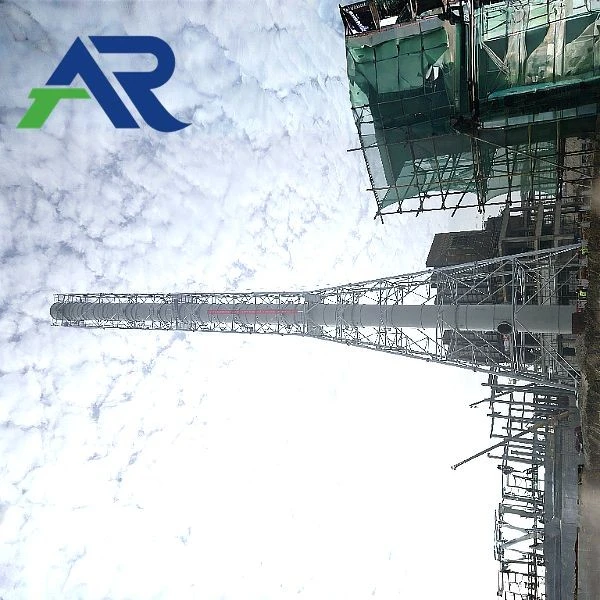
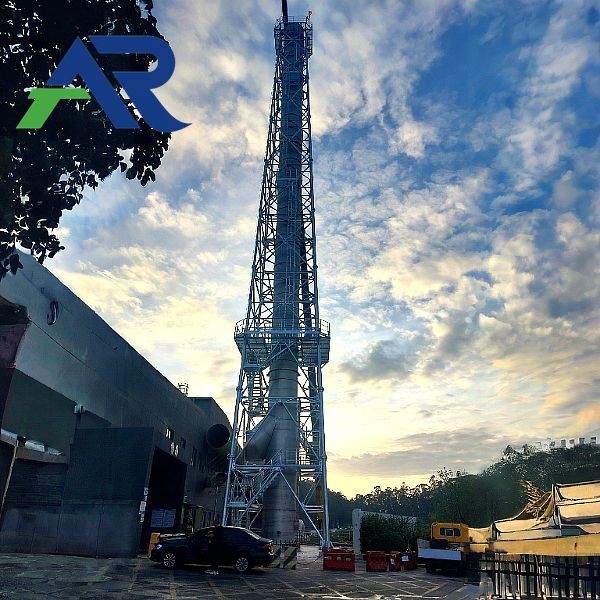
First off, let's get a clear picture of what a single sleeve chimney is. A single sleeve chimney, as the name suggests, has just one layer. It's a straightforward design compared to the Multi - sleeve Chimney, which has multiple layers. You can check out more about single sleeve chimneys on our Single Sleeve Chimney page.
These chimneys are commonly used in a variety of settings, from small industrial setups to some residential applications. They're known for being relatively simple to install and maintain, which makes them a popular choice for many.
How It Works: The Flow of Exhaust Gases
The main job of a single sleeve chimney is to get rid of exhaust gases from a combustion process, like in a furnace or a boiler. When fuel is burned, it creates hot gases that need to go somewhere. That's where the chimney steps in.
The process starts at the base of the chimney, where it's connected to the appliance. As the fuel burns, the hot exhaust gases are produced. These gases are less dense than the surrounding air, which means they naturally want to rise. This is called the stack effect.
The stack effect is the driving force behind the movement of exhaust gases in a single sleeve chimney. The hot gases rise up through the chimney because they're lighter than the cooler air outside. As they move up, they create a continuous flow. The chimney acts like a channel, guiding these gases safely out of the building and into the atmosphere.
Draft and Its Importance
A key concept in how a single sleeve chimney works is draft. Draft is the pressure difference that causes the exhaust gases to flow up the chimney. There are two types of draft: natural draft and forced draft.
Natural Draft
In most single sleeve chimneys, natural draft is the way to go. It relies on the temperature difference between the hot exhaust gases inside the chimney and the cooler outside air. The greater the temperature difference, the stronger the draft.
For example, on a cold winter day, the outside air is much colder than the exhaust gases in the chimney. This big temperature difference creates a strong natural draft, which helps the exhaust gases rise quickly and efficiently.
Forced Draft
Sometimes, though, natural draft might not be enough. In larger industrial applications or in situations where the chimney is short, a forced draft system might be used. This involves using a fan or a blower to push the exhaust gases up the chimney. It gives an extra boost to the flow of gases, ensuring that they're removed effectively.
Construction and Materials
The construction of a single sleeve chimney plays a big role in how well it works. The chimney needs to be strong enough to withstand the high temperatures of the exhaust gases and the elements outside.
Most single sleeve chimneys are made of materials like stainless steel. Stainless steel is a great choice because it's resistant to corrosion and can handle high temperatures. You can find more about Stainless Steel Factory Chimney on our website.
The design of the chimney also matters. It needs to be straight and have a smooth interior to allow the exhaust gases to flow easily. Any bends or rough spots can slow down the flow and reduce the efficiency of the chimney.
Safety Considerations
Safety is super important when it comes to single sleeve chimneys. Since they deal with hot exhaust gases, there's always a risk of fire if something goes wrong.
One of the main safety features is proper insulation. If the chimney is installed near combustible materials, it needs to be insulated to prevent heat transfer. This helps to keep the surrounding area cool and reduces the risk of a fire.
Another safety aspect is regular maintenance. The chimney should be inspected and cleaned regularly to remove any built - up soot or debris. If the chimney gets blocked, the exhaust gases can't flow properly, which can lead to a dangerous buildup of pressure inside the appliance.
Advantages of Single Sleeve Chimneys
Single sleeve chimneys have several advantages. First of all, they're cost - effective. Since they have a simple design with just one layer, they're usually cheaper to manufacture and install compared to multi - sleeve chimneys.
They're also easy to install. You don't need a lot of complex equipment or a big team of installers. This makes them a great option for small businesses or homeowners who want to get a chimney up and running quickly.
In addition, single sleeve chimneys are relatively easy to maintain. With regular cleaning and inspections, they can last for a long time without any major problems.
Disadvantages of Single Sleeve Chimneys
Of course, no chimney is perfect, and single sleeve chimneys have their drawbacks too. One of the main disadvantages is that they're not as efficient at insulating as multi - sleeve chimneys. This means that some heat can be lost through the chimney wall, which can reduce the overall efficiency of the heating system.
They also might not be suitable for all applications. In some cases, where there are strict environmental regulations or where the exhaust gases are particularly corrosive, a multi - sleeve chimney might be a better choice.
Conclusion
So, there you have it! That's how a single sleeve chimney works. It's all about using the stack effect to get rid of exhaust gases, with the help of draft and a well - designed construction.
If you're in the market for a single sleeve chimney, whether it's for your home or your business, we're here to help. We offer high - quality single sleeve chimneys that are built to last. Don't hesitate to reach out to us for more information or to start a procurement discussion. We're always happy to talk about how our chimneys can meet your needs.
References
- "Chimney Design and Installation Handbook" - A comprehensive guide on chimney systems.
- "Industrial Exhaust Systems" - A book that covers the principles of exhaust gas management in industrial settings.