
Installing corrugated pipes in subway passages, especially in a windy environment, can be a real challenge. But hey, as a supplier of Corrugated Pipe for Subway Passage, I've got some insights to share with you on how to tackle this task effectively.
Pre - installation Considerations
First things first, you gotta understand the wind conditions in the area where the subway passage is located. Wind can mess up the installation process in multiple ways. High - speed winds can make it difficult to handle the pipes during lifting and positioning. So, before you even start, check the local weather forecast. You don't want to be out there in the middle of a gusty day trying to install these pipes.
Another important aspect is the site preparation. Clear the area of any debris or loose materials that the wind could pick up and cause damage to the pipes or pose a safety risk. Make sure the ground where the pipes will be installed is level and stable. Uneven ground can lead to improper alignment of the corrugated pipes, which is a big no - no.
Selecting the Right Corrugated Pipes
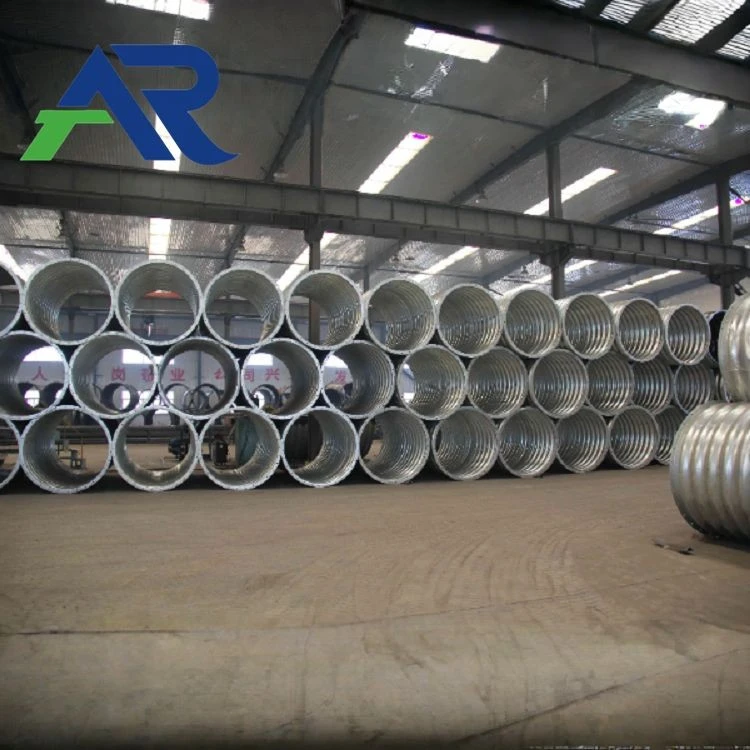
When it comes to choosing the corrugated pipes for subway passages in a windy environment, you need to be picky. Look for pipes with a high - strength design. Our corrugated pipes are engineered to withstand various environmental conditions, including windy situations. They have a unique corrugated structure that provides extra rigidity and durability.
The material of the pipes also matters. Steel corrugated pipes are a great option as they offer excellent strength and resistance to external forces. You can learn more about Steel Corrugated Culvert on our website. These pipes can handle the pressure exerted by the wind and prevent deformation during installation.
Installation Steps
Lifting and Positioning
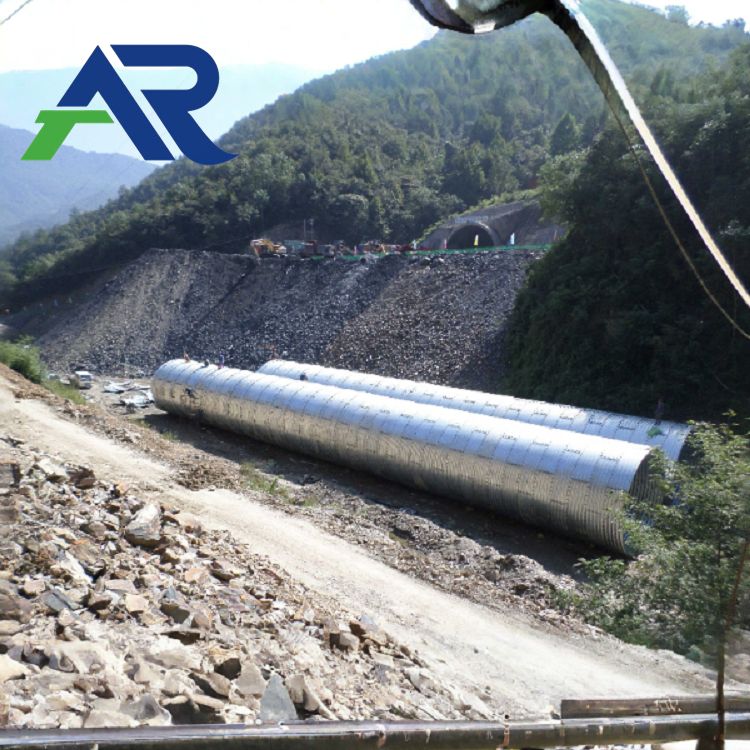
Lifting the corrugated pipes in a windy environment requires special attention. Use proper lifting equipment, like cranes with wind - resistant features. Make sure the lifting points on the pipes are well - defined and secure. When positioning the pipes, work quickly but carefully. The wind can push the pipes out of place, so have a team of workers ready to stabilize them as soon as they are in the general position.
Joining the Pipes
Joining the corrugated pipes is a crucial step. In a windy environment, you need to ensure that the joints are tight and secure. We recommend using mechanical joints or welding techniques, depending on the type of pipes. For example, our Steel Urban Underground Integrated Pipeline Corridor pipes can be joined using advanced welding methods that create a strong and leak - proof connection.
Securing the Pipes
Once the pipes are joined, it's time to secure them in place. Use anchors or brackets to fix the pipes to the ground or the subway passage structure. This will prevent the wind from causing any movement or displacement of the pipes over time. For added stability, you can also fill the surrounding area with backfill material, like gravel or sand.
Safety Measures
Safety should always be your top priority when installing corrugated pipes in a windy environment. Provide your workers with appropriate safety gear, such as hard hats, safety glasses, and harnesses. Make sure they are trained to work in windy conditions and are aware of the potential hazards.
Set up wind barriers around the installation site if possible. These barriers can reduce the wind speed in the immediate area and make the installation process safer and more manageable. Also, keep an eye on the weather throughout the installation process. If the wind speed increases to a dangerous level, stop the work and wait for the conditions to improve.
Post - installation Checks
After the installation is complete, conduct a thorough inspection of the corrugated pipes. Check for any signs of damage, such as dents or cracks, that may have occurred during the installation due to the wind. Make sure the joints are still tight and there are no leaks.
Test the functionality of the pipes. In a subway passage, the corrugated pipes are often used for drainage or utility purposes. Ensure that the water or other substances can flow through the pipes smoothly without any blockages.
Wind Tower Foundation Corrugated Outer Tube Considerations
If your subway passage project is in an area near wind towers, you might want to consider the Wind Tower Foundation Corrugated Outer Tube. These tubes can have an impact on the wind flow around the subway passage and vice versa. Make sure to coordinate with the wind tower project team to ensure that the installation of both the corrugated pipes in the subway passage and the wind tower foundation tubes is done in a way that minimizes any negative interactions.
Conclusion
Installing corrugated pipes in subway passages in a windy environment is definitely a complex task, but with the right approach, it can be done successfully. As a supplier of Corrugated Pipe for Subway Passage, we are committed to providing you with high - quality products and the knowledge you need to complete your project.
If you're interested in our corrugated pipes for your subway passage project, don't hesitate to reach out. We're here to assist you with all your procurement needs and can offer valuable advice on the installation process. Let's work together to ensure your project is a success!
References
- Engineering Handbook for Subway Infrastructure Installation
- Guidelines for Construction in Windy Environments